Banyule City Council
Better Score Energy Efficiency Upgrade Program
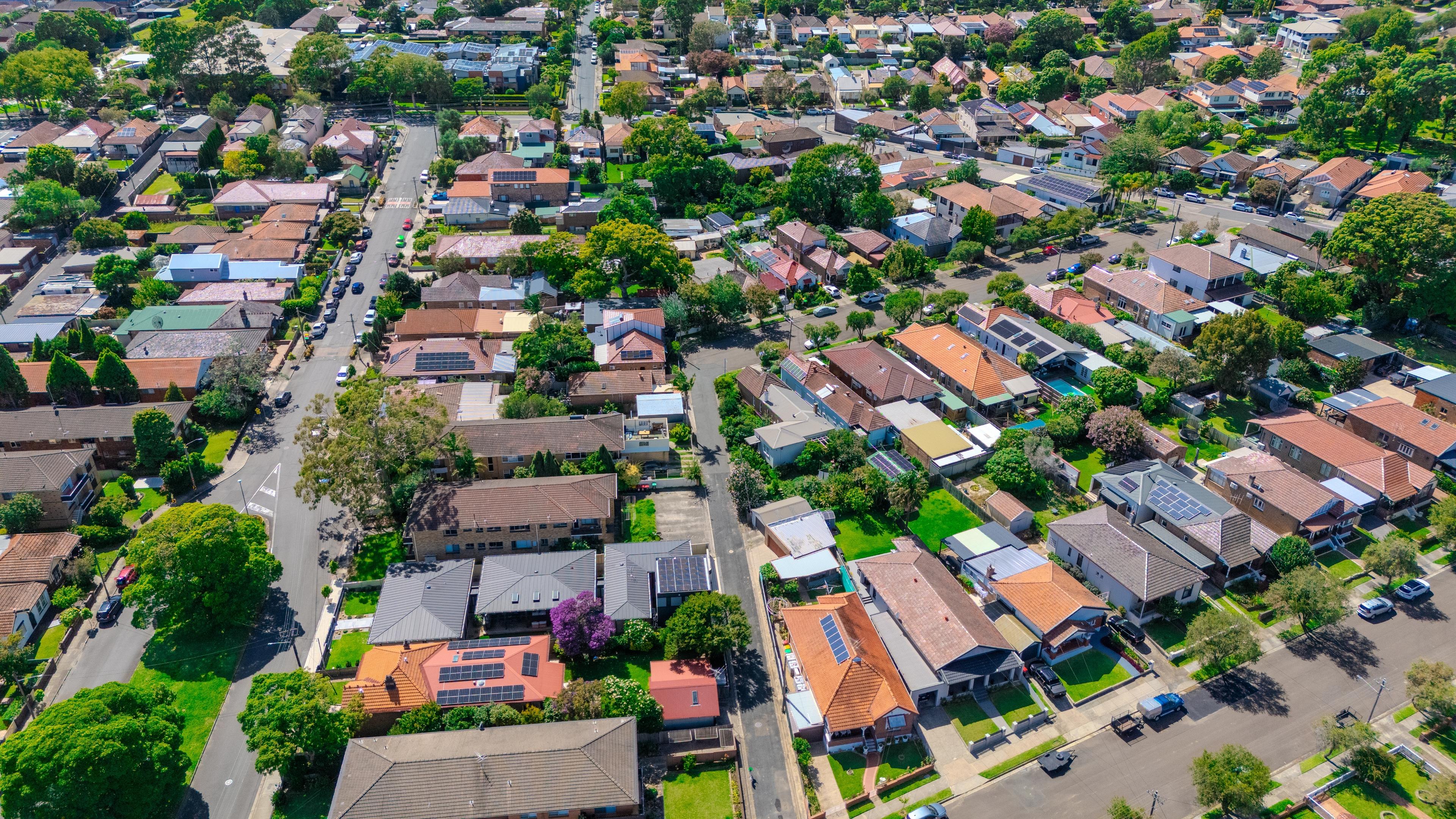
Council-run local home energy upgrade program launched in 2020 by Banyule City Council. Supports homeowners and renters in Banyule City by providing a subsidised home energy assessment and personalised upgrade plan, then reimbursing part of the cost of completed upgrades.
Involved in this program?
Let us know if anything on this page needs updating.
Contact
Name
Sushant Gurung
The Organisation
The Initiative
- 9 Nov 2020 (pilot)
- 2 Aug 2021 (current iteration)
- Householder
- Renter
- Detached single
- Townhouse
- Apartment
Short overview:
Banyule City Council's Better Score Energy Efficiency Upgrade Program provides households with a Victorian Residential Efficiency Scorecard assessment and a personalised report identifying priority upgrades. Over roughly six to nine months it offers ongoing advice to help residents plan and complete upgrades, increasingly emphasising electrification and prioritising cost-effective measures such as insulation and draught-proofing. After completing and paying for at least one recommended upgrade, households can claim a reimbursement grant of 60% of the cost, up to $1,000, and the program also helps residents access additional state and federal incentives.
Future intentions:
The program is funded through Banyule City Council's budget until 2030, but the current delivery model will need to change because access to the Victorian Residential Efficiency Scorecard assessment tool is expected to end at the conclusion of 2025–26. Council is preparing a report for senior leadership to determine future directions. Options under consideration include continuing without an assessment component and providing financial support only, replacing Scorecard with an alternative assessment approach, or refocusing on specific upgrades such as insulation, solar, or reverse-cycle air conditioning. No decision has been made, and the program is not expected to continue in its existing form beyond 2025–26.
Resourcing & Delivery Model
Funding Sources
- Public local authority budget
- Pilot allocation: approx. $50,000 in 2020.
- Current annual funding: $75,000.
- Start-to-finish support
Households receive two Scorecard assessments and an assessor report, must implement at least one upgrade identified in the assessment using licensed contractors, and complete a post-upgrade variation assessment. Funding is paid as reimbursement for completed works, with no advance payments. For 2025/26, oversubscribed rounds allocate places to successful applicants by ballot.
Partner Roles & Collaboration
- Energy assessors
- Suppliers/installers
Community Participation Modes
- Dissemination of information & education
- Joint implementation
Banyule City Council runs the program, setting the rules, funding the audit and grants, and providing a Community Energy Officer contact. Scorecard energy assessors conduct the required assessments and produce the recommendations and report used to determine eligible upgrades. Licensed contractors complete the upgrade works and provide the invoices and compliance certificates the program requires.
Actions & Upgrades
- Grants
- Home energy assessments*
- Online information
- Individual advice / consultation
- Solar PV
- Hot water heat pumps
- Reverse-cycle air conditioning
- Insulation
- Draught proofing
- Electric appliances
*Home energy assessments: 41 in 2021–22, 53 in 2022–23, 48 in 2023–24 and 61 in 2024–25. In 2025–26, 122 applications were received and 70 applicants were selected for funding; completed assessments are not yet confirmed.
**In 2024–25, 49 households completed at least one recommended upgrade.
Outcomes & Impact
- 2023–24: 133.5 tCO₂-e per annum
- 2024–25: 100.7 tCO₂-e per annum
Key Insights
Lessons Learned
- Personalised Scorecard assessments and reports improve households' understanding but do not guarantee they act on the recommendations.
- Decision paralysis is a persistent barrier, as the number, cost and sequencing of upgrades, particularly in older homes that need multiple improvements, can make the task feel like a large, long-term commitment and lead to inaction.
- Messaging that encourages staging upgrades over time helps but does not fully overcome residents' hesitation to begin.
- Upfront costs and the reimbursement-based funding model discourage participation, since households must pay first and claim back later.
- Only a minority of participants are intentionally pursuing full electrification, with some preferring to retain gas appliances for perceived reliability or resilience, and choices often shaped by short-term or emotional considerations such as familiarity, security or immediate affordability.
- Trusted, ongoing guidance is valued but hard to scale, and the absence of council-endorsed supplier pathways can slow decision-making and delivery.
Barriers
- Upfront costs are the main barrier: many households cannot pay for upgrades before claiming reimbursement, and this cash-flow constraint causes drop-off even after households are accepted into the program.
- Decision paralysis limits follow-through, as the number and cost of recommended upgrades, particularly in older homes, can overwhelm households and lead to inaction.
- Some residents perceive poor value for money from suggested suppliers, reporting that suppliers linked through the Solar Savers pathway are not price competitive in recent rounds.
Enablers
- More than five years of operation has built community recognition, familiarity and trust in the program.
- Word-of-mouth referrals support participation, as residents who complete upgrades encourage neighbours and family members to apply.
- Ongoing advisory support over several months, together with Scorecard assessments and personalised reports, helps households interpret their options, prioritise actions and progress toward upgrades.
Local Solutions
- Cost-of-living pressures in Banyule continue to shape engagement, with households spending less on energy upgrades than in earlier years.
- Seasonal and local trade availability affects delivery, particularly around Easter and the lead-up to winter when demand for heating and insulation rises.
- In response, council has extended upgrade completion deadlines to give residents more time to obtain quotes and access installers, though extending timeframes alone does not fully resolve trade availability, and local market conditions continue to affect completion rates.
Knowledge Sharing
- Knowledge sharing happens mainly through practical tools and informal conversations. Banyule City Council uses an “electrify everything” template originally developed by Merri-bek City Council and shared with other councils. Information is also shared through ongoing contact with accredited Scorecard assessors, who may follow up with residents after assessments to discuss upgrade options. Overall it relies on practical experience and professional relationships rather than formal reporting or structured inter-council programs.
Needs & Support Requirements
- Formalised peer-to-peer support through local energy champions, with mechanisms to identify and support knowledgeable residents, often with technical backgrounds, to assist other households and extend the program beyond council capacity.
- Stronger, formally coordinated community-led engagement models that operate alongside council delivery so that existing workshops and events can reach more households.
Data Collection & Sources
Data was collected over the period December 2025 – June 2026. Data collection involved desktop research and an interview with a program representative.
Information sources used:
- https://www.banyule.vic.gov.au/Waste-environment/Climate-action/Better-Score-grant (Better Score grant (program page))
- https://www.banyule.vic.gov.au/files/assets/public/v/5/about-us/grants/better-score-project-grant-guidelines.pdf (Better Score Energy Efficiency Upgrade Program – 2025/26 guidelines (PDF))
- https://www.banyule.vic.gov.au/files/assets/public/about-us/grants/better-score-grant-project-guidelines-2021-22.pdf (Better Score Energy Efficiency Upgrade Program – 2021/22 guidelines (PDF))
- https://www.banyule.vic.gov.au/files/assets/public/environment/state-of-evironment/2022/state-of-the-environment-report-2021-2022.pdf (State of the Environment Report 2021–2022 (PDF))
- https://www.banyule.vic.gov.au/files/assets/public/v/1/environment/state-of-evironment/state-of-the-environment-report-23-24.pdf (State of the Environment Report 2023–2024 (PDF))
- https://www.banyule.vic.gov.au/Waste-environment/Climate-action/State-of-the-environment (State of the Environment 2024–2025)
- https://www.homescorecard.gov.au/industry-hub/local-government-and-community-organisations (Scorecard website example listing)
Interview with program representative (conducted on 19/1/2026)