Brotherhood of St Laurence
Climate Safe Homes
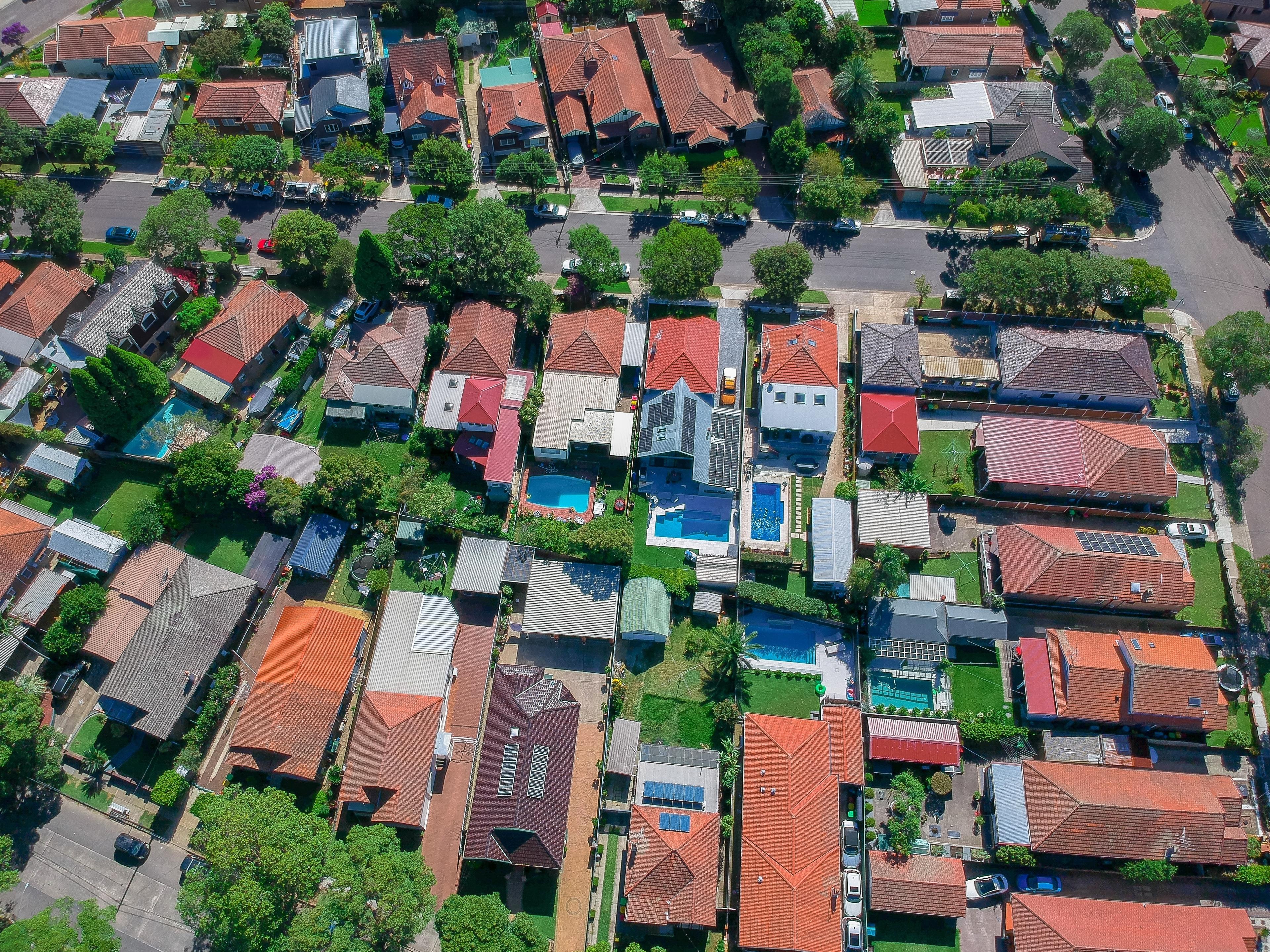
Community-led regional home retrofit and energy-advice program delivered by the Brotherhood of St Laurence. Supports low-income and health-affected households across Greater Melbourne by assessing homes, providing tailored advice, and organising and paying for upgrades directly.
Involved in this program?
Let us know if anything on this page needs updating.
Contact
Name
Victoria Johnson
The Organisation
The Initiative
- Householder
- Renter
- Low-income
- Concession card holders
- Detached single
- Townhouse
- Apartment
- Other(private rental housing)
Short overview:
Climate Safe Homes was a targeted home energy upgrade and advice pilot delivered by the Brotherhood of St Laurence from 2020 to 2025. It supported low-income households with a household member whose health condition was worsened by excessive heat or cold. The program combined home energy assessments, tailored advice and navigation support, assistance to access rebates and no-interest loans, and subsidised upgrades delivered through approved suppliers. Delivered upgrades included reverse-cycle air conditioning, solar PV and ceiling insulation. The pilot is complete and no longer accepts referrals.
Future intentions:
The completed pilot developed a service model that BSL considers scalable. BSL recommends that any future model retain a priority stream for low-income households with chronic health conditions or disability; use multiple recruitment channels; provide ongoing personalised navigation support; combine higher subsidies, full hardship funding and no-interest loans; broaden upgrade options to include weather sealing and selective battery support; and use trusted community organisations or local governments as delivery leads.
Resourcing & Delivery Model
Funding Sources
- Funds provided by philanthropy/donations
- Participant co-contributions (self-funded or arranged through external no-interest loan schemes)
- Direct upgrade delivery
The program used philanthropic funding to operate and worked with councils and community partners to identify eligible households, who were assessed, offered tailored upgrades, and had works organised and paid for by the program. Participants able to pay made a co-contribution, either self-funded or arranged through external no-interest loan schemes. Upgrades were delivered directly, with no cash grants to households.
Partner Roles & Collaboration
- Local government actors
- Community organisations
- Installers
- Other service providers
Community Participation Modes
- Consultation (workshop, surveys)
- Joint implementation
Brotherhood of St Laurence led and delivered Climate Safe Homes, including household eligibility assessment, tailored advice, navigation support, subsidy decisions and coordination of upgrades. Local government and community-sector partners supported local engagement, referrals and household participation. BSL short-listed trusted products and suppliers for the upgrades, and these pre-approved suppliers and installers delivered the reverse-cycle air conditioning, solar PV and insulation upgrades. Philanthropic funders supported the pilot financially. Climate Safe Homes supported eligible households to access external grants, rebates, concessions, utility-relief assistance and no-interest loans.
Actions & Upgrades
- Home energy assessments (past)
- Online information
- Individual advice / consultation (past)
- Product vetting (past)
- Supplier vetting (past)
- Support accessing other programs (past)
- Tailored support for vulnerable households (past)
Outcomes & Impact
Energy Bill Cost Savings (annual)
- 54% of participants reported reduced energy bills
- 52% worried less about energy costs.
- Solar upgrades produced estimated average annual bill savings of $1,000.
- Upgrades worth $928,657 were delivered. Households contributed $181,476 where they had capacity.
- For every $1 of philanthropic subsidy, CSH leveraged an additional $2.74 from partners, grants and subsidies.
- 89% reported improved indoor temperatures in the main living area.
- Summer comfort ratings increased from 37% to 78%, and winter comfort ratings from 51% to 74%.
- 80% reported maintained or improved health after upgrades.
- Improvements were reported in usual activities, mobility, pain/discomfort, sleep and energy levels.
Key Insights
Lessons Learned
- Recruiting through health practitioners was difficult, so participants were later recruited through energy providers.
Barriers
- Barriers to household upgrades included cost, complexity and lack of access to trustworthy suppliers.
- Recruitment through health practitioners faced practical barriers.
- Households without internet access required a significantly higher level of support.
Enablers
- BSL found ongoing, tailored support and advocacy critical for household engagement.
- The program linked households with pre-approved suppliers and supported access to available rebates, grants and no-interest loans.
- Households able to contribute paid toward upgrades, while upgrades were fully funded for households unable to contribute.
Local Solutions
- BSL used a priority matrix based on home energy efficiency, resident health and financial capacity to identify households experiencing overlapping health and energy hardship.
- Priority factors included no fixed heating or cooling, higher health needs, and dependent children, particularly where there was a sole parent.
- Support was tailored to individual circumstances through financial assistance, trusted supplier links, information and advocacy.
Knowledge Sharing
- BSL published the pilot findings as guidance for future service-delivery models.
- Insights from Climate Safe Homes informed advocacy, with partners, for minimum energy-efficiency standards for Victorian rental homes and an equity provision in the Victorian Energy Upgrades program.
Needs & Support Requirements
- Multiple recruitment channels and culturally appropriate engagement approaches.
- Ongoing personalised navigation support.
- Higher subsidies for low-income households, with full funding for severe and persistent hardship.
- Continued access to no-interest loans, public rebates and grants.
- Broader upgrade options, including weather sealing and selective battery support.
Data Collection & Sources
Data was collected over the period December 2025 – June 2026. Data collection involved desktop research.
Information sources used:
- https://www.bsl.org.au/research/our-research-and-policy-work/projects/climate-safe-homes-research/ (Brotherhood of St Laurence – Climate Safe Homes)
- https://www.bsl.org.au/testing-the-csh-model/ (Brotherhood of St Laurence – Testing and refining the model)
- https://www.bsl.org.au/households-in-need/ (Brotherhood of St Laurence – Prioritising households in need)
- https://www.bsl.org.au/engagement-and-delivery/ (Brotherhood of St Laurence – Engaging households and delivering upgrades)
- https://www.bsl.org.au/insights-for-a-future-model/ (Brotherhood of St Laurence – Insights for a future model)
- https://assets.bsl.org.au/assets/2024_CSH_Participant_FAQ.pdf (Brotherhood of St Laurence – Climate Safe Homes participant FAQ, 2024 (PDF))