City of Adelaide
Sustainability Incentives Scheme
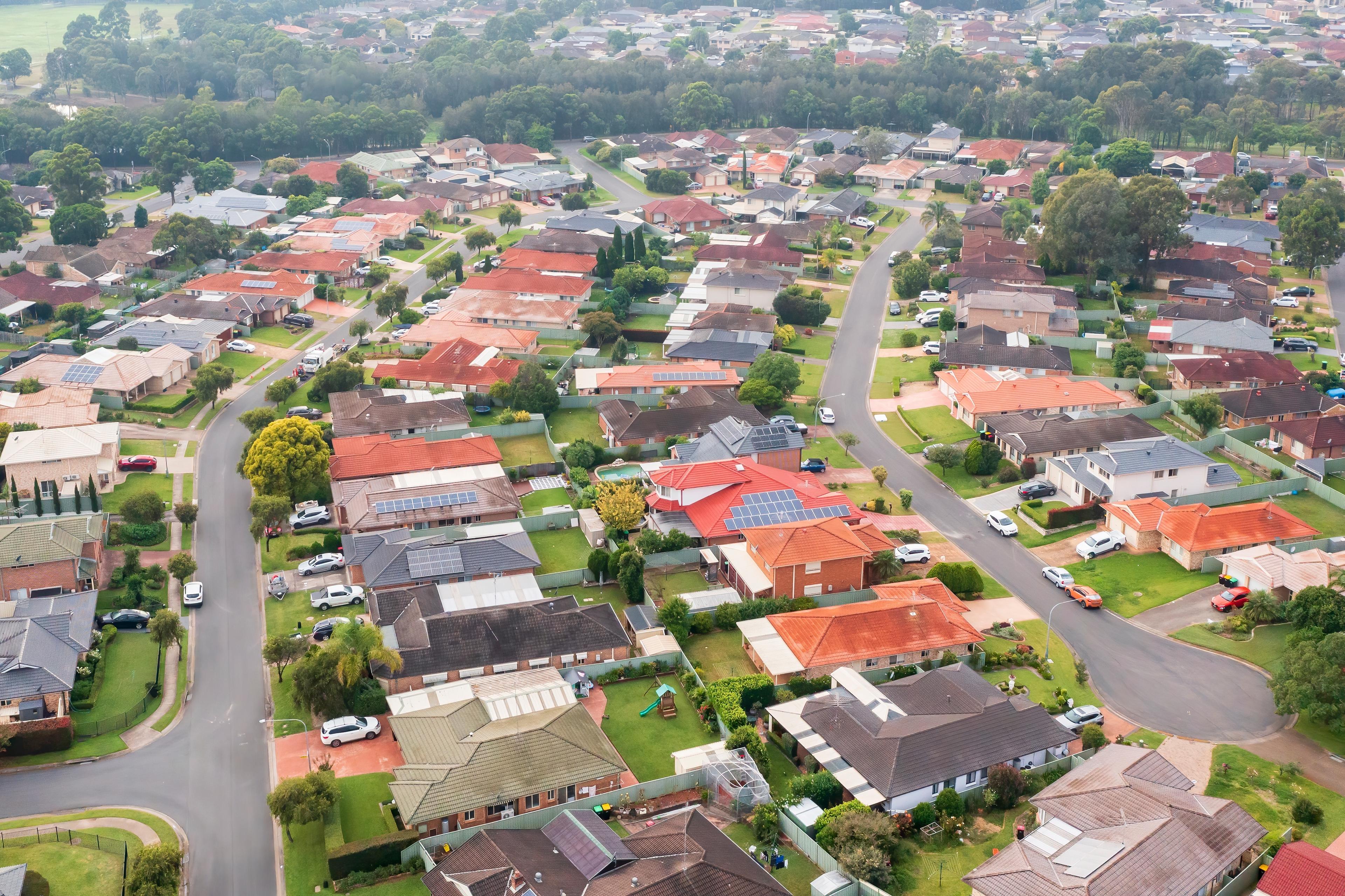
Council-run local home energy upgrade program launched in 2015 by the City of Adelaide. Supports households, businesses and community groups by offering cash-back rebates that reduce the out-of-pocket cost of sustainability upgrades made through approved installers.
Involved in this program?
Let us know if anything on this page needs updating.
Contact
Name
Ellie Gladman
The Organisation
The Initiative
- Householder
- Business
- Not-for-profit
- Detached single
- Townhouse
- Apartment
Short overview:
Council-run cash-back rebates and related support for residents, businesses and groups adopting sustainable technologies and practices. Residential rebates cover appliance electrification, replacing gas appliances with efficient electric or solar-powered alternatives, home energy and sustainability assessments (e.g. Residential Efficiency Scorecard rebate), solar PV, energy storage and EV charging, among other categories across the broader program. Applicants independently arrange eligible upgrades and submit evidence to Council to claim a rebate under published guidelines, caps and eligibility requirements.
Future intentions:
Subject to annual budget approval, the Sustainability Incentives Scheme is intended to continue as an ongoing City of Adelaide incentive program. No expansion has been confirmed; the scheme is reviewed annually to maintain alignment with Council priorities, technology developments, and relevant State and Federal incentives. The FY2025/26 allocation is fully committed, with the next funding round scheduled to reopen on 1 July 2026. The next programmed review of the Operating Guidelines is in 2029.
Resourcing & Delivery Model
Funding Sources
- Public local authority budget
- $226,000 in 2024/25, fully allocated by March 2025, and $233,000 in 2025/26 (whole-of-scheme budget; the household energy share is not shown separately)
- Rebates and reimbursements
Applicants arrange eligible upgrades themselves, then submit evidence to Council to claim a rebate under published guidelines, caps and eligibility requirements. Rebates apply to out-of-pocket costs after other incentives are deducted.
Partner Roles & Collaboration
- Suppliers/installers
- Energy assessors
- Finance providers
Community Participation Modes
- Dissemination of information & education
- Consultation (pre-application enquiries encouraged)
- Joint implementation (household/business undertakes upgrade and applies for rebate)
Council designs and administers the rebate categories, sets documentation and eligibility requirements, and reimburses eligible applicants. Households and businesses contract their own installers, suppliers and assessors, with assessments (e.g. scorecard) performed by eligible providers.
Actions & Upgrades
- Rebates
- Home energy assessments
- Online information
- Individual advice / consultation
- Support accessing other programs
Outcomes & Impact
Economic Value Creation
- $1.6 million distributed through 729 Sustainability Incentives Scheme rebates between 2015 and June 2023.
- Approximately $9.4 million in private investment leveraged over the same period.
- Figures are SIS-wide and are not disaggregated by recipient type, incentive category or home-energy technology; they cannot be attributed specifically to household energy upgrades.
- Provides decision support and learning pathways through funded home energy assessments, published guidelines and ongoing scheme reviews; benefits are not quantified.
Key Insights
Lessons Learned
- Regular review has been used to adjust the scheme as technologies, market conditions and other government incentives change. The scheme reviews its incentive settings annually and has amended categories, eligibility requirements and rebate values over time.
- Value-for-money and expected environmental impact are used to refine the incentive menu. In the 2025 review, some incentives were reduced or removed where they were judged to have lower value for money, limited emissions impact, or overlap with other delivery mechanisms.
Barriers
- Annual funding is capped and can be fully allocated before the end of the financial year. The 2024/25 budget was fully allocated by March 2025, limiting the availability of rebates within that funding round.
- Some applicants face additional approval and payment requirements. Most rebates are processed after project completion and full payment. Tenants require written landlord permission, while strata or community-title applicants require approval from the relevant body corporate.
Enablers
- A dedicated funding stream (CCAIF).
- Published operating guidelines and Terms & Conditions.
- Ongoing review to align the scheme with climate strategy and evolving grants and technology.
Local Solutions
- Whole-building support is available for multistorey strata and community-title buildings. The Energy Smart Buildings incentive supports larger whole-building energy-efficiency and electrification projects in shared residential and commercial buildings.
- The scheme provides a local top-up to eligible State energy-efficiency activities. The REPS Top Up incentive covers selected measures including insulation and building sealing, heating and cooling, water heating, standby-power controllers and appliances.
- The thermal windows and doors incentive was adjusted to improve accessibility. The scheme retained the total system U-value requirement but removed the separate Window Energy Rating Scheme requirement.
Knowledge Sharing
- The scheme’s annual review considers relevant State and Federal government incentives and other available funding sources to avoid duplication. Recommendations from reviews are presented to Council, and successful applicants may be required to share their projects with the local community or other grant recipients.
Needs & Support Requirements
- Sustained and expanded funding, given the rapid exhaustion of the annual budget.
- Improved disaggregated public reporting by rebate type, to allow clearer tracking of home-energy-upgrade impacts.
Data Collection & Sources
Data was collected over the period December 2025 – June 2026. Data collection involved desktop research.
Information sources used:
- https://www.cityofadelaide.com.au/about-council/grants-sponsorship-incentives/incentives-for-sustainability/ (City of Adelaide – Incentives for Sustainability)
- https://meetings.cityofadelaide.com.au/documents/g1190/Public%20reports%20pack%2001st-Jul-2025%2018.30%20City%20Planning%20Development%20and%20Business%20Affairs%20Committee.pdf?T=10 (City Planning, Development and Business Affairs Committee – Public reports pack, 1 July 2025)
- https://meetings.cityofadelaide.com.au/documents/s27457/Sustainability%20Incentive%20Scheme%20review.pdf (Sustainability Incentives Scheme – Operating Guidelines Review)
- https://meetings.cityofadelaide.com.au/documents/s16172/Recommendation%201%20-%20Item%207.1%20-%20Attachment%20A.pdf (Incentives for Sustainability – Operating Guidelines, Attachment A)
- https://meetings.cityofadelaide.com.au/documents/s27586/Recommendation%201%20-%20Item%207.1%20-%20Attachment%20A.pdf (Operating guidelines, eligibility, application and reporting requirements)
- https://meetings.cityofadelaide.com.au/documents/s5095/Sustainability%20Incentive%20Scheme%20Review.pdf (City of Adelaide – Sustainability Incentives Scheme review)