City of Boroondara
Home Energy Assessments
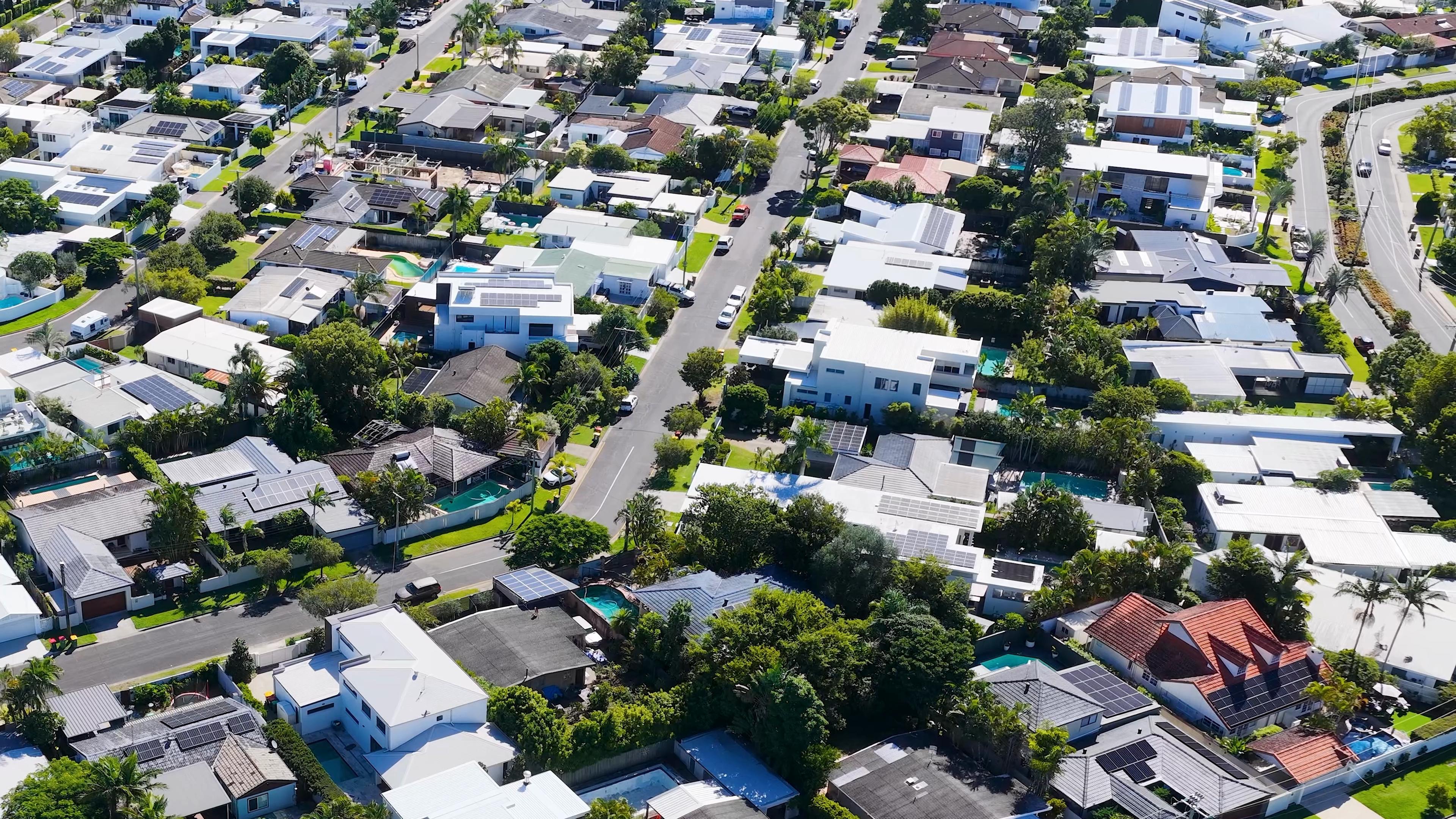
Council-run home energy assessment program launched in 2024 by the City of Boroondara. Supports households across Boroondara, including concession card holders, by subsidising professional home energy assessments, which residents book through an accredited assessor at a reduced fee.
Involved in this program?
Let us know if anything on this page needs updating.
Contact
Name
Verita Stewart
The Organisation
The Initiative
- Householder
- Renter
- Concession card holders
- Detached single
- Townhouse
- Apartment
Short overview:
City of Boroondara runs a subsidised Home Energy Assessment program giving residents, including homeowners and renters, a professional Residential Efficiency Scorecard assessment by accredited assessor EPHE that delivers a home energy rating and tailored recommendations for thermal comfort, energy efficiency and electrification planning. Council adds a discount on top of the Victorian Energy Upgrades (VEU) subsidy, cutting costs 50% for general households and 75% for eligible concession card holders. Under this referral model, each household qualifies for one discounted assessment. The current Scorecard model will transition to a framework based on the Nationwide House Energy Rating Scheme (NatHERS) following statewide changes.
Future intentions:
The program will continue beyond 2025 with councillor and Council support, and Council expects it to grow in scope over time. Future delivery models, including going beyond the current format, are still being explored. Expansion depends on planning and resourcing; Council intends to develop its home energy upgrade support further in response to community demand and interest in electrification.
Resourcing & Delivery Model
Funding Sources
- Public local authority budget
- Public state budget
- Funded under Boroondara’s broader Climate Action Plan.
- Climate Action Plan allocation (all actions, not only this program): $3.9m in 2025–26 and $4m in 2026–27.
- Personal advice and assessments
The program is funded under Boroondara's Climate Action Plan budget, with the Victorian Energy Upgrades (VEU) scheme applying a state subsidy through accredited provider EPHE and Council adding a top-up discount; residents contract directly with the assessor and pay the reduced fee.
Partner Roles & Collaboration
- Energy assessors
- State government actors
- Other service providers
Community Participation Modes
- Dissemination of information & education (website, newsletters, social media, Solar Savers promotion, community events and expos)
- Consultation (individual home energy assessment visits and in-person Q&A engagement at events)
City of Boroondara leads and funds the program under its Climate Action Plan, procuring accredited Residential Efficiency Scorecard provider EPHE to deliver the assessments. EPHE conducts the assessments, applies both the Victorian Energy Upgrades (VEU) state subsidy and the Council top-up discount at booking, and contracts directly with residents. The VEU program supplies the underlying state subsidy applied through the assessor. Solar Savers, under a Memorandum of Understanding with Council, acts as a council alliance referral partner, directing residents to the accredited provider but not delivering assessments itself.
Actions & Upgrades
- Discounts
- Home energy assessments
- Workshops
- Online information
- Individual advice / consultation
- Supplier vetting
- Support accessing other programs
- Tailored support for vulnerable households
Key Insights
Lessons Learned
- Reaching the community is harder than designing the program: discounts and a well-designed assessment are not enough, so promotion and outreach have been central.
- Plain, benefit-focused language (such as 'energy assessment' or 'improve comfort') engages residents better than technical terms like 'Residential Efficiency Scorecard' or 'draught-proofing', and messaging has been refined over time as the team learns what resonates.
- Face-to-face events enable stronger engagement, giving residents one-on-one conversations to ask questions and understand the program.
- There is no single formula for effective outreach; the program keeps evolving as the team learns how residents respond.
Barriers
- Low awareness: many residents simply do not know the program exists and so cannot participate.
- Information overload and decision complexity: residents can find general information online but struggle to know where to start, identify appropriate installers, compare technology options, and avoid being steered toward less suitable products.
- Time constraints mean many residents are too time-poor to prioritise booking an assessment.
- Practical and technical limits, such as space for heat pumps or building layout, can make upgrades difficult and overwhelming regardless of financial capacity.
- Rental limitations: renters need landlord approval to act, making simple renter-friendly upgrades important.
- Upfront costs for some upgrades (for example full heating system replacement) can deter action, though they are not always the primary barrier in Boroondara.
- Limited data: the council has not conducted a formal barriers study, making it hard to know which constraints matter most.
Enablers
- Delivery through a government-accredited Residential Efficiency Scorecard assessor (EPHE) and alignment with the recognised Victorian Energy Upgrades (VEU) scheme give the program credibility and public confidence.
- Council reputation and institutional trust, including residents' trust in information on the Council website, support uptake.
- Strong councillor and organisational backing keeps the program running.
- The 50%–75% discount structure makes the assessment feel accessible and valuable, encouraging participation.
- Partnership with Solar Savers gives residents access to vetted suppliers and multiple quotes, increasing trust.
Local Solutions
- Boroondara's many older and heritage homes, often large with features like chimneys and poor insulation, create distinct energy-efficiency challenges and shape which households engage.
- Mixed financial capacity, with some residents 'asset-rich but cash-poor' and others such as students and renters facing different constraints, prompted concession-based discounts to improve equity.
- Strong local sustainability groups and community interest in climate action sustain demand for the program.
- Widespread community confusion about electrification, products and rebates makes the assessment a clear starting point for overwhelmed households.
Knowledge Sharing
- City of Boroondara shares insights from the program through regional and metropolitan local government networks across Melbourne, including the Eastern Alliance for Greenhouse Action, Solar Savers and the Council Alliance for a Sustainable Built Environment (CASBE). Exchange happens through collaborative projects and professional peer networks rather than a formal, program-specific reporting process: officers both advise other councils and draw on peers' experience when developing home energy programs. The approach is relationship-based and embedded in ongoing inter-council collaboration rather than a standalone mechanism specific to this program.
Needs & Support Requirements
- Stronger post-assessment support pathways are needed, since the program currently provides the assessment and report but little structured help to implement recommendations; future design aims to guide households through the upgrade journey.
- More comprehensive, up-to-date guidance materials are needed as products, rebates and technologies change rapidly.
- The program needs redesign or expansion as the Residential Efficiency Scorecard winds up in June, while maintaining continuity.
- Improved communication and engagement strategies are needed, as reaching residents remains difficult.
- The main need is long-term strategic planning and better support design rather than additional budget, which is currently sufficient under the Climate Action Plan allocation.
Data Collection & Sources
Data was collected over the period December 2025 – June 2026. Data collection involved desktop research and an interview with a program representative. All data was validated by a program representative.
Information sources used:
- https://www.boroondara.vic.gov.au/services/environment-and-sustainability/local-sustainability/save-energy-your-home (City of Boroondara — Save energy in your home)
- https://climateactionplan.boroondara.vic.gov.au/actions/1.7 (Boroondara Climate Action Plan Hub — Action 1.7)
- https://www.boroondara.vic.gov.au/your-council/news-and-media/boroondara-news/get-set-save-home-energy (City of Boroondara news — Get set to save on home energy (30 May 2024))
- https://www.ephe.com.au/scorecard-boroondara/ (EPHE — Book a Scorecard Assessor (Boroondara))
- https://www.ephe.com.au/bookings/ (EPHE — Bookings page (Boroondara discount prices))
- https://www.energy.vic.gov.au/victorian-energy-upgrades/homes/home-energy-rating-assessments (Energy Victoria (DEECA) — VEU: Home energy rating assessments)
- https://www.esc.vic.gov.au/victorian-energy-upgrades/activities-offered-under-veu-program/other-veu-activities/home-energy-rating-assessment-activity (Essential Services Commission — Home energy rating assessment activity)
- https://www.homescorecard.gov.au/ (Residential Efficiency Scorecard (national program site))
Interview with program representative (conducted on 10/2/2026) and validation done on 24/2/2026