City of Boroondara
Home Energy Kit Borrowing Program
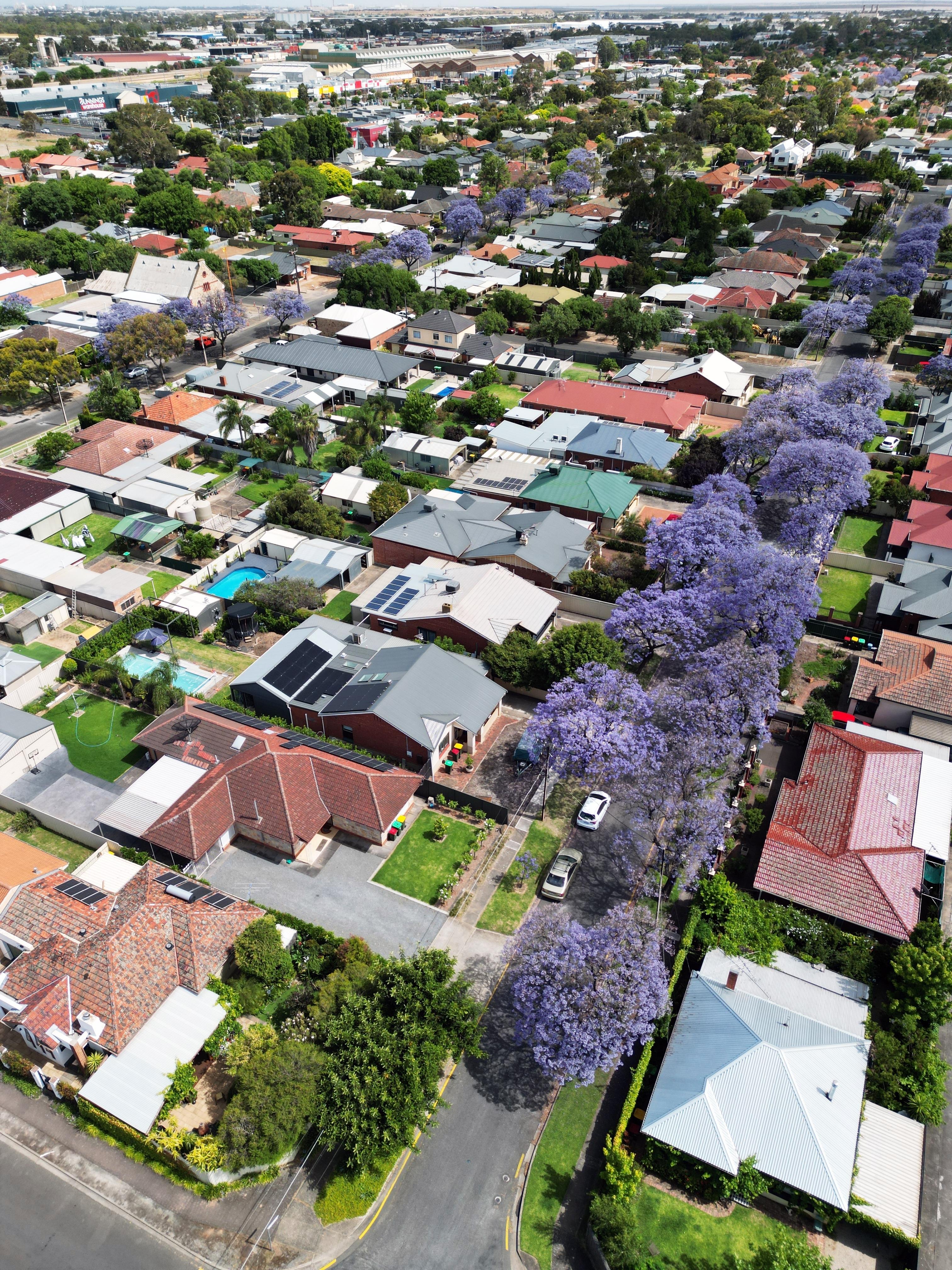
Council-run local home energy program launched in 2021 by the City of Boroondara. Supports households and renters across Boroondara by lending DIY home energy kits through council libraries, helping residents find where energy is wasted and trial new technologies at no cost before making upgrades.
Involved in this program?
Let us know if anything on this page needs updating.
Contact
Name
Verita Stewart
The Organisation
The Initiative
- Householder
- Renter
- Detached single
- Townhouse
- Apartment
Short overview:
Boroondara Libraries lend DIY home energy kits that help residents find where energy is wasted at home. Each kit includes a Power-Mate energy meter (measuring electricity use and running costs of plug-in appliances), a thermal imaging camera (showing hot and cold spots that indicate heat loss, air leaks, or insulation gaps), and portable plug-in induction cooktops for trialling electric cooking, plus a charging cable, adaptor, and user guide. Residents borrow kits for Android or iPhone through the library catalogue, just like a book. The program supports practical, low-risk experimentation, particularly ahead of winter or summer, helping households identify inefficiencies, trial new technologies, and take small, informed steps toward better comfort and energy performance.
Future intentions:
The program will continue under the City of Boroondara's Climate Action Plan Implementation Plan, with support for expanding the energy efficiency products borrowing program. Council is considering adding products such as fans or electric panel heaters, after a needs analysis under the Climate Action Plan Implementation Plan.
Resourcing & Delivery Model
Funding Sources
- Public local authority budget
- Funded under Boroondara’s broader Climate Action Plan.
- Climate Action Plan allocation (all actions, not only this program): $3.9m in 2025–26 and $4m in 2026–27.
- Information and self-help
Council purchases and maintains the equipment, and residents borrow items at no cost using standard library systems.
Partner Roles & Collaboration
- Local government actors
Community Participation Modes
- Dissemination of information & education
- Citizen science
- Other (borrowing/returning equipment via library)
The City of Boroondara's Environmental Sustainability team maintains the program as a Climate Action Plan action and funds equipment purchases, while Boroondara Libraries manage catalogue listings, reservations, loans, and returns of the kits.
Actions & Upgrades
- Workshops*
- Equipment loaning**
- Online information
*Workshops: 45 delivered in 2025 through Council’s Living for Our Future program.
**Equipment loans: FLIR cameras loaned 554 times since 2021; six induction cooktops loaned 51 times since November 2024.
Key Insights
Lessons Learned
- Strong community uptake, with waitlists of up to 28 people for a single item, shows clear demand and supports adding more units of existing products such as thermal cameras, energy meters, and induction cooktops.
- Lending high one-off-cost items lets residents test them before buying.
Barriers
- Introducing induction cooktops required a formal risk assessment to manage potential injury, safety, and liability.
- Fitting the program into libraries posed logistical challenges, as the equipment is larger than books and had to align with existing storage, borrowing processes, and returns; any expansion would need further storage planning with Libraries.
Enablers
- The local library system was a major enabler, providing established customers, borrowing processes, experience managing loaned items, and trust as a community resource.
- Strong community uptake and waitlists confirmed the products were relevant to residents, supporting the program's continuation and expansion.
Local Solutions
- Thermal imaging cameras suit Boroondara’s many large, older and ‘leaky’ homes, with gaps, chimneys and limited insulation, by showing where heat is lost.
- Induction cooktop loans let households in older, gas-connected homes test electric cooking before committing to renovations or upgrades.
Knowledge Sharing
- City of Boroondara shares insights from the program through regional and metropolitan local government networks across Melbourne, including the Eastern Alliance for Sustainable Learning, the Eastern Alliance for Greenhouse Action, and the Council Alliance for a Sustainable Built Environment (CASBE). Exchange happens through collaborative projects and professional peer networks rather than formal program-specific reporting: Council officers both advise other councils and draw on peers' experience when developing home energy programs. The approach is relationship-based and embedded in ongoing inter-council collaboration rather than a standalone mechanism specific to this program.
Needs & Support Requirements
- The strongest need is to expand available equipment, increasing the number of thermal cameras, energy meters, and induction cooktops to meet demand shown by long waitlists, alongside a structured process to formally assess what additional products residents would find useful.
- Strategic planning under the Climate Action Plan Implementation Plan is the next step, guiding evidence-based decisions about program expansion aligned with community needs.
Data Collection & Sources
Data was collected over the period December 2025 – June 2026. Data collection involved desktop research and an interview with a program representative. All data was validated by a program representative.
Information sources used:
- https://www.boroondara.vic.gov.au/services/environment-and-sustainability/local-sustainability/save-energy-your-home (City of Boroondara — “Save energy in your home”)
- https://climateactionplan.boroondara.vic.gov.au/actions/1.9 (Boroondara Climate Action Plan — Action 1.9)
- https://climateactionplan.boroondara.vic.gov.au/actions/P1.13 (Boroondara Climate Action Plan — Action P1.13)
- https://www.boroondara.vic.gov.au/services/libraries/digital-resources/reading-resources/all-booklists/sustainability-read-all-about-it (City of Boroondara Libraries — “Sustainability – read all about it!”)
Interview with program representative (conducted on 10/2/2026) and validation done on 24/2/2026