City of Casey
Home Energy Efficiency Rebate
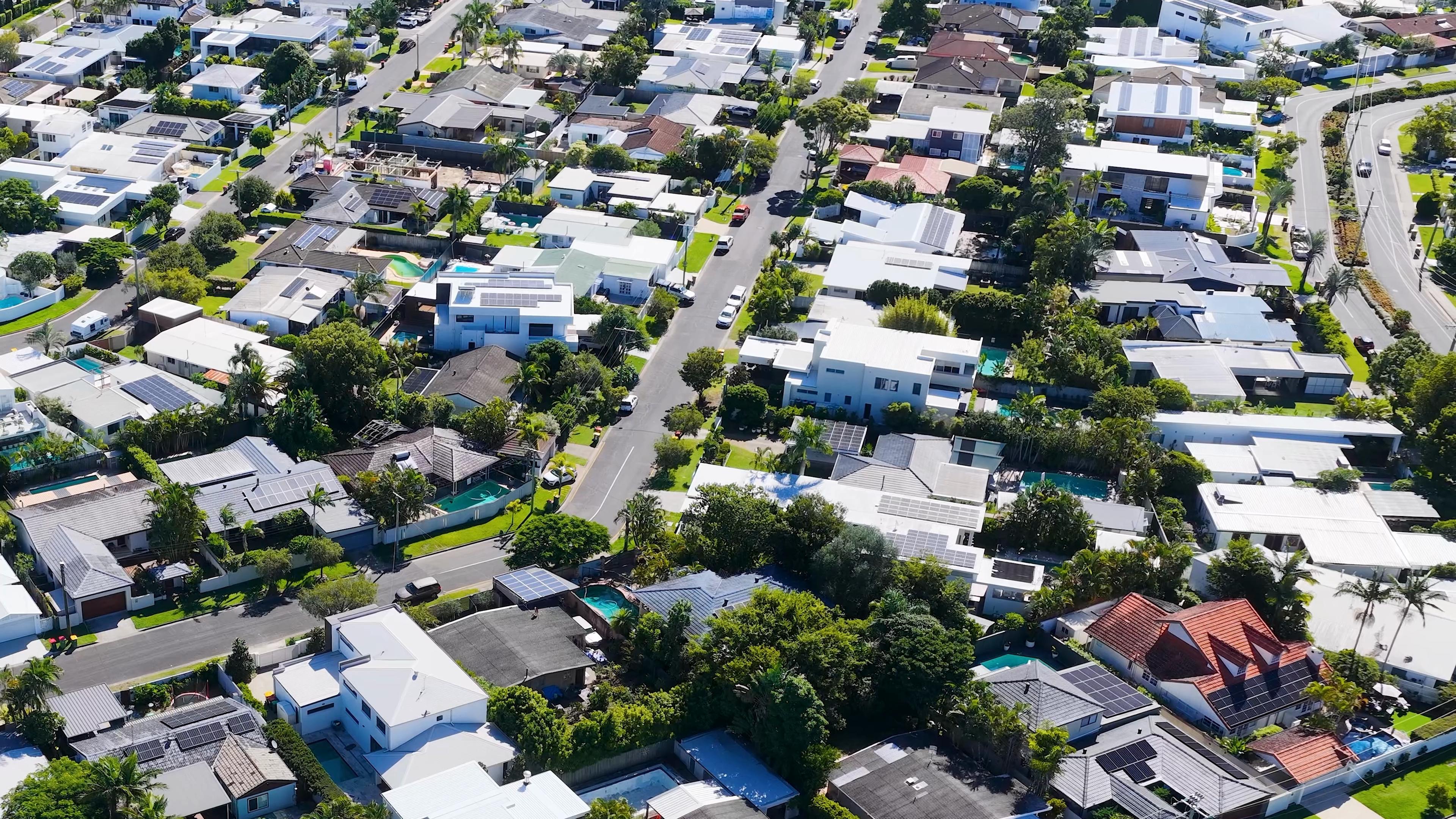
Council-run local energy efficiency program launched in 2023 by the City of Casey, Victoria. Supports homeowners and renters by offering rebates for low-cost, do-it-yourself improvements residents purchase and install themselves through an online application platform.
Involved in this program?
Let us know if anything on this page needs updating.
Contact
Name
Jennifer Marshall
The Organisation
The Initiative
Householder
Renter
- Detached single
- Townhouse
- Apartment
Short overview:
The City of Casey's Home Energy Efficiency Rebate provides eligible residents with up to $200 to purchase and install approved draught-proofing products such as door seals and draught stoppers, supporting low-cost, do-it-yourself improvements that reduce unwanted air leakage. Residents can identify draughts using an Energy and Water Efficiency Home Audit Kit available through local libraries, though borrowing the kit is recommended rather than mandatory. Applications are submitted online through the Rebately platform, and rebates are paid by bank transfer once evidence of installation is approved.
Future intentions:
Council intends to review the program once the initial $20,000 rebate pool is exhausted, with potential for a further allocation of similar size subject to performance assessment. Near-term plans focus on increasing uptake through stronger promotion via social media, events and other communication channels. Council is also exploring partnerships with community organisations, case managers, and link workers to better reach households needing assistance, though this remains under consideration due to concerns about installation complexity, and budget impacts.
Resourcing & Delivery Model
Funding Sources
- Public local authority budget
- Rebates and reimbursements
City of Casey funds the program and sets eligibility rules. Residents purchase and self-install eligible draught-proofing products, then submit an online rebate application through the Rebately platform, which administers applications, eligibility checks, and fraud prevention, reducing internal council administrative workload. Approved rebates are paid directly to residents by bank transfer.
Partner Roles & Collaboration
Local government actors
Other (Rebately platform, Connected libraries)
Community Participation Modes
Dissemination of information & education (through council websites, e-newsletter, social media and promotion events)
City of Casey is the program owner, providing funding, eligibility approval, rebate payments, and promotion. Rebately provides the online application platform, claim processing, duplicate-claim checks, and fraud prevention. Connected Libraries provide Energy and Water Efficiency Home Audit Kits for residents to borrow, with loan data shared only in aggregate due to privacy restrictions.
Actions & Upgrades
- Rebates
- Equipment loaning
- Online information
- Draught proofing
Key Insights
Lessons Learned
- Active promotion through social media, newsletters, events, and community channels increases awareness and uptake of the rebate over time.
- A straightforward online application that allows residents to upload receipts, photos, and proof of residency makes the program easier for households to engage with.
- Information and application materials available only in English limit access in multicultural communities, highlighting the importance of translation or community-based support.
- Low-cost, do-it-yourself measures such as draught-proofing are an accessible “easy win” that households can install themselves without needing tradespeople.
- Program rules may need adjustment after launch: initially requiring households to borrow an audit kit limited participation, prompting a later change making the kit optional rather than mandatory.
Barriers
- Low awareness limits participation in such a large municipality, where not all residents use council websites or social media.
- Information and application materials available only in English restrict access in a multicultural community.
- Initial program rules requiring households to borrow a home energy audit kit discouraged residents without library cards, those unable to visit libraries, or those who preferred not to borrow equipment, and were later removed.
- Some eligible households are hesitant to apply for or accept the $200 rebate, as some residents do not identify themselves as vulnerable or are accustomed to living with discomfort.
- Privacy restrictions mean libraries only share aggregate audit-kit loan numbers without demographic or location data, limiting understanding of who is reached and who may be missing out.
Enablers
- Access to home energy audit kits enables residents to self-assess their homes, identify draughts and problem areas, and feel more confident about which upgrades to make.
- A small financial incentive in the form of a rebate helps households pay for draught-proofing materials and move from awareness to action.
Local Solutions
- Community feedback showed that many residents, particularly older people and those living alone, were uncomfortable with cold calls and unfamiliar contractors entering their homes. In response, the program was designed as a resident-initiated, do-it-yourself rebate using self-assessment and optional audit kits, rather than relying on the Victorian Energy Upgrades program, so there are no third-party providers or unsolicited contact.
Knowledge Sharing
Learnings are shared through the City of Casey's existing climate and sustainability collaboration networks.
Regional council climate alliances are the key channel, including SECCCA (South East Councils Climate Change Alliance) and EAGA, where councils regularly exchange information about local energy and sustainability programs.
Needs & Support Requirements
- Continued or increased funding for the rebate pool, as future improvement or expansion of the capped program depends primarily on additional allocation.
- Ongoing access to efficient third-party administration via an external rebate platform to keep council time and administrative effort low if the program continues or scales.
Data Collection & Sources
Data was collected over the period December 2025 – June 2026. Data collection involved desktop research and an interview with a program representative. All data was validated by a program representative.
Information sources used:
- https://www.casey.vic.gov.au/home-energy-rebates (City of Casey – Home energy efficiency rebates)
- https://www.casey.vic.gov.au/sustainable-initiatives (City of Casey – Sustainable initiatives (Energy and Water Efficiency Home Audit Kits section))
- https://rebately.co/casey/about/ (Rebately (City of Casey) – About rebate program)
- https://rebately.co/casey/rebates/home-energy-efficiency/ (Rebately (City of Casey) – Home Energy Efficiency rebate details)
- https://rebately.co/casey/rebates/home-energy-efficiency/terms/ (Rebately (City of Casey) – Home Energy Efficiency terms)
- https://www.casey.vic.gov.au/contact-us (City of Casey – Contact us)
- https://www.casey.vic.gov.au/caseys-history (City of Casey – Casey’s history)
- Interview with program representative (conducted on 14/1/2026)