City of Greater Bendigo
Home Energy Empowerment Program
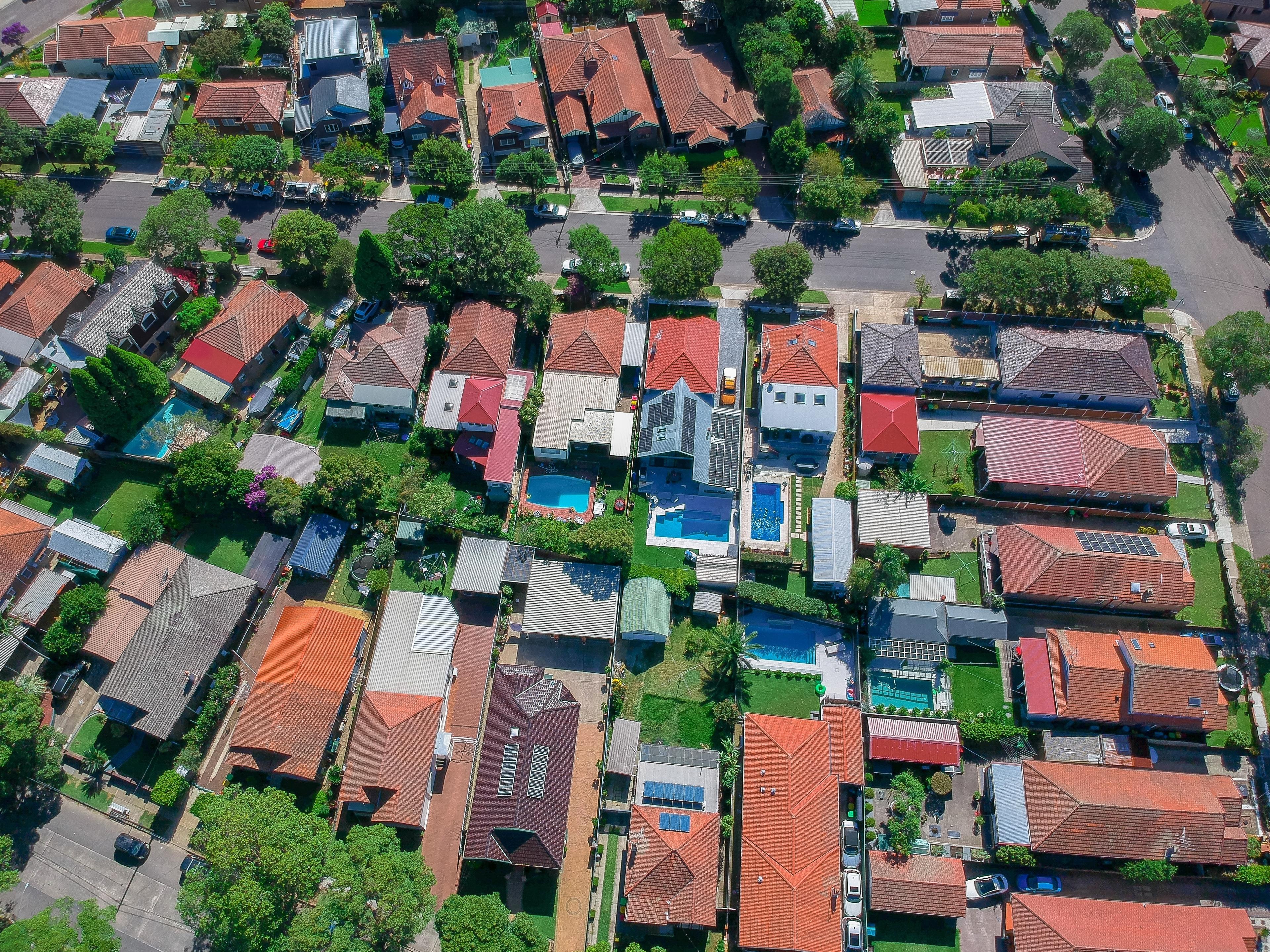
Council-run regional home energy education program launched in 2025 by the City of Greater Bendigo. Supports homeowners and renters across the Greater Bendigo region by providing free education, planning support and energy advice, while households arrange and fund any upgrades themselves.
Involved in this program?
Let us know if anything on this page needs updating.
Contact
Name
Cail Rayment, Rebecca Allsop
The Organisation
The Initiative
- Householder
- Renter
Short overview:
The Home Energy Empowerment Program is a free, council-led education and planning program that helps residents understand and plan home energy-efficiency improvements. The City of Greater Bendigo developed it with the Central Victoria Greenhouse Alliance (CVGA) and Bendigo Sustainability Group. Running from May to November 2025, it offered in-person planning and Q&A sessions, short webinars, and one-to-one energy bill review sessions through local libraries; recorded webinars were posted online, and the program was promoted via community events and partner networks.
Future intentions:
The webinar series and in-person sessions concluded in November 2025, while energy bill reviews and community-event engagement continue. Council is considering a larger follow-on program in 2026, subject to internal planning and approval; its design and scope are not yet finalised. Possible directions include building on existing educational content, increasing promotion, and relying more on participant word-of-mouth to share experiences and outcomes.
Resourcing & Delivery Model
Funding Sources
- Public local authority budget
- Membership fees
- $5,000 in 2025, not including staff time (one full-time equivalent position)
- Information and self-help
Personnel and delivery costs are met through partner membership fees paid to the Greater Bendigo Climate Collaboration, which approves expenditure. The program provides free education, planning support and energy advice.
Partner Roles & Collaboration
- Local government actors
- Community organisations
- Peak bodies
Community Participation Modes
- Dissemination of information & education
- Consultation (workshops, webinars, one-to-one advice)
The City of Greater Bendigo led delivery, hosting events, managing registrations and coordinating promotion. The Central Victoria Greenhouse Alliance (CVGA) coordinated collaboration across participating councils, supporting shared program design, webinar delivery and cross-council learning. Bendigo Sustainability Group (BSG) contributed through related activities such as Sustainable House Days, which the City of Greater Bendigo promoted but BSG delivered separately from the core program. Partner councils, such as Central Goldfields Shire Council, supported local delivery through locally hosted events, promotion and participation in the broader CVGA-coordinated program.
Actions & Upgrades
- Workshops*
- Open home days (past)
- Equipment loaning
- Online information
- Individual advice / consultation
*11 webinars and face-to-face sessions were delivered before ending in November 2025; ongoing activities include monthly library energy-bill reviews (19 as of Feb 2026) and community stalls/presentations (12 as of Feb 2026).
Key Insights
Lessons Learned
- Webinars and online content reached large audiences, with around 1,200 people participating across in-person sessions, live webinars and recorded content.
- Recorded educational content has ongoing value beyond live delivery and can be reused in future programs.
- Information alone does not prompt action; households need structured planning support to understand where to start and turn interest into concrete plans.
Enablers
- Strategic support within the City of Greater Bendigo, tied to its goal of reducing household emissions, helped legitimise and prioritise the program.
- Backing from the Greater Bendigo Climate Collaboration, which includes large, well-connected local organisations, helped promote the program and reach residents.
- Collaborating with neighbouring councils through regional networks helped share ideas, resources and delivery approaches.
- Online webinar delivery brought in expert presenters from outside the area, including Melbourne-based experts, and made participation easier.
- External state and other rebate programs motivated households, with the program explaining what was available and how it could reduce upgrade costs.
- Broader market activity, with suppliers promoting solar, hot water and electrification upgrades, reinforced council messaging.
- Local housing that is cold in winter and hot in summer increased resident interest in comfort and efficiency upgrades.
Local Solutions
- Greater Bendigo's hot summers and cold winters shaped a program focus on heating and cooling.
- Regionally based experts were also used so advice reflected local climate conditions.
- Local housing stock was a contextual consideration in program discussions.
Knowledge Sharing
- Knowledge sharing happens internally and externally. Internally, learnings are shared within the council's climate change and environment team and across other teams including communications, customer service, health and IT, via internal showcases. Externally, they are shared with the Greater Bendigo Climate Collaboration, whose partner organisations support and fund the program and use the learnings to give feedback, support improvement and assist with promotion.
Needs & Support Requirements
- Increased funding to offer direct rebates, support alternative financing such as loans repaid through council rates, and enable bulk-buy or coordinated procurement that reduces upfront costs for households.
- More localised, community-based delivery that shifts from city-wide engagement toward street- or suburb-level approaches where residents work together and learn from nearby households.
- Support for peer-to-peer and local champion models, identifying residents who have already upgraded to help scale impact.
- Greater staff and delivery capacity, since more intensive localised models would need significantly more resources than currently available.
- Evaluation and evidence to test the effectiveness of street-level and peer-led models, which currently have limited evidence.
- Better data to track household plans and follow-through, as current data does not show how participants progress from learning to implementation.
Data Collection & Sources
Data was collected over the period December 2025 – June 2026. Data collection involved desktop research and an interview with a program representative. All data was validated by a program representative.
Information sources used:
- https://www.bendigo.vic.gov.au/about-us/news-and-media/new-home-energy-empowerment-program-aims-help-local-residents (City of Greater Bendigo – media release)
- https://www.connectgreaterbendigo.com.au/events/environment-and-sustainability-events/home-energy-efficiency-planning-session (CONNECT Greater Bendigo – Home energy efficiency planning session (event listing))
- https://www.bsg.org.au/s/Community-Energy-Empowerment-Program-workshop-flyer_ID1127-DRAFT-V3.pdf (Bendigo Sustainability Group – program workshop flyer (PDF))
- https://cgca.org.au/resources/ (Central Goldfields Climate Action – Resources)
- https://www.pyrenees.vic.gov.au/Residents/Environment-and-Sustainability/Home-Energy-Empowerment (Pyrenees Shire Council – Home Energy Empowerment)
Interview with program representative (conducted on 23/1/2026) and validation done on 10/2/2026