City of Launceston
Home Energy Audit Toolkits (HEAT)
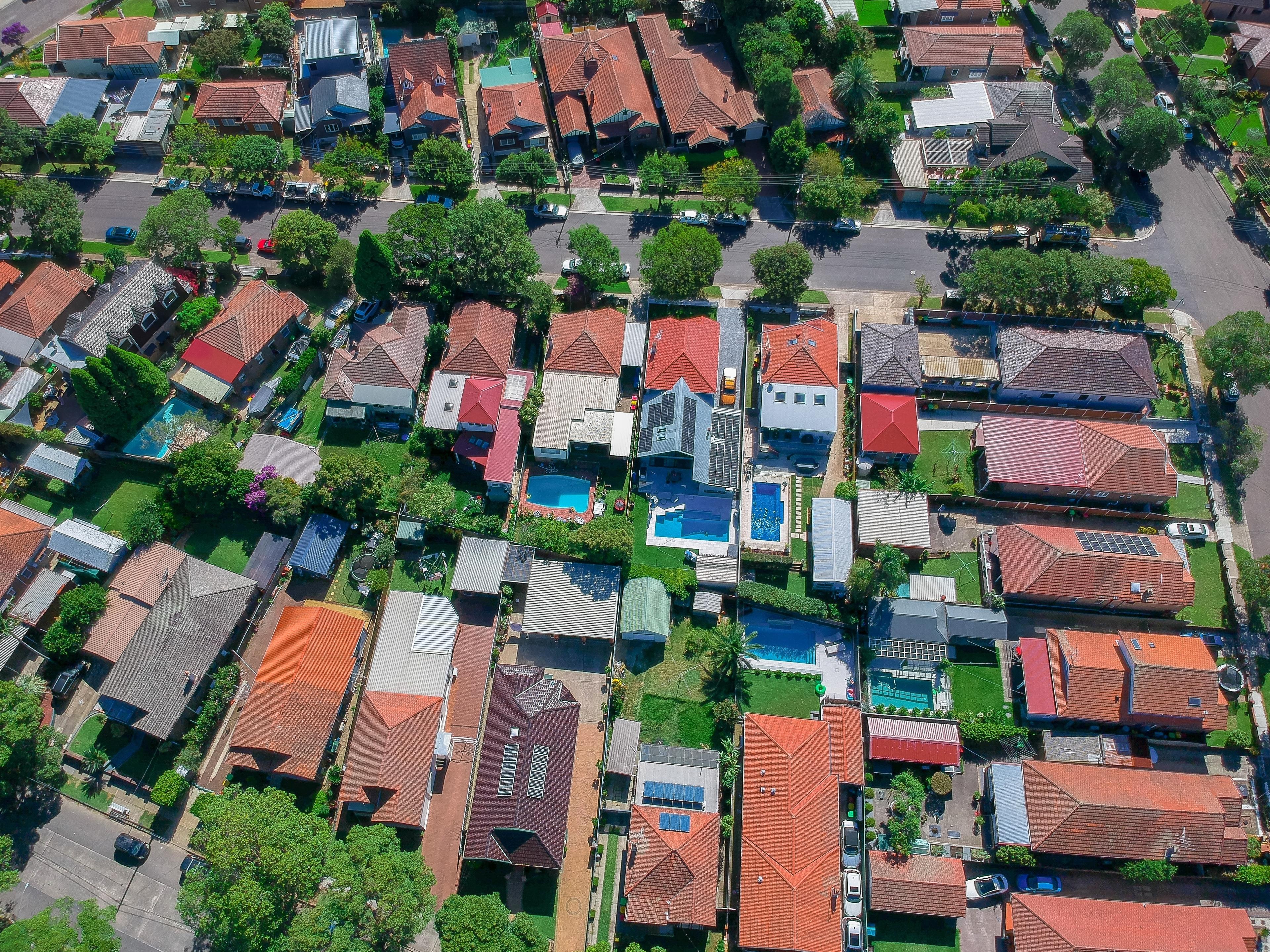
Council-run local home energy efficiency program launched in 2011 by the City of Launceston. Supports households and renters in Launceston by lending free self-audit toolkits residents use to assess their own homes and plan energy-saving improvements.
Involved in this program?
Let us know if anything on this page needs updating.
Contact
The Organisation
The Initiative
- Householder
- Renter
- Detached single
- Townhouse
- Apartment
Short overview:
The Home Energy Audit Toolkits (HEAT) program, delivered by the City of Launceston, lends free self-audit toolkits that help residents assess and improve household energy efficiency. Developed by Hobart City Council and rolled out statewide across Tasmania in 2010–2011, it has since been updated and expanded locally, most recently in 2025, when kits were added and updated with more modern technology. Launceston now offers three kit types: the original Home Energy Audit Toolkit (Power-Mate electricity meter, thermometers and instructional materials), thermal imaging cameras for building envelope performance, and induction cooktops supporting household electrification and gas removal. Residents self-assess using provided guidance; no third-party assessments or financial incentives are included. A refundable $100 deposit secures the two-week loan. The program is primarily educational, building household capability to identify and implement energy-saving actions.
Future intentions:
The next step is a separate but related pilot, developed with the University of Tasmania, to trial affordable retrofit interventions in roughly 10 homes. It will use before-and-after monitoring (temperature, humidity, qualitative feedback) to build local evidence on which measures work best in Launceston’s low-star-rated housing stock (many homes rated 1.7 stars or less), informing future communication, education and potential subsidy priorities. The pilot follows on from HEAT; it is not an expansion of the toolkit model.
Resourcing & Delivery Model
Funding Sources
- Public local authority budget
- Approximately AUD $5,000 per year
- Information and self-help
The City of Launceston funds and manages a free-to-borrow home energy audit toolkit service. Residents borrow kits (thermal imaging cameras, induction cooktops and audit tools) for two weeks. Fully subsidised by Council at roughly $5,000 per year.
Partner Roles & Collaboration
- Community organisations
Community Participation Modes
- Dissemination of information and education
The City of Launceston independently manages and delivers HEAT. The Southern Tasmanian Councils Authority (STCA) and its Regional Climate Change Initiative (RCCI) took part in the original statewide rollout (circa 2011) but no longer have any delivery or coordination role. Current collaboration is informal and community-focused: local neighbourhood houses and the Repair Café help with promotion and community engagement, sometimes through activities like sewing door snakes for draught proofing. These community partners provide in-kind support.
Actions & Upgrades
- Home energy assessments (self-audit)
- Workshops
- Equipment loaning
- Online information
- Support accessing other programs (past)*
*Council provided information about Tasmania’s former zero-interest loan program.
Outcomes & Impact
Key Insights
Lessons Learned
- A $100 refundable deposit improved kit return rates and care after several kits were lost early on (4 of 8), with no reduction in uptake.
- A follow-up survey found about 80% of past participants undertook some home upgrade (insulation, draught proofing, appliance replacement), suggesting lack of information, not motivation, was the main barrier.
- The toolkit mainly reaches already-motivated residents actively seeking information, and is less effective for households with financial constraints or who find self-directed tools hard to use.
- Setting up a toolkit service takes roughly $5,000–$10,000 in initial capital, depending on how many kits are bought.
Barriers
- Kit demand fluctuates seasonally, peaking in winter and dropping in summer.
- The self-directed model requires residents to borrow, use, interpret and act on the kit independently, and some who could benefit do not follow through due to time pressures or competing priorities.
- The program struggles to reach disengaged households that lack the time, financial resources or confidence to undertake a self-led assessment.
Enablers
- Spikes in electricity prices drive increased interest in borrowing the kits.
- Cold winter conditions and discomfort strongly motivate residents to seek solutions, increasing participation.
- Regional collaboration on the initial statewide rollout shared development resources and prevented duplication in producing instructional materials and system design, which was critical to early implementation.
Local Solutions
- Launceston’s cold climate and largely poorly insulated, thermally inefficient housing stock shape the toolkit’s emphasis on keeping homes warm in winter.
- Council simplified the instructions so they are easier for all residents to use.
- The program recommends tiered solutions to a problem (e.g., double glazing, then curtains with pelmets, then bubble wrap) to accommodate varying household financial capacities.
- Because Tasmanian libraries are state-run rather than council-managed, kits are lent directly from Town Hall.
Knowledge Sharing
- Knowledge sharing happens through informal professional networks. The Sustainability Officer takes part in a national Basecamp forum used by climate emergency councils across Australia, where sustainability staff voluntarily exchange information on programs and approaches. Regionally, Council engages through bodies such as NTARC (Northern Tasmania councils), STCA and the Local Government Association of Tasmania (LGAT) for peer discussion and collaboration. Exchange is therefore network-based and voluntary, relying on communities of practice rather than formal reporting or replication frameworks.
Needs & Support Requirements
- Ongoing council staff time to manage bookings, enquiries, refundable deposits, kit checks and equipment maintenance.
- Continued promotion and outreach to maintain participation, particularly given seasonal fluctuations in demand.
Data Collection & Sources
Data was collected over the period December 2025 – June 2026. Data collection involved desktop research and an interview with a program representative.
Information sources used:
- https://www.launceston.tas.gov.au/Natural-Environment-and-Waste/Sustainability/Home-Energy-Audit-Toolkits (City of Launceston – Home Energy Audit Toolkits (HEAT) page)
- https://www.launceston.tas.gov.au/files/assets/public/v/1/environment/heat_infosheet_2011.pdf (HEAT Info Sheet (PDF))
- https://www.launceston.tas.gov.au/files/assets/public/v/1/environment/instructions_brochure_2011.pdf (HEAT Instruction Brochure (PDF))
- https://www.stca.tas.gov.au/rcci/our-projects/home-energy-audit-toolkit/ (STCA – Home Energy Audit Toolkit overview)
- https://tomorrowtogetherlaunceston.com.au/emissions (Tomorrow Together Launceston – Low Carbon Launceston)
- https://tomorrowtogetherlaunceston.com.au/download_file/1628/726 (City of Launceston – Community Emissions Action Plan)
- https://www.launceston.tas.gov.au/Community/History (City of Launceston – History)
Interview with program representative (conducted on 11/2/2026)