City of Moonee Valley
Home Electrification and Efficiency Program
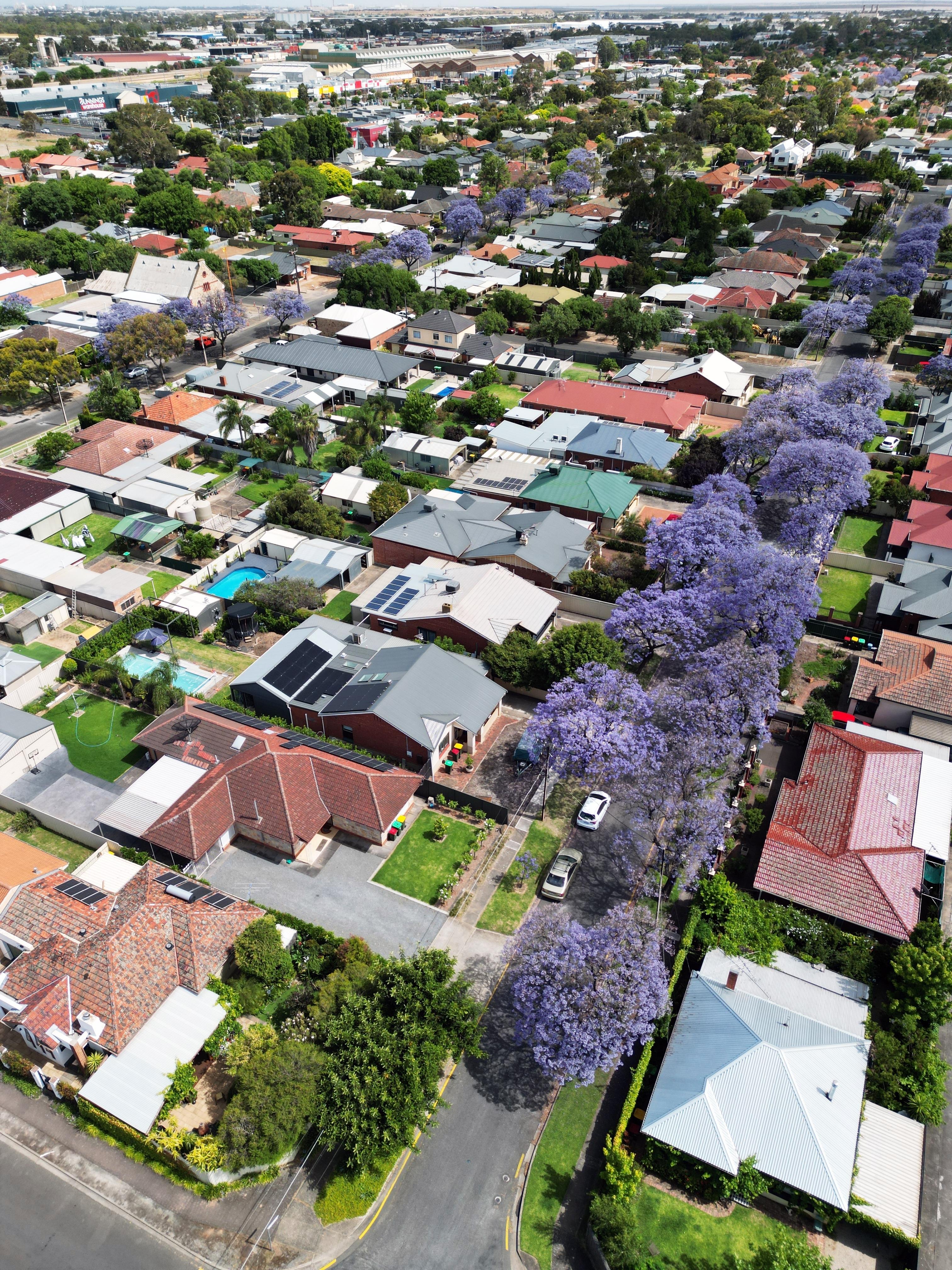
Council-run local home electrification program launched in 2024 by the City of Moonee Valley. Supports households by providing tailored home assessments and personalised electrification plans, connecting residents with vetted installers and offering subsidies for concession card holders.
Involved in this program?
Let us know if anything on this page needs updating.
Contact
The Organisation
The Initiative
- Householder
- Concession card holders
- Detached single
- Townhouse
- Apartment
Short overview:
Moonee Valley City Council established the Community Climate Emissions Reduction Reserve in 2021 to fund community carbon emissions reduction, using technical analysis and deliberative community input to prioritise high-abatement, feasible projects delivered through the Let's Go Zero program. The FY2023/24-2024/25 Let's Go Zero program piloted 19 initiatives, including the Home Electrification and Efficiency Program (HEEP). HEEP offered structured home electrification assessments focused on heating and cooling, hot water and induction cooktops, delivered by contracted external partners. Residents could take a free ten-minute phone call, a 30-minute video consultation or a 45-minute home consultation, after which a tailored assessment and quote incorporated Victorian Energy Upgrades (VEU) rebates and Council subsidies for concession card holders. Consultation fees were charged upfront but deducted from the final invoice if installation proceeded. The pilot was externally monitored and evaluated to inform future use of the Reserve.
Future intentions:
The HEEP pilot had a midpoint and a final evaluation, and continuation depended on Council allocating further Reserve funding. After the evaluation, Council endorsed a revised, broader Home Energy Upgrades Program.
Resourcing & Delivery Model
Funding Sources
- Public local authority budget
- AUD $55,000 (pilot allocation)
- Start-to-finish support
HEEP ran as a Council-funded start-to-finish support pilot, delivered by contracted external partners. Council and its delivery partners promoted the program and sought expressions of interest (EOI); residents completed an EOI for either a free phone call or a paid consultation, after which the delivery partners made contact, including an additional support call for subsidy-eligible concession card holders. Following the phone call and/or paid video or home consultation, residents received a personalised electrification plan and tailored quote incorporating Victorian Energy Upgrades rebates and Council subsidies, with installation by vetted contractors. Consultation fees were charged upfront and deducted from the final invoice if the resident proceeded. A separate Council-funded subsidy pool supported induction cooktop replacement for eligible concession card holders.
Partner Roles & Collaboration
- Other Service Providers
- Suppliers / Installers (vetted contractors)
- State Government Actors (Victorian Energy Upgrades rebates)
- Community Organisations (Council Libraries – promotion partner)
Community Participation Modes
- Co-planning (A deliberative community panel was used to determine community‑prioritised emission‑reduction actions for Council)
- Dissemination of information and education
- Joint implementation
Council funded the pilot from the Community Climate Emissions Reduction Reserve, coordinated it under the Let's Go Zero program, and contracted external partners to deliver assessments, additional support and integrated quotes. Vetted contractors carried out installations, while Victorian Energy Upgrades rebates and Council subsidies were embedded within quotes where relevant. Council libraries supported promotion and community event delivery.
Actions & Upgrades
- Discounts (past)
- Home energy assessments (past)
- Workshops (past)
- Online information
- Individual advice / consultation (past)
- Product vetting (past)
- Supplier vetting (past)
- Support accessing other programs (past)
- Tailored support for vulnerable households (past)
*The program ran as a short pilot in 2024 and has now ended.
Outcomes & Impact
CO₂ Emission Savings (estimated over 10 years)
Energy Bill Cost Savings (estimated over 10 years)
- Participant survey results showed improved knowledge and confidence among residents.
- 71% of participants agreed or strongly agreed that they better understood how to electrify their home.
- 82% agreed or strongly agreed that they felt able to make an informed decision about home electrification.
- 53% agreed or strongly agreed that they better understood the health benefits of removing gas from the home.
- Council staff also reported gaining a better understanding of barriers to community participation, particularly upfront cost and residents’ limited knowledge.
Key Insights
Lessons Learned
- Upfront cost was the dominant barrier, and the financial incentives provided were insufficient to meaningfully reduce out-of-pocket expenses or trigger stronger uptake.
- Streamlining sign-up is critical: the delivery provider's existing system forced a two-step sign-up that created friction even at the expression-of-interest stage, so future iterations aim to simplify registration.
- Energy literacy gaps require earlier-stage support, as some households, particularly vulnerable groups, lacked foundational knowledge, prompting dedicated energy literacy initiatives.
- Low-income households need structured, end-to-end support; offering a subsidy and an initial support call was not enough, so the new iteration adds separate general and low-income streams with enhanced support throughout.
- The program team thinks offering more than one vetted supplier could improve resident confidence and perceived fairness compared with a single pathway.
- Information sessions, both online and in-person, were highly valued and worth expanding.
Barriers
- High upfront costs of electrification upgrades, with the remaining cost burden too high for many households even after limited discounts and rebates.
- A high proportion of renters (approx. 27%), for whom many targeted upgrades were not feasible without landlord approval and whom the program design did not sufficiently accommodate.
- Apartment-living constraints, as some products were not easily applicable for apartment residents.
- A limited pilot budget ($55,000), sufficient for a trial but not for meaningful cost-of-living intervention or large-scale adoption.
- Energy literacy gaps among vulnerable populations, limiting some residents' ability to engage with electrification decisions.
Enablers
- Council endorsement and branding increased residents' trust and the program's credibility.
- Integrating Victorian Energy Upgrades state rebates directly into quotes simplified the process and reduced complexity for residents.
- An active local sustainability group independently promoted the program, reinforcing messaging and credibility.
Local Solutions
- A significant renter population (approx. 27%) that program design had to account for, though the initial design did not sufficiently resolve their constraints.
- Socioeconomic diversity across high and low SEIFA areas, with both highly advantaged and disadvantaged suburbs requiring redesign to cater to varying financial capacity and energy literacy.
Knowledge Sharing
- When designing the pilot, Council consulted directly with other councils running similar programs, using interview-style consultations to inform structure and delivery. During implementation, external monitoring and evaluation consultants produced formative (midpoint) and summative evaluations, which informed the redesign of the next iteration. Knowledge sharing thus occurred both upstream, learning from peer councils during design, and downstream, using evaluation findings to refine future programs. HEEP is embedded within Let's Go Zero – Moonee Valley and links residents to external rebate guidance and resources.
Needs & Support Requirements
- A larger subsidy budget to meaningfully reduce upfront costs.
- Additional staffing or outsourced resourcing to provide tailored, step-by-step support for low-income residents.
- Support pathways suited to residents’ different levels of energy literacy.
Data Collection & Sources
Data was collected over the period December 2025 – June 2026. Data collection involved desktop research and an interview with a program representative. All data was validated by a program representative.
Information sources used:
- https://mvcc.vic.gov.au/home-electrification-efficiency-program/ (Moonee Valley City Council — Home Electrification and Efficiency Program)
- https://mvcc.vic.gov.au/live/my-house/sustainability/letsgozero/ (Moonee Valley City Council — Let's Go Zero Moonee Valley (HEEP case studies and outcomes))
- https://mvcc.vic.gov.au/our-council/vision-strategy/climate-emergency/ (Moonee Valley City Council — Climate Emergency & Climate Reserve)
- Conservation Council ACT Region. (n.d.). Calculate the switch. Make the Switch. Retrieved June 13, 2026, from https://maketheswitch.org.au/calculator/
Interview with program representative (conducted on 13/2/2026) and validation done on 1/4/2026