City of Parramatta Council
Free Home Energy Assessments Program
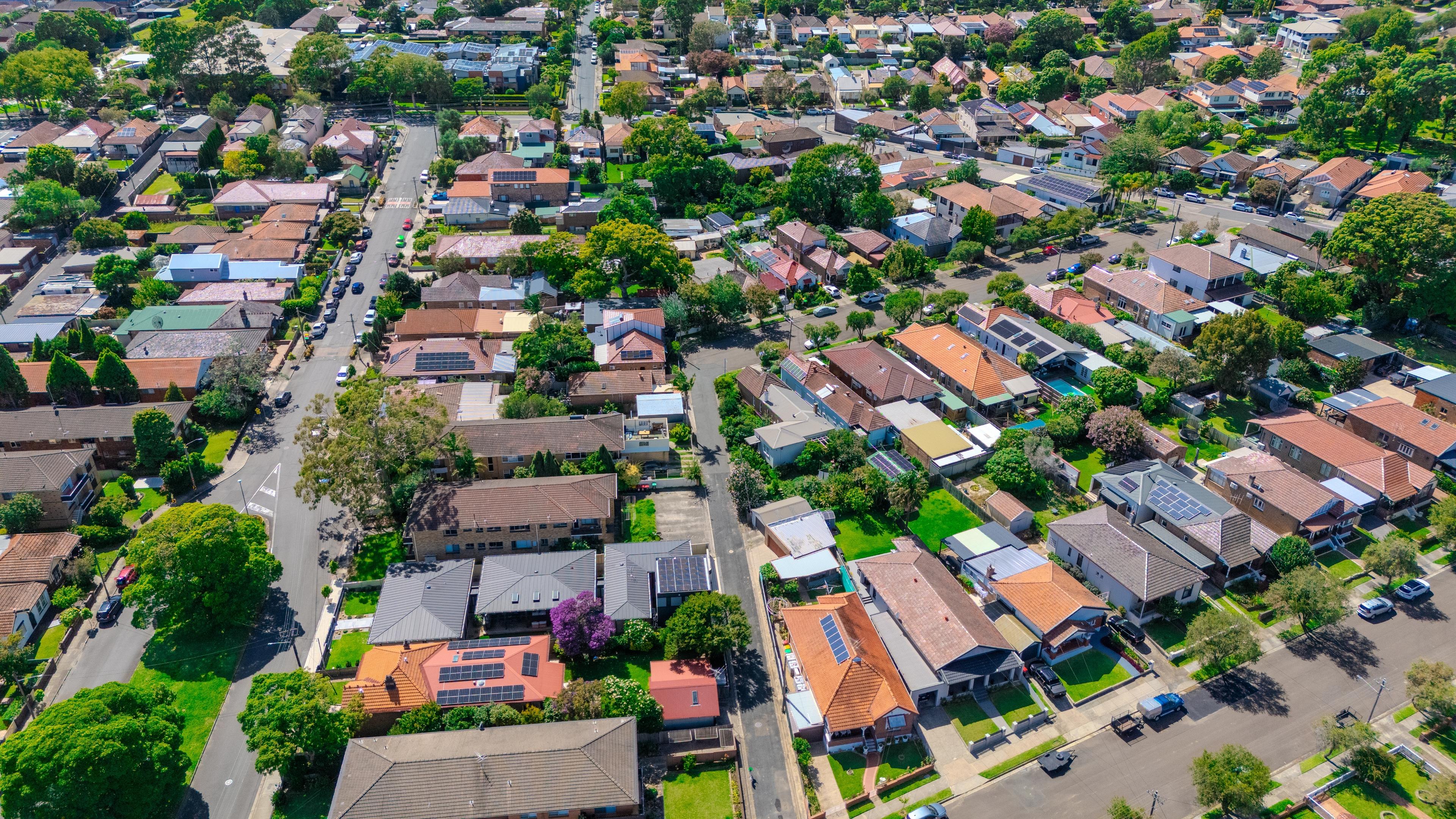
Council-run local home energy assessment program launched in 2022 by City of Parramatta Council. Supports homeowners and renters across the City of Parramatta by providing free in-home energy assessments and personalised written advice on improving home energy performance and reducing bills.
Involved in this program?
Let us know if anything on this page needs updating.
Contact
The Organisation
The Initiative
- Householder
- Renter
- Detached single
- Townhouse
- Apartment
Short overview:
The program gives eligible City of Parramatta residents a free 30–40 minute in-home assessment by a qualified consultant, with a written report and personalised recommendations to improve home energy performance and cut bills. It provides advice and diagnostics only, not physical upgrades or financial incentives. Assessments revealed widespread insulation deficiencies in both older dwellings and newer builds meeting only minimum standards, and these findings have informed council priorities and its other energy-efficiency programs.
Future intentions:
Council funds roughly 40 assessments a year and intends to run at least one round annually, adding extra rounds when funds allow. No change to the program model is planned.
Resourcing & Delivery Model
Funding Sources
- Public local authority budget
- Annual allocation: approx. $20,000–$25,000 for around 40 council-funded in-home energy assessments.
- Personal advice and assessments
The City of Parramatta funds 100% of standard in-home energy assessments. The annual budget is built around roughly 40 standard house assessments, but delivery is flexible and negotiated with the contractor, allowing more smaller apartment assessments where unit costs are lower.
Partner Roles & Collaboration
- Other service providers
Community Participation Modes
- Dissemination of information & education
City of Parramatta owns and solely funds the program, procuring and contracting the energy assessor through a tender process, defining the annual scope (about 40 standard assessments), and overseeing implementation. A contracted energy consultant delivers it, conducting in-home assessments and giving written energy-efficiency advice to participating households within the council-funded allocation, under negotiated arrangements that adjust volumes by dwelling type (e.g., houses versus apartments).
Actions & Upgrades
- Home energy assessments
- Online information
- Individual advice / consultation
Outcomes & Impact
Key Insights
Lessons Learned
- Household decision-making journeys are long and incremental, often taking over 12 months to move from initial interest to major upgrades, so the program helps residents take smaller, manageable steps.
- Low-cost, practical actions matter most for renters and households not ready for large upgrades, who benefit from immediate improvements they can implement themselves.
- Households value the detailed but accessible written report: survey feedback shows they keep and revisit it more than 12 months after the assessment.
Barriers
- Renters face structural tenancy constraints, with limited authority to undertake major upgrades; although the assessment model suits renters better than other programs, these barriers remain significant.
- Some residents declined an assessment because the assessor is currently male; some households prefer a female assessor.
- Local housing types and a high proportion of renters limit the feasibility of large infrastructure upgrades.
Enablers
- The service is fully subsidised and free, which significantly lifts uptake.
- In-home, face-to-face delivery builds trust and impact, with the assessor's presence, thermal imaging, and real-time discussion of bills making advice more tangible and credible than online services.
- Residents can act immediately during the visit, reviewing tariffs, comparing market rates, and sometimes contacting their provider to capture cost savings on the spot.
Local Solutions
- Given Parramatta's high proportion of renters, the program adapted its marketing and messaging to reach renters and promote low-cost, tenant-appropriate actions.
Knowledge Sharing
- Knowledge sharing runs mainly through established sustainability and local government networks: outcomes and lessons are shared in net-zero and electrification meetings, regional sustainability forums, and local government conferences. Other councils contact City of Parramatta directly for information, and insights are shared informally on request. Internally, findings circulate through council communication channels to support cross-departmental awareness and learning. Exchange is network-based and collaborative rather than structured through formal replication agreements.
Needs & Support Requirements
- A larger annual budget: demand far exceeds the 40 assessments a year, which fill within about two weeks, and more funding would let the program offer more, for example 100 a year.
- A NSW-specific home energy scorecard aligned with electrification goals to provide standardised benchmarking. Council considers current and trial scorecard approaches, modelled on Victoria's framework, not well aligned with its electrification objectives.
- Assessment tools that reinforce rather than contradict local climate goals: an earlier scorecard certificate gave strong ratings to gas-appliance homes, creating conflicting, inconsistent guidance, so council chose not to continue funding it.
Data Collection & Sources
Data was collected over the period December 2025 – June 2026. Data collection involved desktop research and an interview with a program representative. All data was validated by a program representative.
Information sources used:
- https://www.cityofparramatta.nsw.gov.au/environment/educational-programs/free-home-energy-assessments-program (City of Parramatta Council: Free Home Energy Assessments Program)
- Household Electrification - Local Government Programs held on Tuesday 16th September at UWS. Recording: https://youtu.be/vP-j1w2p82c
Interview with program representative (conducted on 9/2/2026) and validation done on 23/2/2026