City of Yarra
Yarra Home Energy Upgrades
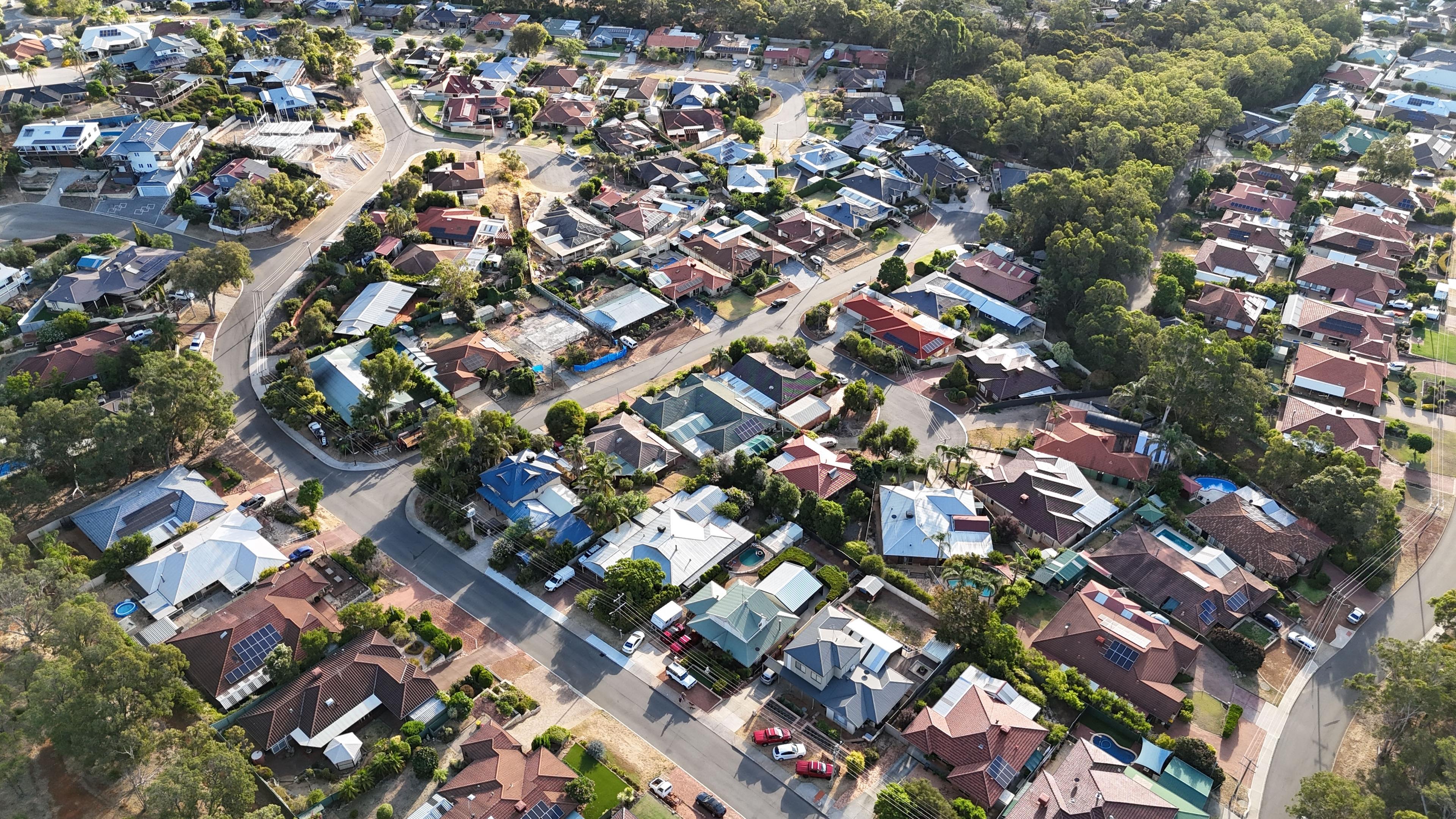
Council-run local home energy upgrade program launched in 2024 by the City of Yarra. Supports low-income households, including renters and community housing tenants, by funding thermal comfort assessments and upgrades delivered through an approved supplier panel.
Involved in this program?
Let us know if anything on this page needs updating.
Contact
The Organisation
The Initiative
- Householder
- Renter
- Concession card holders
- Low-income
- Detached single
- Townhouse
- Apartment
- other (Heritage overlay properties)
Short overview:
Yarra Home Energy Upgrades is a council-funded subsidy program by the City of Yarra helping low-income households improve thermal comfort, climate resilience, and energy affordability. Eligible households holding a concession or healthcare card under the Victorian energy concession receive subsidies of up to AUD 3,000 to install upgrades such as reverse-cycle heating and cooling, solar PV, insulation, draught-proofing, and heat-pump hot water, plus additional measures like window treatments or ceiling fans where suitable. A tailored home energy (thermal comfort) assessment recommends appropriate upgrades, helping households stay comfortable in hot and cold weather while reducing bills.
Future intentions:
The program runs in annual, time-limited rounds without ongoing funding. Each year Yarra City Council must approve funding, with delivery aligned to the financial year and upgrades completed by 30 June. Once places fill, further applications join a waitlist and proceed if capacity allows. An application has been submitted to continue the program in 2026–27, but continuation depends on annual funding approval rather than a long-term expansion plan.
Resourcing & Delivery Model
Funding Sources
- Public local authority budget
- Approximately AUD 275,000 for the pilot program (combined budget for Yarra Home Energy Upgrades and the City of Yarra’s Climate Safe Rooms program)
- Start-to-finish support
The council procures a delivery partner and approved suppliers through formal procurement and pays suppliers directly once installations are complete. Households receive a tailored home energy (thermal comfort) assessment and a prioritised list of recommended upgrades, then choose which to proceed with. Subsidies are never paid to households directly; all work is delivered through the approved supplier panel to maintain quality control and service standards.
Partner Roles & Collaboration
- Suppliers/installers
- Energy assessors
- Community organisations
- NGOs
- Other service providers
Community Participation Modes
- Dissemination of information & education
- Consultation
- Other (assisted participation and barrier-navigation support).
The City of Yarra designs, funds, and governs the program, setting eligibility and subsidy rules and overseeing procurement, quality assurance, and delivery. Delivery partner 3EA coordinates the consortium, running thermal comfort assessments, supporting participants, and managing the specialist suppliers; consortium suppliers and installers carry out the home energy assessments and approved upgrade installations to council requirements. Community organisations and community service providers handle promotion, outreach, and targeted recruitment of eligible households, while community housing providers encourage tenant applications and sometimes apply on behalf of properties.
Actions & Upgrades
- Rebates
- Home energy assessments*
- Online information
- Individual advice / consultation
- Product vetting
- Supplier Vetting
- Support accessing other programs
- Tailored support for vulnerable households
*57 home energy assessments were delivered during the 2024–25 pilot.
**Counts are for the 2024–25 pilot only. Installed brands: Trina panels and Sungrow inverters (solar PV), Aquatech (hot water heat pumps) and Daikin (reverse-cycle air conditioning).
Outcomes & Impact
Household Comfort
- Post-upgrade surveys of 2024-2025 pilot show improved thermal comfort
- Over half of surveyed Yarra Home Energy Upgrades participants reported improved comfort
Household Well-being
Key Insights
Lessons Learned
- Many households need holistic support, not just money; multiple simultaneous barriers mean financial assistance alone is not enough to complete upgrades.
- Households with the highest needs often cannot contribute any of the upgrade cost themselves, so funding levels must be set higher per household than in programs that rely on participant co-payment.
- Many homes need basic preparatory works, such as electrical safety fixes or window repairs, before energy upgrades can be effective, and without funding for these the most vulnerable households are excluded.
Barriers
- Complex administrative and approval requirements, such as landlord or owners-corporation consent, can delay or prevent upgrades.
- Common local housing types like small terraces and row houses have limited space, restricting solar panels, hot-water systems, and outdoor heating and cooling units.
- A large share of properties sit in heritage overlay areas, where upgrades must comply with heritage rules that limit what can be installed.
- Language barriers and limited digital access or literacy make it harder for some households to understand program information and complete online application and rebate processes.
- Poor underlying building condition, such as maintenance issues outside the program's scope, can make meaningful upgrades difficult.
Enablers
- Limiting eligibility to concession-card holders made it easier to identify and prioritise households with the highest needs.
- Combining the council subsidy with existing state and federal rebates delivered more upgrades than the subsidy alone could fund.
- Selecting suppliers experienced in working with vulnerable households helped upgrades be delivered sensitively and effectively.
- Tailored home energy (thermal comfort) assessments identified the most appropriate upgrades for each household, targeting funding efficiently.
- Connections to other services, such as case managers, aged-care packages, and council home-maintenance, supported participants with complex needs beyond energy upgrades.
- Access to external translation and interpretation services allowed households with limited English to take part.
Local Solutions
- Because around half of Yarra households rent, the program was designed to explicitly include renters rather than only owner-occupiers.
- High levels of social housing led the program to include community housing properties while excluding state-owned public housing.
- Widespread apartment living, dense housing, and limited roof or outdoor space shaped which technologies were offered; households could still take part when only some upgrades were feasible.
- With many properties under heritage controls, the program built in flexibility through a mix of core and secondary upgrade options so upgrades could comply with heritage requirements and households could still benefit.
Knowledge Sharing
- Knowledge is shared through formal and informal channels: program learnings have been presented in inter-council forums, including a council electrification community of practice with broad membership, and the delivery partner has presented at sector events such as the All-Energy Conference. The team has also met one-to-one with other councils wanting to learn from the program, and the exchange runs both ways, having drawn on other councils' initiatives during program design.
Needs & Support Requirements
- Increased and sustained funding is the most pressing need, determining how many households can be supported and whether the program continues beyond pilot stages.
- Adequate staffing and operational resourcing are needed to manage delivery and support participants throughout the process.
- Because participants often face challenges beyond energy upgrades, delivery staff and partners, who are not social workers, need training, guidance, and access to specialist council expertise such as aged and disability services and family services.
- Clear referral pathways to internal and external support services are needed so participants can be directed to help for issues the program itself does not address.
Data Collection & Sources
Data was collected over the period December 2025 – June 2026. Data collection involved desktop research and an interview with a program representative. All data was validated by a program representative.
Information sources used:
- https://www.yarracity.vic.gov.au/climate-and-sustainability/renewable-yarra/create-all-electric-home/yarra-home-energy-upgrades (Yarra Home Energy Upgrades – Yarra City Council)
- https://www.yarracity.vic.gov.au/about-us/news-and-media/yarra-home-energy-upgrades (Yarra Home Energy Upgrades pilot media release)
- https://www.yarracity.vic.gov.au/sites/default/files/2025-09/yarra_home_energy_upgrades_2025-26_printable_eoi.pdf (Expression of Interest form summary)
- https://www.yarracity.vic.gov.au/sites/default/files/2025-12/Climate-Safe-Rooms-and-Yarra-Home-Energy-Upgrades-Program-2024-25-Report.pdf (2024-2025 Pilot program report)
Interview with program representative (conducted on 2/2/2026) and validation done on 13/2/2026