Darebin City Council
Solar Saver Program
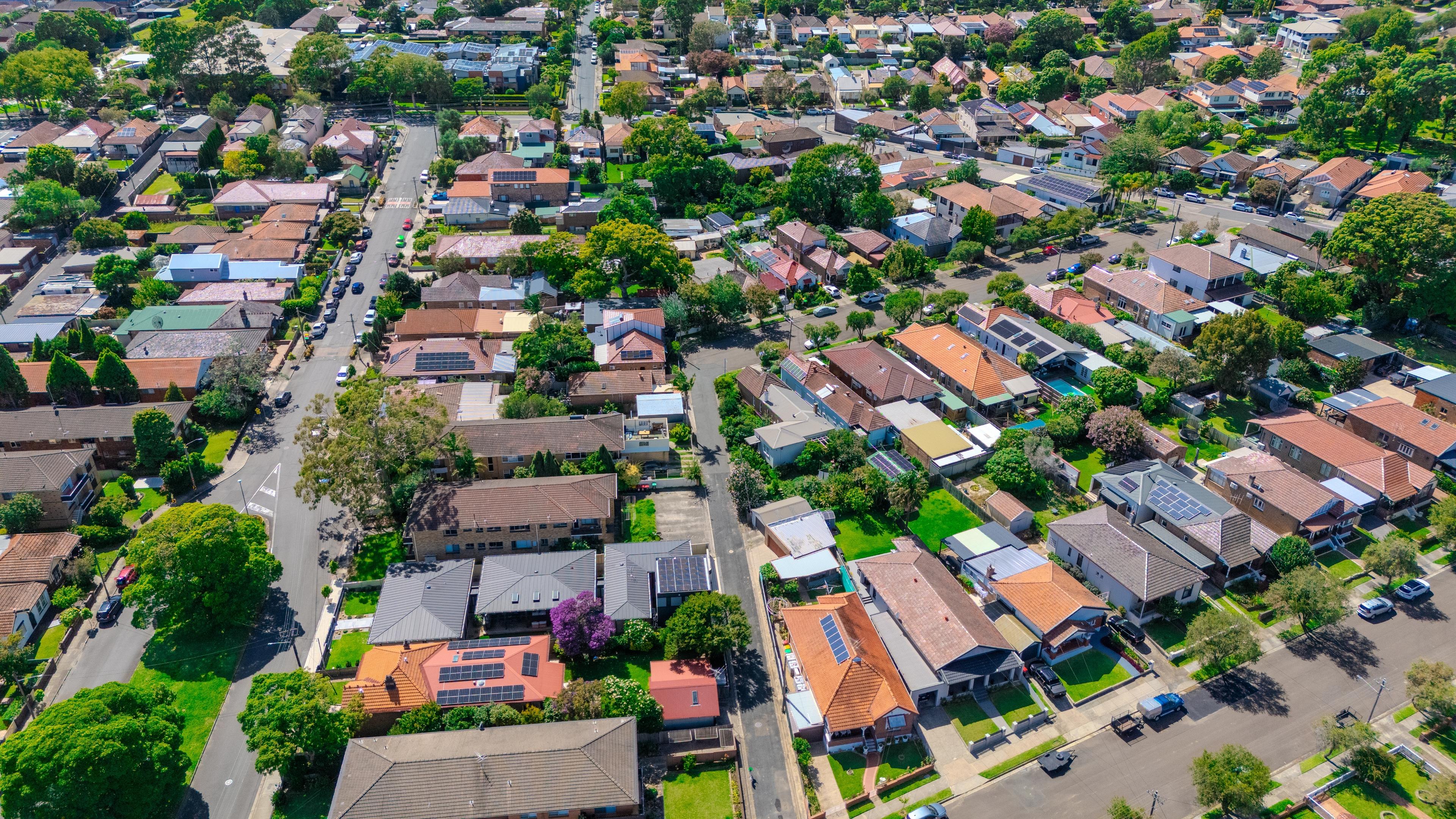
Council-run local home energy upgrade program launched in 2013 by the City of Darebin Council. Supports low-income households, pensioners and renters in the City of Darebin by covering the upfront cost of upgrades and letting households repay through a 10-year, interest-free charge on their rates.
Involved in this program?
Let us know if anything on this page needs updating.
Contact
The Organisation
The Initiative
- Householder
- Renter
- Not-for-profits
- Low-income
- Aged
- Concession card holders
- CALD communities
- Detached
- Townhouse
- Apartment
- Public/social housing
Short overview:
Solar Saver is a council-led rates-based finance and bulk-buy program (2013–2025) providing no-upfront-cost solar PV for eligible households, plus a later bulk-buy stream for other residents and businesses. Council pays the upfront cost of systems (up to a capped amount), and participants repay it through a 10-year, interest-free special charge on their rates, alongside a bulk-buy option where households pay upfront but benefit from vetted products and pricing. The program targets low-income and pensioner households first, then expands to a wider group and a tenant stream, aiming to cut bills and emissions and catalyse similar schemes in other councils.
Future intentions:
Solar Saver closed in June 2025. No successor program has been announced. Its rates-finance approach was trialled through a multi-council pilot led by the Eastern Alliance for Greenhouse Action, but wider replication was limited by council capital, administrative burden and governance requirements.
Resourcing & Delivery Model
Funding Sources
- Public local authority budget
- Public state budget
- Program partner fees
- Council special-charge finance: AUD $10,589,448.57
- Estimated Victorian Government rebates leveraged: AUD $1,833,520.79
- Total cumulative upgrade finance mobilised: ~AUD $12.42 million
- Cumulative program finance, 2013–2025.
- Start-to-finish support
Under the core Rates Program, Darebin Council competitively tendered and contracted private suppliers, paid the upfront system cost, and provided interest-free finance to eligible property owners. Participants repaid the principal over 10 years through a Special Rates Charge attached to the property. Council acted as public lender, procurement manager and trusted intermediary, while private suppliers designed, installed and warranted the systems. Victorian rebates and Federal STCs reduced installation costs where available. A separate Solar Saver Bulk Buy stream enabled households and small businesses to purchase council-vetted systems upfront without Council finance.
Partner Roles & Collaboration
- Suppliers/installers
- State government actors
- Community organisations
- Research institutes
- Peak bodies
Community Participation Modes
- Dissemination of information & education
- Consultation (workshop, surveys)
- Joint implementation
City of Darebin leads program design, finance, procurement and administration, including special charge resolutions, contracts with installers and ongoing customer service. Installers design and install systems, conduct site visits and provide performance warranties under council-managed contracts. Federal and Victorian governments provide STCs and Solar Homes rebates that are integrated into quotes. Community organisations (e.g. local neighbourhood houses, social-service agencies) and peak bodies promote the program to vulnerable residents and support sign-ups. Research institutes and alliances (ISF/UTS, greenhouse alliances, Solar Savers consortium) trial business-model modifications, evaluate outcomes and share lessons with other councils.
Actions & Upgrades
- Bulk buy (past)
- Rebates (past)
- Loans (past)
- Discounts (past)
- Workshops (past)
- Online information
- Individual advice / consultation (past)
- Product vetting (past)
- Supplier vetting (past)
- Support accessing other programs (past)
- Tailored support for vulnerable households (past)
Outcomes & Impact
CO₂ Emission Savings
- Council-reported program estimate: around 12,000 tCO₂-e avoided annually, reported in 2022 after more than 1,800 residents installed solar through Solar Saver.
- Historical planning scenario: Darebin’s 2017 Draft Climate Emergency Plan estimated that a proposed 11,000 kW Solar Saver expansion could reduce community emissions by approximately 14,150 tCO₂-e annually (1.23% of community emissions).
Energy Bill Cost Savings (annual)
- Estimated household savings: AUD $100–$1,400 per year after Special Charge repayments, depending on system size and electricity use.
- A post-evaluation of earlier Solar Saver rounds reported a 55% increase in households being more comfortable using air-conditioning during hot periods.
- In 2024–25, 108 disadvantaged people were directly supported through 108 home solar systems to reduce energy bills and/or improve home comfort and heat-stress management.
- Reduced bill stress, improved indoor health and greater energy security.
- Equity benefit: at least 1,192 Solar Saver contracts involved households meeting targeted eligibility criteria, including pensioners, low-income households, social-housing residents, CALD households and people experiencing disadvantage or discrimination.
- The program provided interest-free, rates-based finance to improve access to solar for households facing upfront-cost barriers.
- Qualitative benefit: Council’s buyer-advocate role, supplier vetting and participant support helped households understand the program, assess quotes and make informed solar decisions.
- Participants identified confidence in Council’s supplier due diligence and access to information as important reasons for participation.
Key Insights
Lessons Learned
- A council-backed, interest-free loan can unlock solar for residents who are otherwise shut out of the private finance market.
- Independent vetting of installers and products is crucial to protect vulnerable households and maintain political support.
- Program design needs to evolve with policy and market changes (e.g. integration of state rebates, adding bulk-buy and renter streams).
- The model inspired the Solar Savers program now run across many Victorian councils, but other councils have found rates-based finance hard to replicate because it needs council capital, administrative capacity and political commitment.
Barriers
- Limited staff capacity and administrative burden in managing special charge resolutions, procurement, and customer support.
- Challenges engaging landlords and scaling the renter stream (split incentives remain).
- Rising install costs and changing rebate rules complicate maintaining “bill-positive from day one” savings for all households.
- Some households remain hesitant about council-managed finance or have unsuitable roofs, limiting reach.
Enablers
- Strong political leadership via Darebin’s climate emergency declaration and zero-emissions targets.
- Access to low-cost council borrowing and ability to recover costs via rates.
- Partnerships with installers, community organisations and research institutes.
- Alignment with State and Federal incentives (Solar Homes, STCs) to boost affordability.
Local Solutions
- Place-based design using the council's rates mechanism.
- Tailored outreach to CALD and low-income residents.
- Later inclusion of heat-pump hot water and split-system cooling to address heat-vulnerability.
Knowledge Sharing
- Solar Saver features in case studies and research on community solar and local-government climate finance. Darebin works with greenhouse alliances and the multi-council Solar Savers program to share procurement processes, legal templates and lessons.
Needs & Support Requirements
- Stable, long-term State and Federal co-funding to sustain and expand delivery.
- Streamlined regulatory and approval processes for Special Rates Charge schemes.
- Dedicated funding for renter-focused pilot programs.
- Shared services or regional delivery hubs to reduce administrative burden on individual councils.
Data Collection & Sources
Data was collected over the period July 2025 – June 2026. Data collection involved desktop research.
Information sources used:
- https://www.darebin.vic.gov.au/solar-saver (Darebin City Council – Solar Saver webpage)
- https://www.darebin.vic.gov.au/files/assets/public/v/1/waste-environment-and-climate/documents/darebin-solar-saver-rates-program-faqs-september-2024.pdf (Darebin City Council – Solar Saver Rates Program FAQs, September 2024)
- https://www.darebin.vic.gov.au/files/assets/public/v/1/waste-environment-and-climate/documents/externalfaqbulkbuydec2023.pdf (Darebin City Council – Solar Saver Bulk Buy FAQs, December 2023)
- https://www.caceonline.org/uploads/1/2/7/5/12758111/draftdarebinclimateemergencyplan2017.pdf (Darebin City Council – Draft Climate Emergency Plan 2017)
- https://c4ce.net.au/nces/wp-content/uploads/2015/04/Appendix-E_Behind-the-Meter-Community-Solar-Combined_FINAL.pdf (Coalition for Community Energy and Institute for Sustainable Futures, UTS – Behind the Meter: Community Solar Models)
- https://www.darebin.vic.gov.au/files/assets/public/v/1/about-council/documents/agenda-18december2017print.pdf (Darebin City Council – Council meeting agenda, 18 December 2017)
- https://www.darebin.vic.gov.au/files/assets/public/v/1/about-council/documents/performance/council-plan/council-plan-action-plan-2024-25-q4-progress-report.pdf (Darebin City Council – Council Plan Action Plan 2024–25, Q4 Progress Report)