Electrify Armidale
Energy Advice and Support for Everyone Armidale
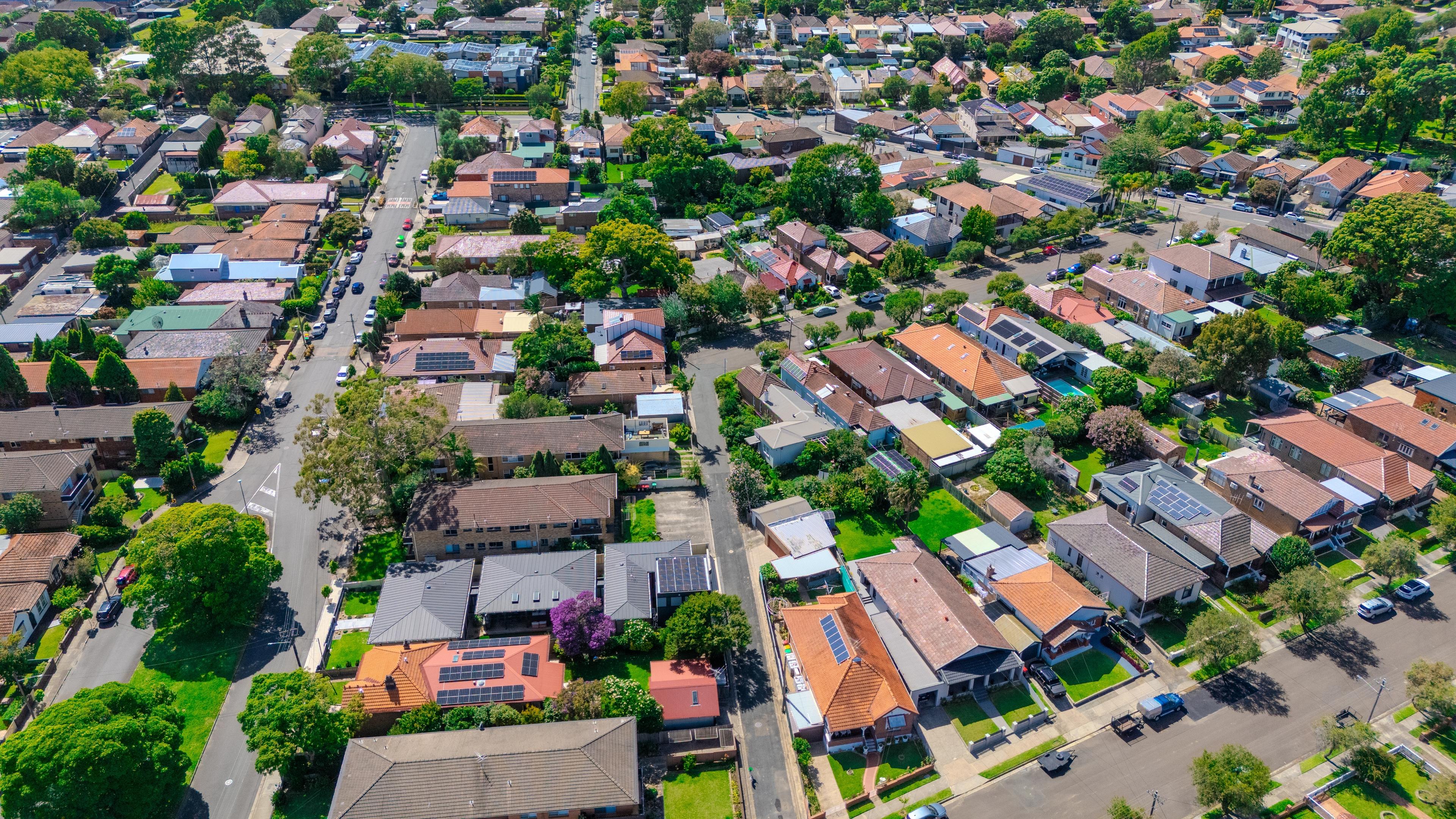
Community-led energy outreach program launched in 2026 by Electrify Armidale, auspiced by Armidale Uniting Church. Supports vulnerable households across the Armidale region by running workshops and pop-ups, offering in-home support and volunteer help, and connecting people with trusted energy advice and referral pathways.
Involved in this program?
Let us know if anything on this page needs updating.
Contact
Name
Trevor Brown
The Organisation
The Initiative
- Householder
- Renter
- Low-income
- Aged
- Disabled
- CALD communities
- Indigenous communities
- Other (households living in poor-quality, cold or inefficient housing, and households experiencing energy stress or needing support to access rebates, advice and practical upgrades).
- Detached single
- Public/social housing
- Other (private rental properties; older or poorly performing homes)
Short overview:
Energy Advice and Support for Everyone (EASE) Armidale is a community-led outreach and support program that helps households facing energy stress take practical steps to improve home comfort, reduce bills and make better-informed energy choices. The program is delivered through Electrify Armidale, an action group of Sustainable Living Armidale, in partnership with Armidale Uniting Church, Armidale Regional Council, Energy Upgrades for Australian Homes, community service partners, volunteers and other local collaborators.The program recognises that many vulnerable households are excluded from the benefits of electrification, energy efficiency and renewable energy because of cost, rental status, poor housing quality, limited time, confusing information, health needs or lack of access to trusted advice. The program combines community workshops, pop-up information sessions, practical in-home support, bill and rebate advice, low-cost comfort measures and referrals to trusted services.
Its practical focus is on helping people understand what will make the biggest difference in their own homes, including draught proofing, curtains and pelmets, warm clothing, efficient heating and cooling, hot water, cooking, solar, batteries, appliance replacement, energy plans and available rebates. The program is designed to be relational, local and flexible, with support adapted to the needs of different households and communities.
Future intentions:
The program is intended to develop a replicable local support model for equitable household energy upgrades in a cold-climate regional community. It will move from initial co-design and setup into volunteer training, community engagement, in-home and community-based support, monitoring and evaluation, and shared learning. Future scaling will depend on sustained funding, stronger referral relationships with community service organisations, and the ability to connect vulnerable households with affordable products, rebates, installers and other practical delivery pathways. A further intention is to demonstrate how a community electrification initiative can work alongside local churches, councils, research partners and social service organisations to reach households that are unlikely to attend conventional sustainability events or seek commercial advice.
Resourcing & Delivery Models
Funding Sources
- Public state budget
- Volunteering
- Other (in-kind support from program partners)
- Approximately AUD 100,549 through the Inclusive Energy Outreach Program
- Personal advice and assessments
The program combines trusted community outreach with tailored household support, including in-home energy support where appropriate and safe, to help vulnerable households navigate energy decisions and possible upgrade pathways. Trained volunteers operate under supervision, safeguarding and referral processes. The program connects households to external advice, services, rebates and installers.
Partner Roles & Collaboration
- Local Government Actors
- Community organisations
- Research Institutes
- Other service providers
Community Participation Modes
- Co-planning
- Dissemination of information and education
- Consultation (e.g. workshop, surveys)
- Joint implementation
- Other (trained volunteer household support)
Electrify Armidale leads local outreach, energy literacy, communications and volunteer engagement, operating as an action group of Sustainable Living Armidale. Armidale Uniting Church provides auspice, governance, safeguarding, facilities and mission alignment. Armidale Regional Council and community-service organisations support local connections and trusted referral pathways. Energy Upgrades for Australian Homes (EUAH) and research partners support co-design, monitoring and evaluation. Households are referred to external energy advisers, installers and service providers as needed.
Actions & Upgrades
- Currently none
- Workshops
- Online information
- Individual advice / consultation
- Support accessing other programs
- Tailored support for vulnerable households
Outcomes & Impact
Social Benefits
- Supports vulnerable households to navigate energy decisions through trusted local networks and intermediaries.
- Links household energy support with affordability, thermal comfort, health, dignity and resilience.
- Provides practical, community-based support for households experiencing energy stress.
Capacity Building
- Builds household understanding of energy bills, retail plans, rebates, low-cost comfort measures and upgrade priorities.
- Builds volunteer and community-partner capacity to provide household guidance and trusted referrals.
- Develops a locally adaptable support model for vulnerable households through partnerships, training and local networks.
Key Insights
Lessons Learned
- Vulnerable households need more than information. Many households need trusted support, follow-up and help translating general advice into practical decisions for their own home.
- Energy stress is connected to housing quality, health, rental status and social vulnerability. The program therefore needs to be flexible rather than technology-led.
- Low-cost comfort measures can be an important entry point. Draught proofing, curtains, pelmets, warm clothing pathways and heating advice can make a practical difference while larger upgrades are explored.
- Trusted intermediaries are essential. Households that are least likely to seek commercial energy advice are often best reached through service organisations, local institutions and people they already trust.
- Decision complexity is a major barrier. Households may need help with sequencing, comparing options, identifying what is safe and suitable, and understanding which changes are within their control.
- Community-led electrification must include renters and low-income households. Without targeted support, the benefits of the energy transition will continue to flow mainly to households with capital, ownership and time.
Barriers
- Limited household capacity to pay for upgrades, even when the long-term benefits are clear
- Rental and split-incentive barriers where tenants pay energy bills but landlords control major upgrades
- Poor-quality housing, cold-climate conditions and older buildings that require tailored advice
- Complexity of energy markets, rebates, quotes, technologies and installer choices
- Need for careful safeguarding, volunteer training and risk management for in-home support
- Resource-intensive engagement with priority cohorts, especially where trust needs to be built over time
- Dependence on time-limited grant funding for coordination, evaluation and continuity.
Enablers
- Inclusive Energy Outreach funding enables dedicated coordination and a structured program model
- Electrify Armidale brings local energy knowledge, community credibility and established networks
- Armidale Uniting Church provides a key auspice and governance role, financial administration, mission leadership, safeguarding processes, local facilities, volunteer networks and trusted community relationships
- Armidale Regional Council provides community networks and practical local knowledge
- Energy Upgrades for Australian Homes and research partners support co-design, training, evaluation and evidence-based program development
- Community service partners provide trusted pathways to households experiencing energy stress
Local Solutions
- Designing support around Armidale's cold winters, older housing stock and high need for thermal comfort
- Using trusted community spaces, especially Armidale Uniting Church facilities and other community venues, for workshops, drop-ins, volunteer training and referral-based household support
- Connecting low-cost measures with longer-term electrification and renewable energy pathways
- Working through organisations that already support renters, seniors, Aboriginal households, culturally diverse communities and people in poor-quality housing
- Building a local volunteer model that can help households move from concern to practical next steps
- Linking climate action with the mission of Armidale Uniting Church, including practical care, health, affordability, neighbourliness and community resilience.
Knowledge Sharing
- The program draws on knowledge from community electrification campaigns, Energy Upgrades for Australian Homes, Community Power Agency, Rewiring Australia, local government, social service partners and the lived experience of households in the Armidale region.
Needs & Support Requirements
- Sustained coordination capacity to manage partnerships, volunteers, household follow-up, risk management and reporting
- Ongoing funding for continuity, evaluation and scaling beyond the initial grant period
- Practical referral pathways to affordable products, installers, energy advice, rebates and social support
- Stronger collaboration with housing providers, landlords and property managers to address rental barriers
- Culturally appropriate engagement and partnerships with Aboriginal and culturally diverse community organisations
- Clear safeguarding, training and supervision for volunteers providing household support
- Data collection systems that can measure outcomes such as improved comfort, reduced stress, increased energy literacy and completed actions.
Data Collection & Sources
Data was collected over the period December 2025 – June 2026. Data collection involved desktop research and an interview with a program representative. All data was validated by a program representative.
Information sources used:
- https://slarmidale.org/project/electrify-armidale (slarmidale.org)
- https://slarmidale.org/2025/03/20617 (slarmidale.org)
- https://www.armidale.nsw.gov.au/Our-region/Events/Home-Energy-Upgrades-for-Comfort-and-Every-Budget (Armidale Regional Council)
- https://frrr.org.au/blog/2025/01/29/clcs-r2-recipients/ (FRRR)
- https://cpagency.org.au/resource/video-and-slides-renewable-energy-storage-for-the-home/ (Community Power Agency)
- https://www.facebook.com/groups/electrifyarmidale/ (Facebook)
- https://slarmidale.org/about (Electrify Armidale workshop transcript)
- Interview with program representative (conducted on 18/2/2026; content updated on 3/6/2026)