Geelong Sustainability
Electric Homes Program
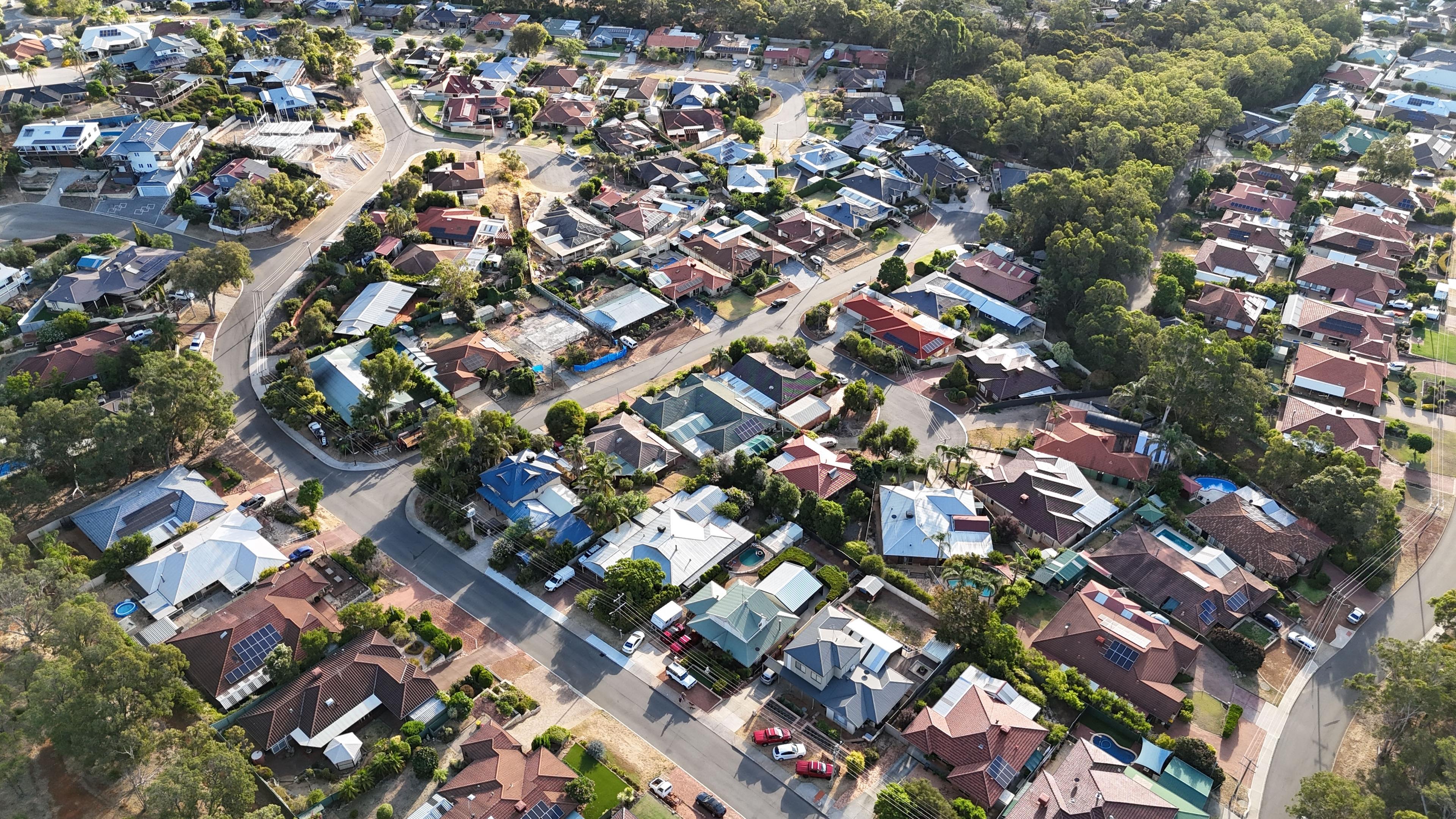
Community-led regional home energy upgrade program launched in 2023 by Geelong Sustainability. Supports households across Victoria's G21 region by curating upgrade options and connecting homeowners and renters with vetted installers.
Involved in this program?
Let us know if anything on this page needs updating.
Contact
Name
Karina Donkers
The Organisation
The Initiative
Householder
Renter
- Detached single
- Townhouse
- Apartment
Short overview:
Community-led regional home energy upgrade program launched in 2023 by Geelong Sustainability to support households in the G21 region to transition toward all-electric and more efficient homes. The 2023 pilot round focused on core electrification technologies including solar PV, batteries, heat-pump hot water and efficient heating/cooling systems. The 2024 round expanded the program to include home energy audits, insulation and draught-proofing to support whole-of-home energy improvements. In 2025 the program broadened its scope to include electric vehicles and electric bikes and shifted its engagement strategy from large central events to outreach through community organisations, markets and workplaces.
Future intentions:
The program continues to evolve through iterative annual rounds, expanding both the range of technologies offered and the methods used to engage households. Future development is expected to broaden the initiative from a primarily electrification-focused program toward a more holistic “sustainable homes” approach, incorporating climate resilience, comfort improvements, and water efficiency through partnerships such as a collaboration with Barwon Water. The program is also exploring adjustments to its delivery model, including wider supplier panels and stronger education and decision-support mechanisms (e.g., concierge-style guidance) to help households navigate upgrade choices. These adaptations aim to increase program reach, engage new audiences, and support more comprehensive household sustainability improvements.
Resourcing & Delivery Model
Funding Sources
- Public local authority budget
- Referral fees from delivery partners
- In-kind communications support from delivery partners
- Group buying and discounts
Geelong Sustainability coordinates the program by procuring and contracting delivery partners through a competitive process and acting as an intermediary between households and suppliers. Rather than offering upgrades directly, the program curates upgrade options, provides information and engagement activities, and connects interested households with vetted suppliers who deliver installations and contract directly with customers. Suppliers report on leads and installations and pay referral fees for completed upgrades, which helps support program operations. Core program coordination is supported through council grant funding, while supplier collaboration and referral payments contribute to sustaining program delivery. This model allows the organisation to reduce household transaction barriers while maintaining independence from specific technology providers.
Partner Roles & Collaboration
Suppliers/Installers
Local government actors
Community organisations / NGOs
Research institutes
Energy assessors
Community Participation Modes
Dissemination of information & education
Consultation (e.g. workshop, surveys)
Joint implementation (households select products and work with installers)
Citizen oversight (through feedback surveys and partner meetings)
Geelong Sustainability leads program design, supplier procurement, community engagement and overall coordination. Participating local councils provide grant funding and support the program locally. Delivery partners (suppliers/installers) are selected through a procurement process and contracted to deliver specific upgrade streams. These partners collaborate with the program by supporting community events and communications, providing expert advice to households, delivering installations, and paying referral fees for completed upgrades. They also provide detailed reporting on expressions of interest, quotes and completed installations to support program monitoring. Community groups promote the program through their networks and events. UTS and Monash researchers support survey design, evaluation and learning as part of the EUAH project, with RACE for 2030 providing research funding and dissemination.
Actions & Upgrades
- Bulk buy
- Discounts
- Home energy assessments
- Workshops
- Online information
- Individual advice / consultation
- Product vetting
- Supplier vetting
- Support accessing other programs
Outcomes & Impact
CO₂ Emission Savings (annual)
Energy Bill Cost Savings (annual)
Economic Value Creation
Household Comfort
Household Well-being
Social Benefits
Capacity Building
Key Insights
Lessons Learned
- Combining multiple engagement approaches improves community reach. Experience showed that relying only on large central events was insufficient; effective engagement requires both major events that attract interested households and outreach activities where program organisers go directly to community spaces and engage with community organisations.
- Program messaging needs to extend beyond climate or electrification narratives. Communicating benefits such as comfort, health, wellbeing and household energy cost savings helps reach a broader audience than focusing only on climate action or energy efficiency.
- Delivery partners play a critical role in program success. Suppliers install technologies and also help households navigate electrification and understand different upgrade options.
- Maintaining stable relationships with delivery partners improves program delivery. Working with the same suppliers across multiple program rounds strengthened collaboration and efficiency because partners were already familiar with the program processes and expectations.
- Clear reporting and monitoring systems are necessary but challenging to implement. Collecting accurate data on enquiries, quotes and completed upgrades from delivery partners proved difficult, highlighting the need for stronger – or more simple - reporting processes to understand program outcomes.
- External research and advisory support can help refine program design and messaging. Ongoing guidance and messaging support from the RACE research team contributed to improving program communication and understanding program impacts over time.
- Programs benefit from iterative learning and annual refinement. The initiative has evolved each year based on previous experiences, adjusting engagement strategies, messaging and delivery approaches.
- Developing a sustainable funding model remains an ongoing challenge. The program continues to adjust its structure each year in an effort to identify financially sustainable ways to maintain and scale the initiative.
Barriers
Uncertain and short-term funding creates operational instability. The program relies on annual grants that are confirmed late, making it difficult to maintain staff positions and plan the program strategically over the long term.
Staff turnover linked to funding uncertainty disrupts program continuity. The inability to guarantee ongoing funding has resulted in frequent changes in the program officer role, affecting consistency in delivery and organisational capacity.
Reaching and engaging diverse households requires significant time and effort. Expanding program participation involves considerable outreach work and coordination with community networks, which can be resource-intensive.
Households face difficulty navigating complex upgrade decisions. Many participants struggle to determine where to begin with electrification upgrades, particularly when multiple technology options are presented.
High upfront costs remain a major barrier to participation. Financial constraints limit the ability of many households to proceed with home energy upgrades, even when they are interested in the program.
Decision-making timelines for households can slow program uptake. Some households take considerable time to decide which upgrades to undertake, while others make rapid decisions only when an appliance fails, limiting opportunities for more strategic upgrades.
Limited pre-decision guidance for households can create confusion about upgrade priorities. Some participants register interest in multiple technologies without clear understanding of what is most suitable for their homes, indicating a need for earlier education and decision support.
Participation tends to be higher among homeowners, while renters, younger households and lower-income groups are less likely to participate due to financial, tenancy or decision-making constraints
Enablers
Trusted suppliers and capable delivery partners support program credibility and delivery. The program relies on carefully selected delivery partners who provide technical expertise, quality installations and support to households throughout the upgrade process. Their reliability and engagement help households navigate electrification options and ensure that upgrades are delivered effectively.
Strong organisational reputation builds community trust. Geelong Sustainability’s long-standing presence and recognition in the region enables the program to engage households more easily, as residents are more likely to participate in initiatives delivered by a trusted local organisation.
Active community engagement helps connect the program with households. The program’s community outreach and engagement activities support awareness and participation by bringing information about electrification and home upgrades directly to local audiences.
Clear product selection simplifies participation. Providing a defined range of upgrade technologies helps households understand the available options and reduces confusion about where to begin when considering electrification upgrades.
Transparent pricing and product quality increase confidence in the program. Being open about product pricing and quality helps households make informed decisions and builds trust in the program’s recommendations.
Local Solutions
Supplier capacity within the local market influences program design. Experience from the pilot phase showed that delivery partners needed sufficient capacity to handle demand for upgrades. As a result, the program adjusted its evaluation and partner selection processes to ensure suppliers were capable of managing fluctuating demand.
Strong local institutional presence supports program implementation. Geelong Sustainability’s long-standing presence in the region (around 18 years) contributes to community recognition and trust, which helps facilitate participation and engagement with the program.
Established local networks help reach diverse community audiences. Existing relationships with local councils and community organisations enable the program to access different community groups and expand engagement across the region.
Knowledge Sharing
Program learnings are shared through RACE for 2030 / EUAH research reports, conference presentations, case studies, council networks and community-energy collaborations.
Needs & Support Requirements
Stronger place-based data to support program communication and engagement. Access to neighbourhood-level data on energy technologies (e.g., solar adoption) would help the program communicate progress in a locally relevant way and motivate households by showing what others in their area are doing.
Better evidence on household-level program impacts. Collecting and documenting detailed examples of how upgrades affect individual households—such as energy savings, comfort improvements, or bill reductions—would help demonstrate the benefits of the program and support ongoing promotion.
Storytelling and case studies to illustrate real-world outcomes. Sharing stories of households that have completed upgrades can make the program more relatable and encourage others to participate by showing practical examples of benefits over time.
Expanded educational resources for households. Additional information materials such as fact sheets, guides and videos would help households better understand upgrade options and support informed decision-making.
Targeted guidance for renters and low-cost upgrade actions. Developing tailored information for renters on simple and affordable actions they can take would help broaden the program’s relevance to households who may not be able to undertake major upgrades.
Data Collection & Sources
Data was collected over the period December 2025 – June 2026. Data collection involved desktop research and an interview with a program representative. All data was validated by a program representative.
Information sources used:
Geelong Sustainability – Electric Homes Program 2023 Program Outcomes Report (not published)
RACE for 2030 – Electric Homes Program 2024 final report, draft (not published)
Electric Homes Program – REMPLAN Report – G21 Region – June 2024
Case Study – Geelong Sustainability: Electric Homes Program (draft)
https://electrichomes.com.au/ (Electric Homes Program)
https://www.geelongsustainability.org.au/ (Geelong Sustainability)
https://www.racefor2030.com.au/ (RACE for 2030 CRC)
Interview with program representative (conducted on 10/3/2026)