Geelong Sustainability
Climate Safe Rooms
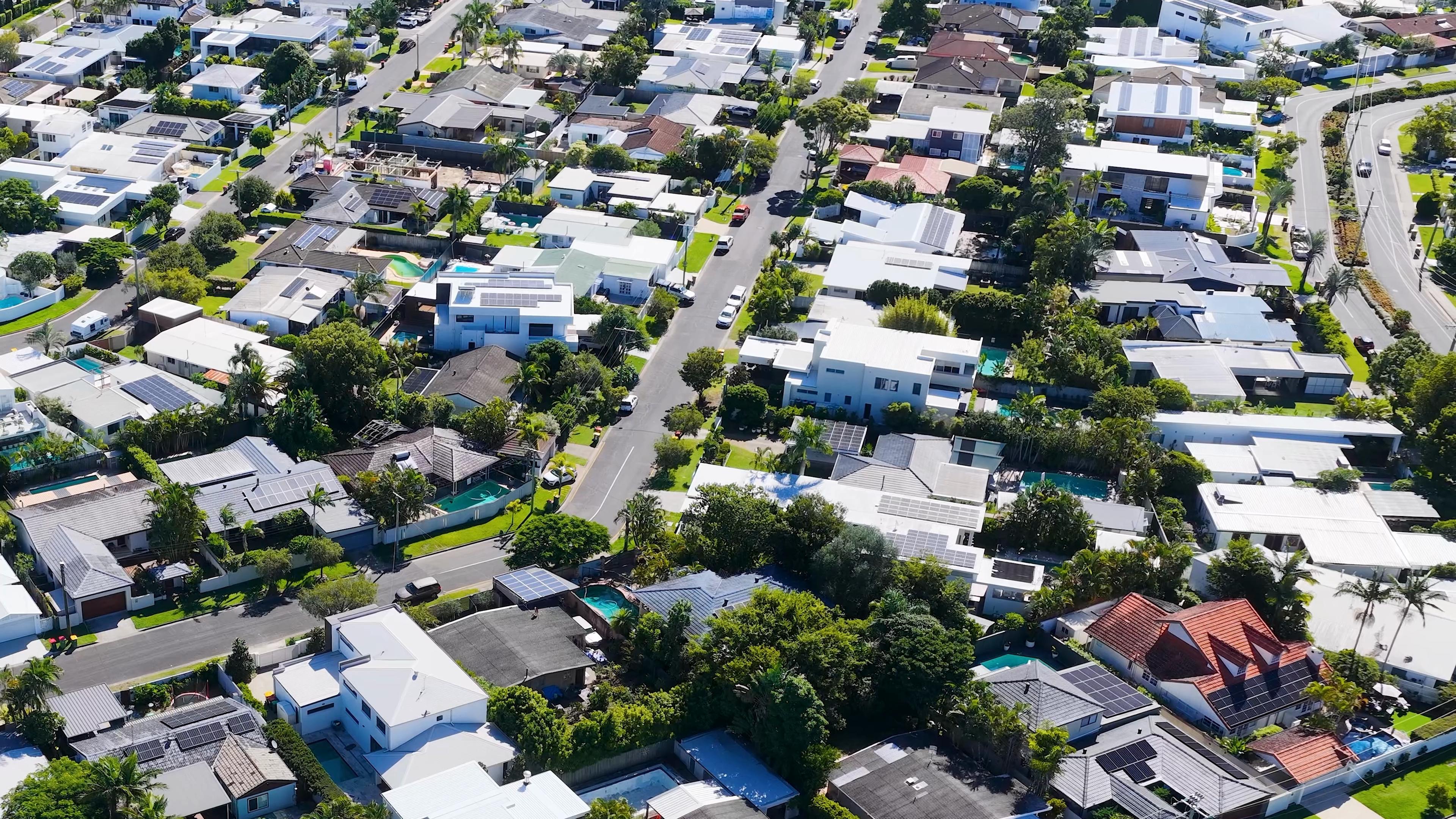
Community-led local home retrofit pilot launched in 2019 by Geelong Sustainability. Supports low-income, health-vulnerable households in the City of Greater Geelong by delivering free upgrades that make one room in each home stay comfortable through extreme heat and cold.
Involved in this program?
Let us know if anything on this page needs updating.
Contact
The Organisation
The Initiative
- Householder
- Renter
- Low-income
- Other (health-vulnerable households)
- Detached
- Townhouse
- Apartment
Short overview:
Climate Safe Rooms provides free energy efficiency upgrades to eligible vulnerable households in the City of Greater Geelong, retrofitting one room per home to stay thermally comfortable through hot summers and cold winters. Upgrades include insulation, draught sealing, efficient reverse-cycle air conditioning, solar PV, energy-efficient lighting, and window and covering improvements, delivering better comfort, lower energy bills, and improved health.
Future intentions:
Geelong Sustainability aims to secure further State and Federal Government funding to scale Climate Safe Rooms to 1,000 retrofits for vulnerable households.
Resourcing & Delivery Model
Funding Sources
- Public state budget
- On average, $7,860 was spent on each of the 16 houses for upgrading
- Direct upgrade delivery
Funded by a Victorian Government grant, the program is run by Geelong Sustainability with partner organisations that provide the technical skills and installation work. Qualifying vulnerable households receive free home upgrades, and the project tracks and evaluates data to measure how well the upgrades perform.
Partner Roles & Collaboration
- Local government actors
- Research institutes
- Community organisations
- Other service providers
- Suppliers/installers
Community Participation Modes
- Dissemination of information & education
- Consultation (surveys)
- Joint implementation
Geelong Sustainability leads the program, handling coordination, outreach, and oversight of retrofit delivery. The City of Greater Geelong provides local support and recruits participants through its care networks, while Uniting supports recruitment through its care services. CSIRO collaborates on research and data monitoring, and ecoMaster delivers the retrofit installations.
Actions & Upgrades
- Home energy assessments
- Online information
- Individual advice / consultation
- Tailored support for vulnerable households
*Counts are for the 2019–2021 pilot only.
Outcomes & Impact
CO₂ Emission Savings
- About 60 tonnes of greenhouse gas emissions avoided per year across the participating houses.
- Meter data showed summer electricity bills fell by more than 45% on average (15 homes); gas use fell by 40% on average in the 8 homes with gas data.
Energy Bill Cost Savings (annual)
- Average household savings were approximately $1,462 per year (health and energy costs combined).
- In a survey of 12 participants, average comfort scores rose 33% in winter (without a heater) and 100% on hot days, and participants reported fewer days of discomfort.
- Participants reported reduced depression, anxiety, pain, and discomfort.
Key Insights
Lessons Learned
- Retrofit programs for vulnerable households need time, trust, and sustained engagement, especially when offers are free, and rely on trusted intermediaries such as local councils and community care workers for successful recruitment.
- Tailored home assessments (e.g. NatHERS) are critical for prioritising the upgrades that deliver the greatest comfort and energy benefit within limited budgets, since there is no one-size-fits-all model and each home needs a customised plan.
- Retrofit programs are labour-intensive, requiring dedicated staff for coordination, communication, and quality control.
- Clear, ongoing energy-use education is needed alongside physical upgrades to support health and comfort outcomes.
- Data collection (energy bills, weather data, sensor data) must be planned from the start to avoid gaps and added costs later.
Barriers
- Slow participant recruitment, driven by distrust of offers that seemed too good to be true.
- Limited availability of specialised energy-efficiency trades, worsened by COVID-19 disruptions.
- Heavy coordination workload across multiple trades, site visits, and participant schedules, compounded by unresponsive contractors.
- Data gaps from participants who did not retain energy bills and from temperature sensors with inconsistent readings.
- Some participants prioritised saving money over health, limiting effective use of heating and cooling systems.
Enablers
- Victorian Government grant funding, which allowed upgrades to be delivered at no cost to households.
- Strong partnership with the City of Greater Geelong and community care organisations, which improved recruitment and trust.
- Use of NatHERS assessments to guide cost-effective upgrade decisions.
- Contractors with strong communication skills, which reduced delays and coordination problems.
- Behaviour-change support from Uniting energy experts, complementing the physical upgrades.
Local Solutions
- A single-room retrofit model that delivered meaningful comfort improvements at lower cost than whole-home retrofits.
- Centralised coordination by dedicated staff to manage audits, retrofit planning, trade scheduling, and quality checks.
- Prioritising upgrades by thermal comfort impact rather than energy savings alone.
- Non-digital communication (phone, letters, face-to-face), with flexibility to work through carers or family members where appropriate.
Knowledge Sharing
- Program outcomes, data and lessons were published in an executive summary and final report to inform replication and scaling of retrofit programs for vulnerable households. CSIRO is analysing the collected data, including sensor data, to support broader research, and the project's insights feed into wider discussions on energy equity, retrofit delivery models, and workforce needs.
Needs & Support Requirements
- Substantial government funding to scale the program.
- Policy incentives for energy efficiency in vulnerable households.
Data Collection & Sources
Data was collected over the period July 2025 – June 2026. Data collection involved desktop research.
Information sources used:
- https://www.geelongsustainability.org.au/project/climate-safe-rooms-pilot-program/ (Climate Safe Rooms Pilot Program (project overview))
- https://www.geelongsustainability.org.au/wp-content/uploads/2023/09/Climate-Safe-Rooms-Executive-Summary-Sep-2023.pdf (Climate Safe Rooms Executive Summary (Sep 2023))
- https://www.geelongsustainability.org.au/wp-content/uploads/2023/11/Climate-Safe-Rooms-Final-Report-Sep-2023.pdf (Climate Safe Rooms Findings and Final Report (Sep 2023))