Gippsland Climate Change Network
Community Electrification Engagement Program
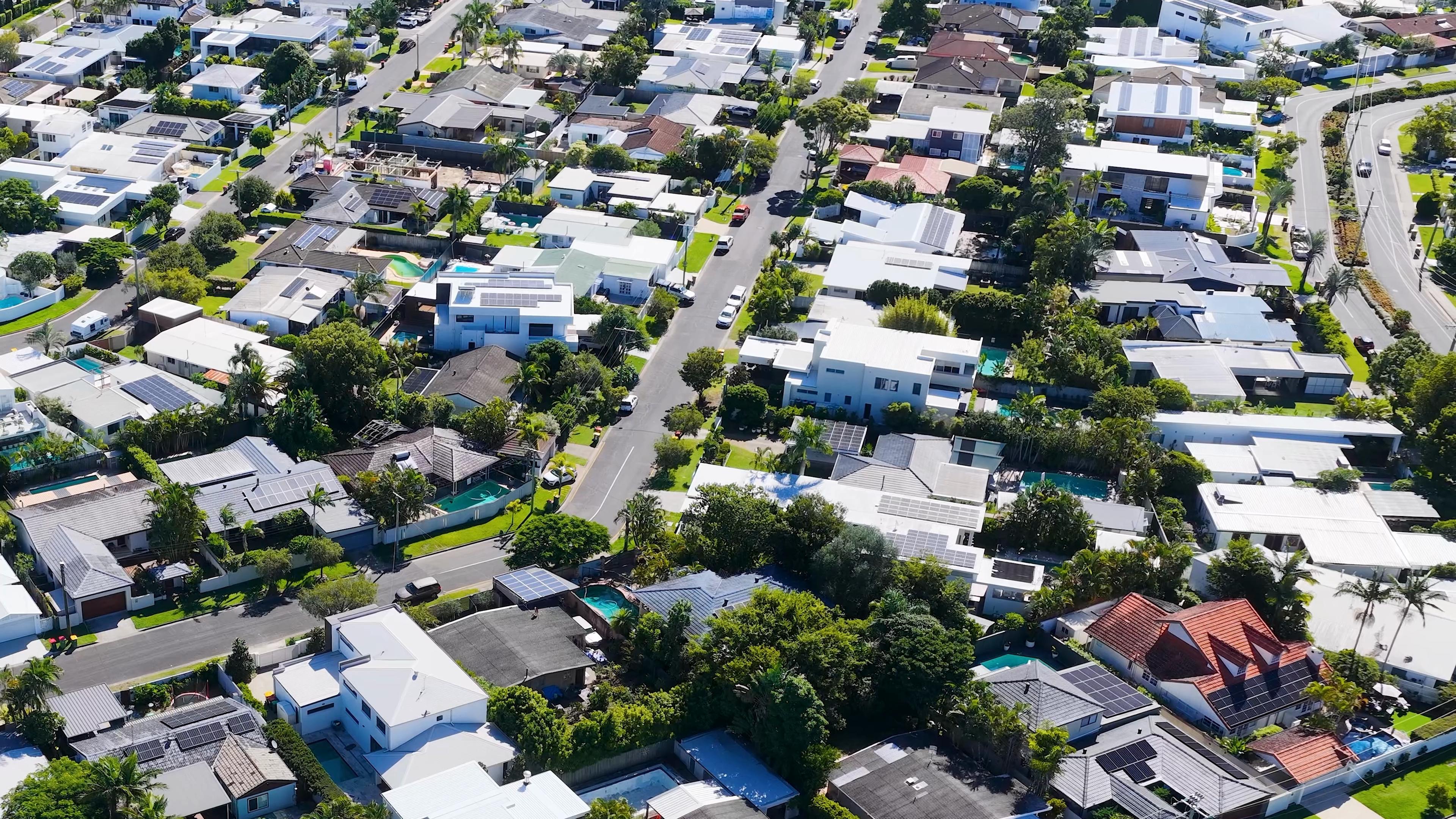
State-funded, place-based household electrification engagement program delivered by Gippsland Climate Change Network across regional Gippsland since October 2025. It brings practical electrification information and mobile demonstrations into local communities, helping households understand options, ask questions and take informed next steps.
Involved in this program?
Let us know if anything on this page needs updating.
Contact
Name
Chris Barfoot
The Organisation
- Wellington Shire
- Latrobe City
- South Gippsland Shire
The Initiative
- Householder
- CALD communities
Short overview:
CEEP in Gippsland is a Sustainability Victoria-supported, GCCN-delivered regional home-electrification education and engagement program. It uses workshops, presentations, markets, community events, online communication and the Electrification Van to provide practical information and demonstrations. Staff provide general guidance, signpost participants to Victorian Government information and incentives, and connect them with local installers for detailed advice and quotations.
Future intentions:
CEEP expanded in March 2026 through GCCN’s Electrification Van, which can be booked for schools, community events and local-council activities. Continued outreach includes community festivals, local sustainability-group events and targeted engagement with culturally and linguistically diverse participants.
Resourcing & Delivery Model
Funding Sources
- Public State Budget
- $111,000
- Information and self-help
Sustainability Victoria, on behalf of the Victorian Government, funds the CEEP program, and GCCN delivers place-based electrification engagement through events, workshops, stalls, newsletters and local discussions. Community members interact by attending events, asking questions, receiving general electrification information, and being directed to external government programs or local installers.
Partner Roles & Collaboration
- State Government Actors
- Community organisations / NGOs
Community Participation Modes
- Dissemination of information & education
Sustainability Victoria, on behalf of the Victorian Government, funded the Community Electrification Engagement Program and contracted GCCN to deliver place-based electrification engagement in Gippsland. GCCN delivered workshops, presentations, stalls, demonstrations, newsletters and informal community conversations. Local sustainability and community groups supported outreach and event delivery. Participants were directed to external Victorian Government resources and incentives, including Victorian Energy Upgrades (VEU), Solar Victoria and State Electricity Commission (SEC) information, and where appropriate to local providers for quotes or technical follow-up.
Actions & Upgrades
- Workshops
- Online information
- Individual advice / consultation
- Support accessing other programs
Outcomes & Impact
- CEEP connected with more than 10,000 community members across Gippsland and directly engaged more than 1,200 people in conversations about home electrification, energy efficiency and getting off gas.
- Reported capacity-building activities included workshops, presentations, stalls, informal discussions, social media posts and newsletter communication.
- The program provided community-facing information on home electrification, Victorian Energy Upgrades, Solar Victoria and State Electricity Commission resources.
- A regional newsletter was distributed to approximately 1,000 stakeholders across Gippsland.
Key Insights
Lessons Learned
- Delivering information through trusted local organisations and community events encouraged open discussions about electrification.
- Many participants expressed interest in finding further information and seeking local trades for electrification quotes.
Barriers
- Participant concerns about electricity-network reliability.
- Upfront costs of electrification.
- Strong attachment to gas cooking.
Enablers
- Regular social-media posts extended program communication beyond face-to-face events.
- A regional newsletter supported wider program communication across Gippsland.
Local Solutions
- Distributed, place-based engagement reaches smaller Gippsland communities as well as larger regional centres, delivered through local workshops, markets, festivals, community gatherings and sustainability groups rather than concentrated in one location.
- From March 2026, the Energise Gippsland Electrification Van has provided a mobile resource for demonstrations and practical household-electrification information at schools, community events and local-council activities.
Knowledge Sharing
- The program shares Victorian Government electrification information with participants, including Victorian Energy Upgrades rebates, Solar Victoria information and State Electricity Commission resources.
Key Needs and Support
- Clear information on where to start with household electrification, including step-by-step pathways for moving a home away from gas.
- Information on expected costs, savings and payback periods.
- Information that responds to concerns about network reliability, upfront costs and replacing gas cooking.
Data Collection & Sources
Data was collected over the period December 2025 – June 2026. Data collection involved desktop research and an interview with a program representative. All data was validated by a program representative.
Information sources used:
- https://www.gccn.org.au/engage_gippsland (Gippsland Climate Change Network – Engage Gippsland)
- https://www.gccn.org.au/ (Gippsland Climate Change Network – website)
- https://www.gccn.org.au/partnered-programs (Gippsland Climate Change Network – Partnered programs)
- https://www.sustainability.vic.gov.au/grants-funding-and-investment/funded-grants/community-electrification-engagement-program (Sustainability Victoria – Community Electrification Engagement Program)
- Community Electrification Engagement Program Report (Program activity outputs, participant reach, barriers, lessons and future engagement priorities – provided by program representative during validation)
Interview with program representative (conducted on 12/3/2026) and validation done on 24/3/2026