Goulburn Murray Climate Alliance
Goulburn Murray Solar Savers
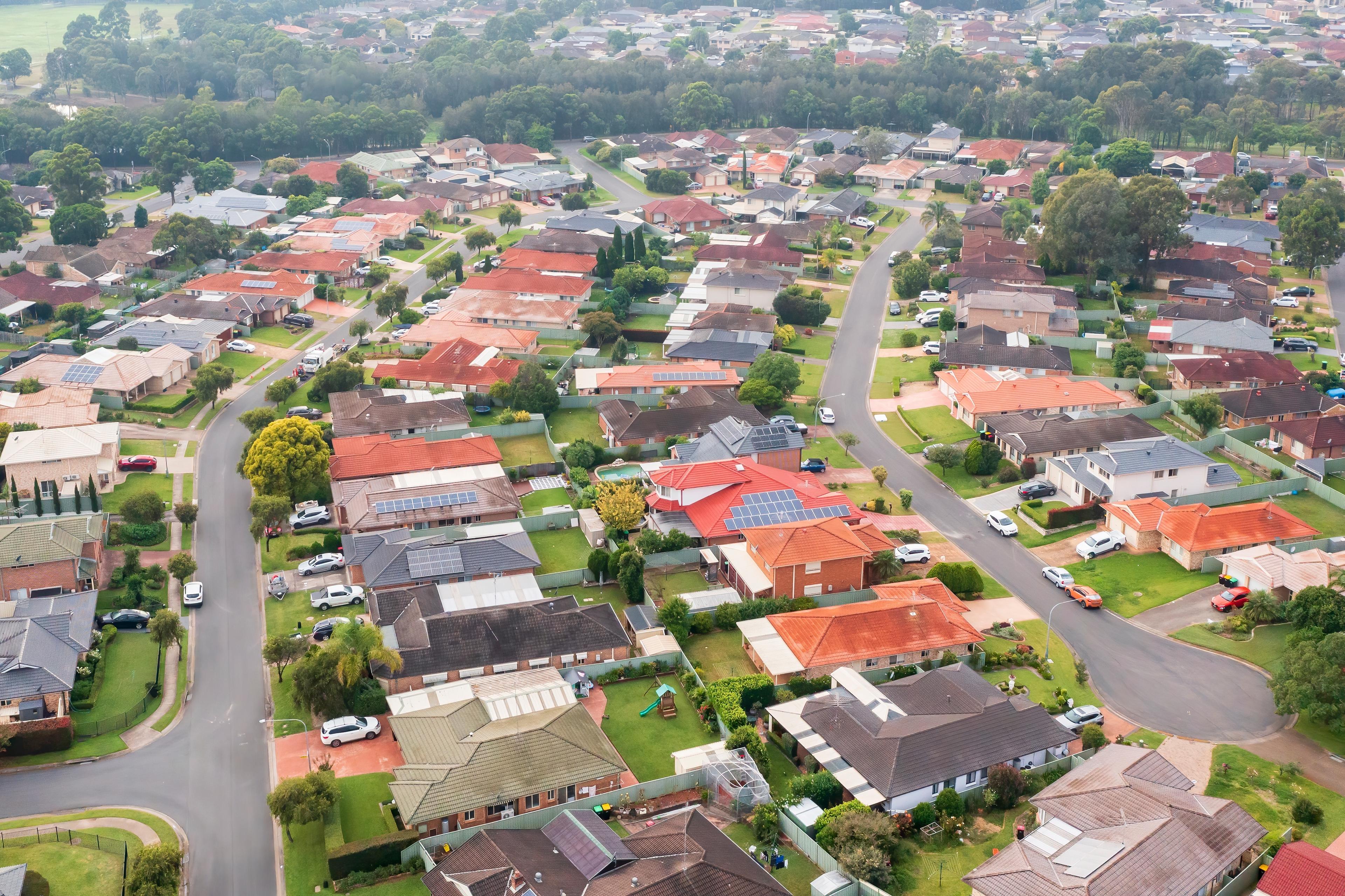
Council-backed regional home energy upgrade program launched in 2024 by Goulburn Murray Climate Alliance (GMCA). Supports households and businesses across regional Victoria by selecting vetted providers through competitive tender, managing set pricing, and connecting residents with installers who deliver and contract directly.
Involved in this program?
Let us know if anything on this page needs updating.
Contact
Name
Carole Hammond
Website
The Organisation
The Initiative
- Householder
- Business
Short overview:
Goulburn Murray Solar Savers is a regional initiative connecting households and businesses with pre-approved private providers for electrification upgrades such as solar panels, batteries, and hot water heat pumps. Rather than installing upgrades itself, the program manages a panel of vetted providers on set tender pricing, runs community outreach (including informal “coffee catch ups”), and relies on those providers to give participants accurate, up-to-date advice on available government rebates.
Future intentions:
An ongoing program planning to continue and grow through a regional, membership-based model in which other councils join by paying an annual fee. It may refine its operations based on early-stage learnings and add new types of support, though any expansion will depend on available staff, funding, and the impact of climate-related events such as bushfires.
Resourcing & Delivery Model
Funding Sources
- Public local authority budget
- Approximately AUD 49,000 per year (program-level budget funded collectively by participating councils)
- Group buying and discounts
The program is regional and council-funded, and is built around a tendered panel of vetted providers. Providers are selected through an EOI/tender process requiring best-price submissions and controlled pricing schedules, reviewed periodically. Households contract directly with providers, who deliver the upgrades and advise on eligibility for relevant rebates.
Partner Roles & Collaboration
- Local government actors
- Peak bodies
- State Government actors
- Suppliers/installers
Community Participation Modes
- Dissemination of information & education
- Consultation
The Goulburn Murray Climate Alliance (GMCA) coordinates the program, manages the provider tender and panel, maintains the digital matching system, oversees delivery, and convenes monthly steering group meetings with participating councils to review performance, community engagement, and provider activity and to plan improvements. Participating local councils contribute funding, promote the program locally, host community events and information sessions, connect residents and businesses with panel providers, and help identify local priorities and outreach opportunities. Panel providers deliver the upgrades directly to households and businesses, take part in community events, and operate under agreed pricing and performance conditions, with periodic audits and reviews. GMCA also collaborates with the Eastern Alliance for Greenhouse Action (Solar Savers Metro) to share knowledge, resolve shared digital platform issues, and align delivery across regions.
Actions & Upgrades
- Home energy assessments
- Workshops
- Online information
- Individual advice / consultation
- Product vetting
- Supplier vetting
- Support accessing other programs
- Tailored support for vulnerable households (planned)
- Solar PV
- Batteries
- Hot water heat pumps
- Reverse-cycle air conditioning
- Insulation
- Draught proofing
- Electric appliances
- EV charging
Key Insights
Lessons Learned
- Regional communities engage differently from metropolitan areas: the online webinars and digital formats that worked in metropolitan programs proved far less effective, while informal, in-person settings such as community hall events and “coffee catch-ups” were critical for building trust.
- Bushfires and extreme weather disrupted delivery timelines and capacity, highlighting the need for flexibility in regional program design and implementation.
Barriers
- Limited staff time and delivery capacity, with the program largely run by a single staff member and partner councils also stretched to support promotion and local events.
- Insufficient and unstable funding for regional delivery, leaving councils unable to fund incentives or direct support, while many regional and rural households cannot afford upgrades even when information is available.
- Inconsistent communication and outreach across councils, reducing awareness when the program cannot be promoted consistently through trusted local channels such as newsletters, particularly as not all residents use social media.
- Community uncertainty about where to start and which suppliers to trust, which limits follow-through and was a key motivation for establishing the program.
Enablers
- Alliance-based delivery: the program depends on councils being members of the Goulburn Murray Climate Alliance and would not exist otherwise.
- Membership of the broader statewide network of Victorian Greenhouse Alliances, which provides an established framework and shared foundations for program design and coordination.
- Shared digital systems and infrastructure funded by metropolitan partner councils, letting regional councils operate on a single shared platform without bearing the full local cost.
- A supportive organisational culture and leadership, with engaged staff and councillors (including board-level involvement) at GMCA and its member councils who are enthusiastic about the program.
Knowledge Sharing
- Updates are shared mainly internally, through board meetings and alliance governance processes. Outside the alliance, GMCA works with the Eastern Alliance for Greenhouse Action on the shared Solar Savers platform and delivery. There is no other regular way of sharing lessons with other councils, mainly because of limited time and resources.
Needs & Support Requirements
- Additional staff capacity, with more dedicated time to design, coordinate, and deliver the program across multiple councils.
- Increased and stable funding to support delivery, coordination, and potential expansion, particularly in regional areas.
Data Collection & Sources
Data was collected over the period December 2025 – June 2026. Data collection involved desktop research and an interview with a program representative.
Information sources used:
- https://www.goulburnmurraysolarsavers.org.au/ (Goulburn Murray Solar Savers – Home)
- https://www.goulburnmurraysolarsavers.org.au/who-we-are.html (Goulburn Murray Solar Savers – Who we are)
- https://www.goulburnmurraysolarsavers.org.au/how-it-works.html (Goulburn Murray Solar Savers – How it works)
- https://engage.alpineshire.vic.gov.au/community-hubs/sustainability-hub/goulburn-murray-solar-savers (Alpine Shire Council (Engage) – Goulburn Murray Solar Savers page)
- https://www.alpineshire.vic.gov.au/news/further-energy-saving-upgrades-available-community-through-solar-savers-program (Alpine Shire Council news – “Further energy saving upgrades available…” (21 July 2025))
- https://www.alpineshire.vic.gov.au/news/take-stress-out-going-green-solar-savers-program (Alpine Shire Council news – “Take the stress out of going green…” (20 Aug 2025))
- https://greatershepparton.com.au/whats-happening/news/news-article/%21/456/post/greater-shepparton-city-council-joins-goulburn-murray-solar-savers-program (Greater Shepparton City Council news (archived) – “joins Goulburn Murray Solar Savers” (2 Dec 2024))
- https://www.wangaratta.vic.gov.au/News-Articles/Rural-City-of-Wangaratta-Joins-Goulburn-Murray-Solar-Savers-Program (Rural City of Wangaratta news – “Joins Goulburn Murray Solar Savers Program” (25 Aug 2025))
- https://www.gmca.org.au/goulburn-murray-solar-savers.html (GMCA page – Goulburn Murray Solar Savers)
- Interview with program representative (conducted on 30/1/2026)