Hume City Council
Hume Home Energy Upgrades
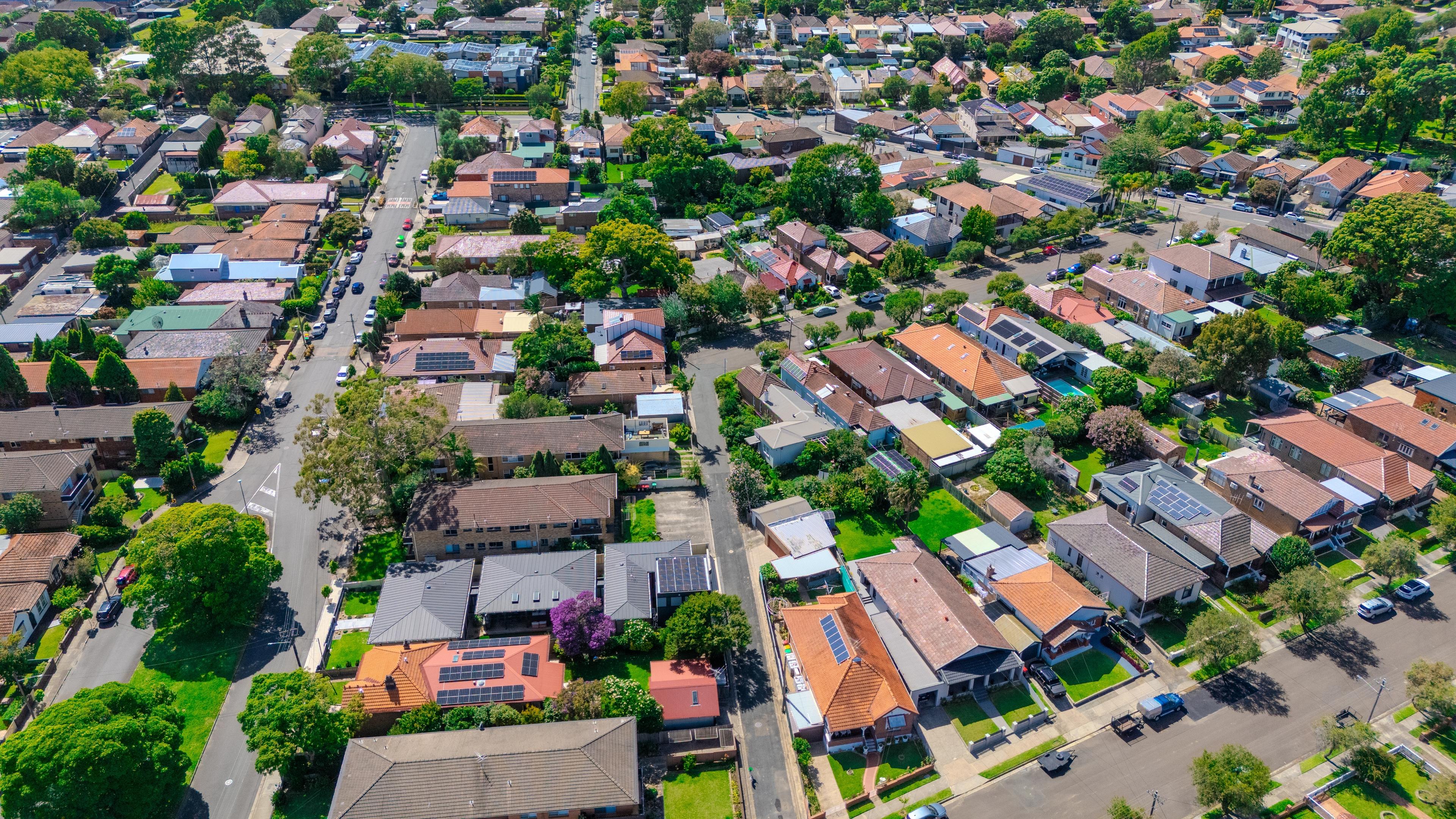
Council-run local home energy upgrade program launched in 2024 by Hume City Council. Supports households and renters across Hume, Victoria by funding rebates for concession households and connecting residents with independent advice and vetted suppliers who deliver and contract directly.
Involved in this program?
Let us know if anything on this page needs updating.
Contact
Name
Kelly Heffer
The Organisation
The Initiative
- Householder
- Renter
- Concession card holders
- Detached single
- Townhouse
- Apartment
Short overview:
Hume Home Energy Upgrades is a council-led, partnership-based program launched in 2024 that expanded an earlier solar rollout into a multi-measure offering. It tackles high upfront costs, lack of trust in suppliers, and the complexity of technologies and rebates by combining council-funded rebates (targeted to concession households), independent advice from a not-for-profit partner, and delivery through pre-vetted suppliers. Residents receive end-to-end support: education, personalised energy advice, transparent itemised quoting (costs, rebates and savings), and coordinated installation of upgrades such as solar PV, heat pump hot water, efficient heating/cooling, insulation and draught-proofing. It emphasises thermal comfort, lower energy bills and support for vulnerable households.
Future intentions:
Continuation depends on annual council budget cycles, with intent to maintain and potentially extend delivery if strong uptake, community outcomes, and internal support are demonstrated. Council can also add technologies and adapt the program to changing policy settings and rebates over time.
Resourcing & Delivery Model
Funding Sources
- Public local authority budget
- Annual budget: approx. AUD $200,000.
- First nine months: just under AUD $100,000 spent on concession rebates.
- Remaining funds support promotion, engagement and YEF project management.
- Start-to-finish support
Hume City Council allocates an annual budget to fund rebates (targeted to concession households) and to procure delivery services from Yarra Energy Foundation. The program aggregates household demand and connects residents to a pre-qualified panel of suppliers, while Yarra Energy Foundation provides independent advice, prepares itemised quotes (costs, rebates and expected savings), and coordinates the customer journey. Suppliers contract directly with households and are paid through a mix of council rebates, applicable external incentives, and out-of-pocket contributions. The council funds administration and engagement; households finance the remaining upgrade costs.
Partner Roles & Collaboration
- NGOs
- Suppliers
- Installers
Community Participation Modes
- Dissemination of information & education
- Consultation
- Other (opt-in, decision-based participation through registration, assessment, and upgrade decision-making)
Hume City Council funds and oversees the program, providing rebates and overall governance. Yarra Energy Foundation acts as the independent energy partner, supporting program design, supplier vetting, resident education, and coordination of the customer journey. Appointed suppliers deliver different streams: All Electric Homes handles electrification and solar upgrades (whole-of-home assessments, integrated upgrade proposals, and installation of electric appliances), while Enviroflex delivers building-shell upgrades such as insulation and draught-proofing.
Actions & Upgrades
- Rebates
- Loans
- Discounts
- Home energy assessments
- Workshops
- Online information
- Individual advice / consultation
- Product vetting
- Supplier vetting
- Support accessing other programs
- Tailored support for vulnerable households
*Reported product brands/models by technology:
- Solar PV: Jinko panels with GoodWe inverter.
- Batteries: Sungrow and GoodWe.
- Hot water heat pumps: Aquaplus.
- Reverse-cycle air conditioning: Mitsubishi Electric; Mitsubishi Heavy Industries may be quoted if stock is unavailable.
- Insulation: Fletcher Glasswool and Polyester Solutions.
- Draught proofing: Raven, DraftStoppa and Draft Dodgers.
- Induction cooktops/electric appliances: Westinghouse, installed by All Electric Homes.
Outcomes & Impact
CO₂ Emission Savings
- Over 14,218 tCO₂-e avoided over the lifespan of installed systems.
- Additional emissions savings from thermal upgrades are noted but not quantified.
Energy Bill Cost Savings (annual)
- Average estimated annual bill saving of $1,410 for concession households achieving full electrification with no gas, reported as at 25 February 2026.
- Approx. $1.2 million reported as invested in clean energy technology by the community.
- Resident stories and program materials report improved comfort, including benefits from split systems and insulation.
- No quantified comfort outcomes reported.
- Program materials link upgrades to comfort and health aims.
- Targeted support for residents whose health conditions are affected by extreme temperatures is part of the Climate Safe Homes partnership.
- Resident stories suggest Council-endorsed, vetted tradespeople and support increased trust and reduced concerns about scams.
- Social impacts are not quantified.
- Improved household energy literacy and understanding of electrification pathways.
- Increased confidence navigating rebates, suppliers and upgrade decisions.
Key Insights
Lessons Learned
- Securing internal council support, especially around procurement and supplier appointment, requires early attention and investment in organisational alignment.
- Program design must continuously adapt to shifting external rebates, loan settings, compliance requirements and market conditions. For example, the introduction of the Commonwealth battery discount and closure of Solar Victoria’s battery loan required updates to program communications and financial guidance, while the separate no-interest solar PV loan remained available for eligible households.
- Applying the concession rebate upfront as a discount paid directly to suppliers, rather than via reimbursement, reduces administrative burden and improves the customer experience.
- Council-led promotion and engagement, alongside supplier activity, is needed to turn interest into installations.
- Stacking council rebates with targeted programs like the Brotherhood of St Laurence’s “Climate Safe Homes” enables deeper subsidies and better outcomes for vulnerable households.
- Long-term continuity, building on the earlier Hume Solar Rollout, develops program recognition and trust. Council must maintain active oversight and resourcing even when partners deliver key components.
Barriers
- Internal resistance within council about endorsing and appointing specific suppliers created friction during program setup.
- Changing external rebates and policy settings, such as new federal battery rebates replacing previous state loan schemes and shifting compliance requirements, disrupted program consistency.
- Split incentives and eligibility constraints (concession rebate rules, long-term lease requirements) keep landlord and renter participation very low, since costs sit with owners while benefits flow to tenants.
- Lower digital literacy or limited online access made it harder for some households to engage with quoting and requirements, despite phone-based alternatives.
- Uptake concentrated in older, established suburbs with post-war housing (e.g. Broadmeadows, Tullamarine), while newer estates (e.g. Mickleham, parts of Sunbury) saw less, as newer homes are perceived as already efficient.
- Some residents' limited trust in government programs restricted reach, despite outreach through community organisations and cultural events.
Enablers
- A structured three-way partnership, with council providing funding and oversight, a not-for-profit supporting setup and supplier selection, and pre-qualified suppliers delivering assessments and installations, supports coordinated delivery.
- Using vetted suppliers and connecting residents directly to them builds confidence and credibility while streamlining the path from interest to installation.
- Transparent, itemised quotes showing costs, expected savings and applicable rebates support informed decision-making.
- Integrating multiple financial supports, including government rebates, no-interest loans and additional council rebates for concession households, improves affordability and lowers upfront costs.
Local Solutions
- Hume’s culturally and linguistically diverse population, including many recently arrived migrants and residents who speak English as a second language, shaped the program, prompting interpretive support, translated materials, community-based outreach and phone-based assistance rather than digital-only channels.
- Housing conditions guided targeting toward older, established suburbs with post-war housing and older gas systems.
- Concession rebate settings and outreach were shaped by local social vulnerability, including older homeowners, culturally diverse communities, and households experiencing bill stress.
Knowledge Sharing
- The program shares knowledge primarily through internal and inter-council learning processes, where experiences, program models, and lessons are presented to other council staff and peers. This includes formal presentations and discussions with colleagues to explain how the program operates and what has been learned through implementation. In addition, the program contributes to broader knowledge exchange by identifying opportunities to collaborate with other initiatives and organisations, allowing insights and practices to be shared and adapted across programs.
Needs & Support Requirements
- Ways to deliver upgrades to renters that give tenants lasting benefit, rather than mainly increasing landlords' asset value, given current constraints around lease conditions and rebate eligibility.
- Stronger and wider partnerships (e.g. with the Brotherhood of St Laurence) to increase financial support and improve outcomes for vulnerable households.
Data Collection & Sources
Data was collected over the period July 2025 – June 2026. Data collection involved desktop research and an interview with a program representative.
Information sources used:
- https://humeenergyupgrades.org.au (Hume Home Energy Upgrades official website)
- https://yef.org.au/news/yef-hume-launch-new-home-energy-upgrades-program (YEF announcement – program launch (2024); Hume City Council & Yarra Energy Foundation webinar transcript (2024))
- https://www.facebook.com/HumeCityCouncil (Hume City Council Facebook communications)
- https://www.solar.vic.gov.au (Solar Victoria – rebates)
- RACE for 2030 and Rewiring Australia – Upgrade Accelerator workshop slides, October 2025 (not published)
Interview with program representative (conducted on 30/4/2026)