Lane Cove Council
Greener Apartments Program
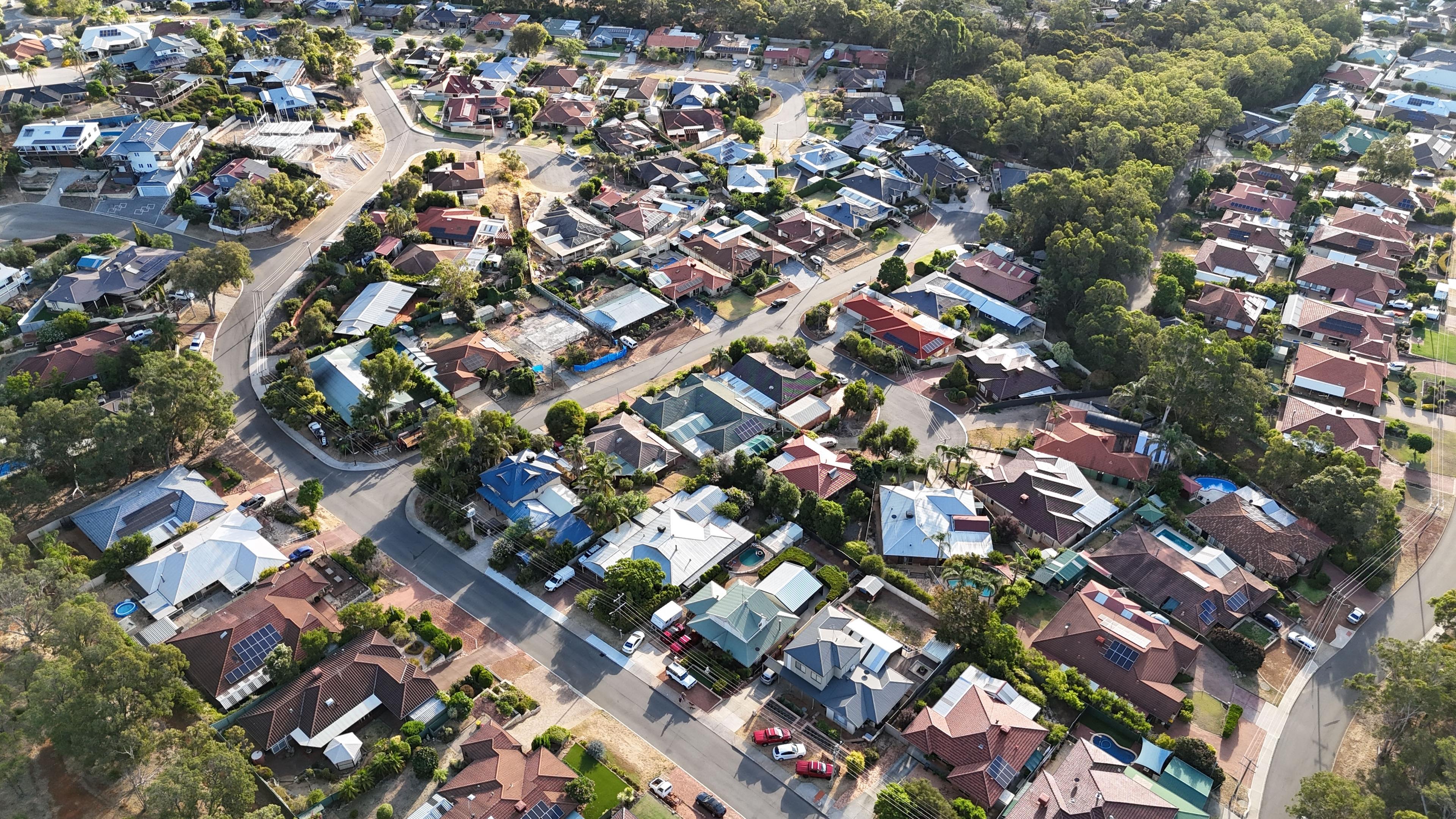
Council-run local home energy upgrade program launched in 2020 by Lane Cove Council. Supports apartment residents and strata committees in Lane Cove, New South Wales by funding free on-site energy and water assessments delivered by a contracted consultant, then sharing a report and follow-up to guide their upgrade decisions.
Involved in this program?
Let us know if anything on this page needs updating.
Contact
Name
Bernadette Riad, Samantha Duckworth
The Organisation
The Initiative
- Householders
- Renters
- Apartment
Short overview:
Greener Apartments is a free council initiative offering apartment blocks and strata schemes on-site energy and water assessments. A contracted consultant assesses building-wide energy and water use and upgrade opportunities such as solar, EV charging, lighting and other efficiency measures, then provides a detailed report and a follow-up meeting to discuss findings and options.
Future intentions:
Council is not planning to scale up the program, but is considering a desktop study of all apartment complexes in the local government area to identify and target the buildings that would benefit most.
Resourcing & Delivery Model
Funding Sources
- Public local authority budget
- $16,000 under the 2025–26 Sustainability Levy project
- Personal advice and assessments
Apartment blocks opt in through their strata committee, and the council funds and organises a free on-site energy and water assessment by a contracted consultant, with a detailed report and follow-up discussion.
Partner Roles & Collaboration
- Other service providers
Community Participation Modes
- Dissemination of information & education
- Consultation (opt-in participation and follow-up discussions)
Lane Cove Council, the lead organisation, organises and funds the program, engages the consultant, coordinates assessments and oversees follow-up discussions with participating strata committees. Wattblock, the contracted consultant, conducts the on-site energy and water efficiency assessments, prepares the detailed reports, and runs follow-up meetings with strata committees to explain findings and discuss upgrade opportunities.
Actions & Upgrades
- Home energy assessments
- Online information
- Individual advice / consultation
- Support accessing other programs
Outcomes & Impact
Key Insights
Lessons Learned
- Strata-wide commitment, secured through a formal letter of commitment from the strata committee, is essential so participation does not rest on a single resident and the assessment and its recommendations are taken seriously.
- Confirming strata agreement upfront protects program resources, ensuring paid consultants and detailed reports are directed at buildings that are genuinely interested.
- Multi-stakeholder programs involving residents, strata committees and consultants need stronger upfront alignment than single-household programs.
Barriers
- Gaining strata approval is time-consuming and difficult, as residents must convince their strata committee to support participation and sign a formal letter of commitment (the committee needs only a 50% vote to proceed).
- Coordinating between individual residents and strata committees adds a layer of decision-making complexity not present in programs targeting standalone homes.
Knowledge Sharing
- Knowledge sharing occurs primarily through informal council networks and communities of practice, where program staff share learnings when relevant topics arise. The council also reports internally on the program's uptake and outcomes, supporting organisational learning and informing future work.
Needs & Support Requirements
- Additional staff time and coordination to sustain promotion across multiple council channels such as newsletters and social media, especially when several programs run at once.
- Ongoing budget to support program delivery and cover running costs.
Data Collection & Sources
Data was collected over the period December 2025 – June 2026. Data collection involved desktop research and an interview with a program representative. All data was validated by a program representative.
Information sources used:
- https://www.lanecove.nsw.gov.au/Environment-Sustainability/Sustainability/Sustainability-Programs-and-Rebates/Greener-Apartments-Program
- https://www.lanecove.nsw.gov.au/Environment-Sustainability/Sustainability/Sustainability-Levy
Interview with program representative (conducted on 3/2/2026) and validation done on 23/2/2026