Merri-bek City Council
Merri-bek Home Energy Subsidy Program
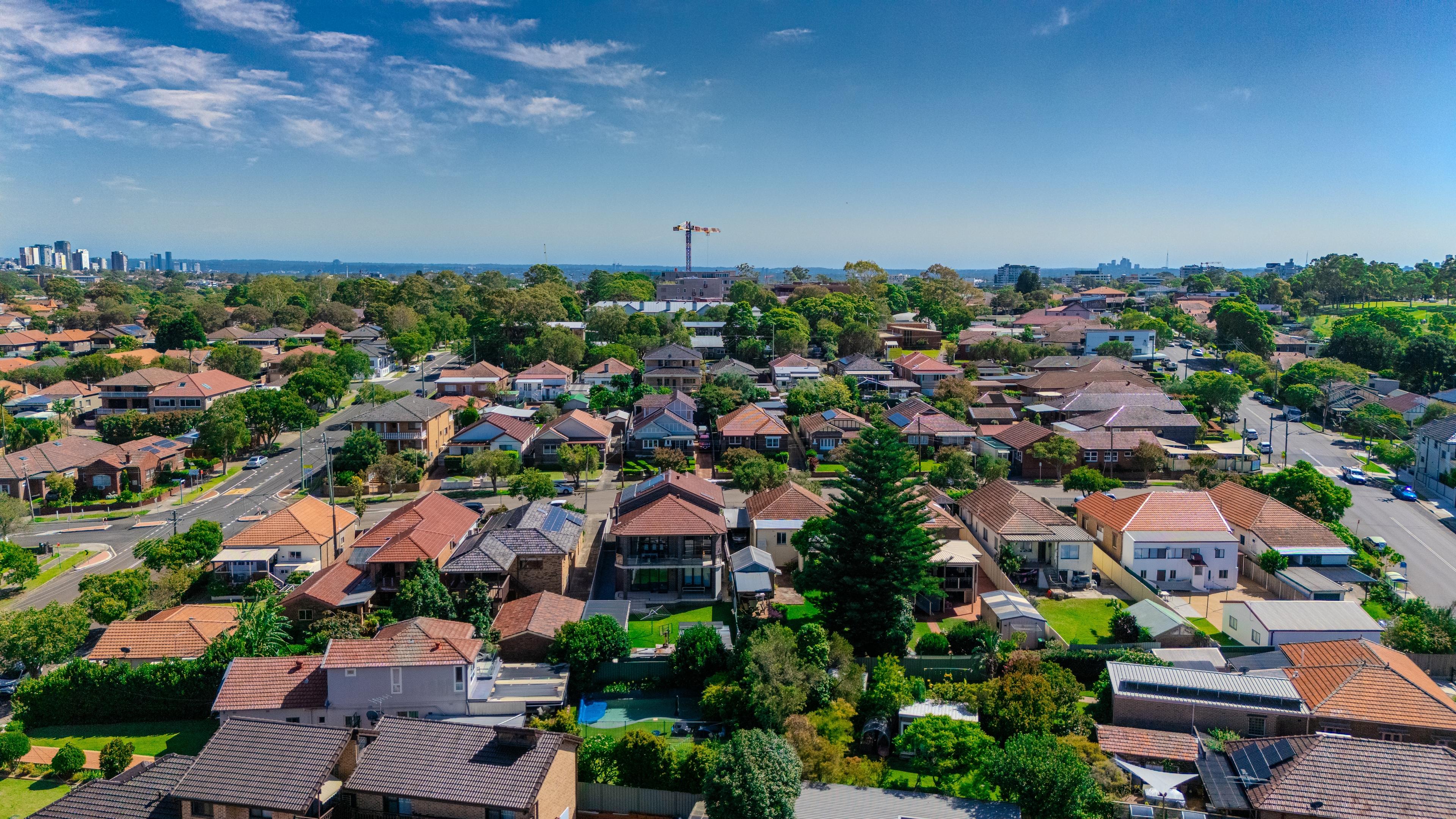
Council-run local home energy upgrade program launched in 2020 by Merri-bek City Council. Supports low-income and vulnerable households in Merri-bek by offering subsidies that reduce upgrade costs and providing concierge support to help residents navigate rebates and technical decisions.
Involved in this program?
Let us know if anything on this page needs updating.
Contact
Name
Donna Luckman, Emma Peterson
The Organisation
The Initiative
- Initiated in late 2020
- Active delivery in early 2021
- Householder
- Low-income
- Aged
- Concession card holders
- CALD communities
- Detached single
- Townhouse
- Apartment
Short overview:
Merri-bek Home Energy Subsidy Program is a council-funded initiative helping low-income and vulnerable households install rooftop solar and undertake thermal upgrades. It runs two streams: solar; and thermal efficiency (insulation, draught proofing), delivered through contracted providers. Eligible households can receive council subsidies (up to $3,000 for solar, $2,000 for thermal) plus support to access Victorian Solar Homes rebates, with a tailored concierge service guiding those who need help to navigate upgrade decisions and cut energy costs. Within the program, Council has added support for small apartment blocks to install solar collectively and a thermal pilot for pensioner households (7 split systems installed).
Future intentions:
Continuation depends on annual Council budget approval through internal budget bids, and no major expansion is planned. Council would like state and federal governments to fund similar programs to scale support for low-income and vulnerable households.
Resourcing & Delivery Model
Funding Sources
- Public local authority budget
- Public state budget
- $205,000 per year (combined solar + thermal streams) plus staff costs
- Start-to-finish support
The program is council-funded and delivered through Council's Energy Upgrades framework, with separate solar and thermal streams: solar through a partnership with the Council Home Energy Program, thermal through a contracted provider. Council provides direct subsidies to eligible households and helps them combine these with state rebates, with concierge-style assistance for vulnerable residents navigating eligibility, technical decisions and rebate processes.
Partner Roles & Collaboration
- Suppliers/installers
Community Participation Modes
- Dissemination of information & education
- Consultation
Council funds and administers the Energy Upgrades Program; the Council Home Energy Program manages solar delivery through vetted installers; Ecomad delivers thermal upgrades. Households combine council subsidies with state rebates, with help from council.
Actions & Upgrades
- Subsidy
- Workshops
- Online information
- Individual advice / consultation
- Product vetting
- Supplier vetting
- Support accessing other programs
- Tailored support for vulnerable households
*216 is the combined total for insulation and draught proofing; separate counts are not reported.
Outcomes & Impact
- $186,000 per year across 285 participating households in the solar and thermal streams ($3.22 million over the lifetime of the upgrades)
Social Benefits
- Builds trust through council-endorsed offers, webinars and resident case studies.
- Reported resident benefits include around 60% bill reductions and pride in contributing to climate action.
- Strengthens community identity around Zero Carbon Merri-bek and collective progress toward local solar goals.
Capacity Building
- Improves household energy literacy through workshops and fact sheets.
- Helps residents understand rebates and long-term bill savings.
- Builds confidence to choose reputable solar installers and make informed upgrade decisions.
Key Insights
Lessons Learned
- Many households need hands-on, personalised support, not just financial incentives; a dedicated concierge-style support person helps them understand options, navigate complex rebate systems and technical decisions, and actually proceed.
- Too much choice can discourage participation, so simplifying and refining the upgrade offering helps residents feel confident rather than overwhelmed.
- Thermal upgrades are a practical first step, often the most beneficial given the generally poor quality of local housing stock.
- Local case studies, sharing stories and images of real residents who have upgraded, build trust and encourage others to act.
Barriers
- Building trust with suppliers and engaging households can be difficult, a challenge seen across multiple councils.
- Poor housing condition in low-income homes can require essential repairs, such as fixing leaking roofs, before upgrades like insulation can be installed effectively.
- Many households need additional enabling works, such as switchboard upgrades before solar or electrification, so contingency funding is necessary to keep installations viable.
- Renters face landlord approval requirements that limit participation, and very few rental households have accessed the subsidy.
Enablers
- Strong political support, sparked by a councillor's formal notice of motion, led to dedicated Merri-bek City Council budget allocation that established and delivered the program.
- Launching during COVID-19, when many residents faced job losses and financial stress, increased the urgency and support for targeted household assistance.
- Earlier council initiatives such as the Cooling Communities Initiative informed the program's design and delivery approach.
- The program built on the Victorian Government's Energy Savvy Upgrades Program (run by the then Department of Environment, Land, Water and Planning), adapting elements for local delivery.
Local Solutions
- A high proportion of low-income and vulnerable households shaped the program's added financial and navigation support, since many residents needed more than general information to participate.
- Older, thermally inefficient local housing stock led the program to prioritise thermal upgrades, such as insulation and draught-proofing, before solar installation.
- The local mix of apartment buildings prompted the program to expand support for apartment blocks installing solar collectively.
- The COVID-19 economic context at establishment, when many residents had lost work, influenced council support and funding decisions.
Knowledge Sharing
- Knowledge is shared through inter-council and alliance networks: Merri-bek sits on the Council Home Energy Program Steering Committee, attends bi-monthly network meetings and broader council sustainability networks (NAGA and Basecamp forums), and presents learnings at local government conferences. Short case studies have also been developed and circulated through sector networks.
Needs & Support Requirements
- Ongoing backing from council leadership is essential to maintain and deliver the program.
- Sustained, adequate funding remains a core requirement to operate and continue the program.
- Delivery partners and suppliers need the communication skills, experience and capacity to understand and sensitively support low-income and vulnerable households facing financial, administrative or technical challenges.
Data Collection & Sources
Data was collected over the period December 2025 – June 2026. Data collection involved desktop research and an interview with a program representative. All data was validated by a program representative.
Information sources used:
- https://zerocarbonmerri-bek.org.au/solar-and-energy-financial-support-for-residents-on-a-low-income/ (Zero Carbon Merri-bek – Solar and energy financial support for residents on a low income)
- https://www.energy.gov.au/rebates/merri-bek-home-energy-subsidy-program (Australian Government rebate listing)
- https://homeenergyprogram.org.au/councils/merri-bek/ (Council Home Energy Program – Merri-bek page)
- https://zerocarbonmerri-bek.org.au/energy-switch/energy-improvements-for-your-home/ (Zero Carbon Merri-bek energy improvements page)
- https://zerocarbonmerri-bek.org.au/energy-switch/get-solar-for-your-home/ (Zero Carbon Merri-bek solar page)
- https://zerocarbonmerri-bek.org.au/energy-switch/ (Zero Carbon Merri-bek Energy Switch page)
- https://zerocarbonmerri-bek.org.au/home-actions/ (Zero Carbon Merri-bek home actions page)
- RACE for 2030 and Rewiring Australia – Upgrade Accelerator Workshop 1: The Goal, slides, June 2025 (not published)
Interview with program representative (conducted on 3/2/2026) and validation done on 30/3/2026. Updated in November 2026 following a change request from Merri-bek City Council.