Queensland Council of Social Service
Charge Up!
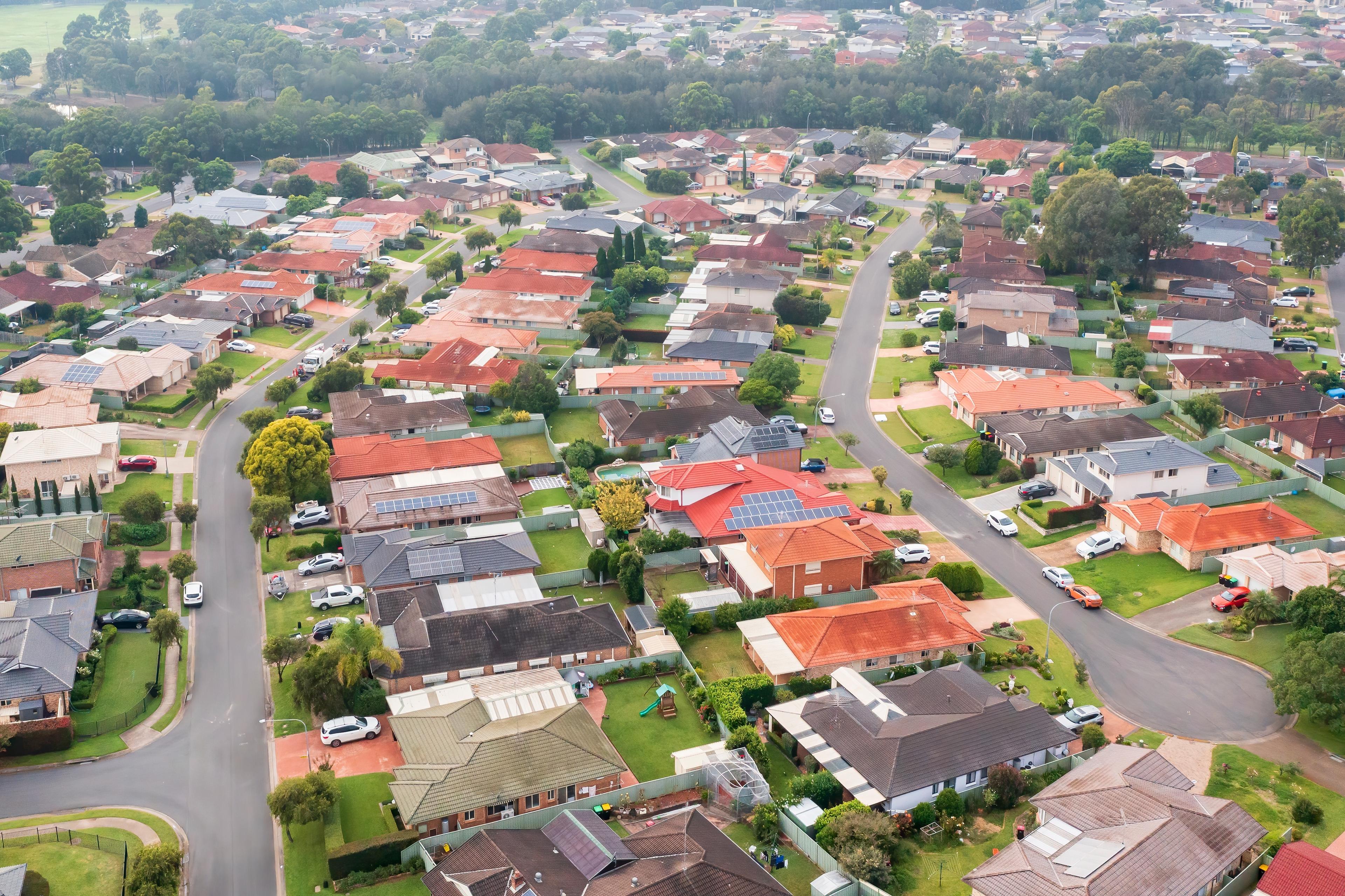
Community-led state-wide energy literacy program launched in 2024 by Queensland Council of Social Service (QCOSS). Supports low-income and vulnerable households across Queensland by training neighbourhood and community centre staff as energy educators who provide practical advice, resources and referrals.
Involved in this program?
Let us know if anything on this page needs updating.
Contact
Name
Sarah Walker
Website
The Organisation
The Initiative
- Householder
- Low‑income
- Concession card holders
Short overview:
Charge Up! is a Queensland-wide capacity-building and energy literacy initiative that equips neighbourhood and community centres to support households experiencing energy stress. It trains “Energy Educators” and provides practical resources on energy bills, appliances, tariffs and concessions, plus referral pathways to support services. Delivery is built into existing community services such as emergency relief, financial counselling and community programs, with ongoing peer learning, coaching and Communities of Practice after the initial training.
Future intentions:
There are no current plans to formally expand, continue or replicate the initiative as a funded program. However, participating neighbourhood centres will keep applying the knowledge, skills and resources gained to support their communities. Trained energy educators can use what they learned in everyday service delivery, such as emergency relief, financial counselling, multicultural programs and community drop-ins, and the tools and resources developed remain with participating organisations.
Resourcing & Delivery Model
Funding Sources
- Public state budget
- AUD $937,001 (excluding GST)
- Personal advice and assessments
The program is funded by a Queensland Government grant (Enable Grants Program). QCOSS partners with NCQ and Energetic Communities Association Incorporated (ECAI), coordinating delivery through 20 Neighbourhood Centres (Energy Educators) and online resources. Households mainly receive information and support via centres and through the public resources and referral pathways on the project website.
Partner Roles & Collaboration
- Community organisations/ NGOs
- State government actors
Community Participation Modes
- Dissemination of information & education
- Consultation
QCOSS runs the project with Neighbourhood Centres Queensland (NCQ) and Energetic Communities Association Incorporated (ECAI): NCQ supports delivery through its statewide network of neighbourhood centres, while ECAI contributes energy-literacy expertise and training content. Delivery happens locally through 20 neighbourhood centres, where trained “Energy Educators” share information and resources with community members. The Queensland Government funds the program through the Enable Grants Program.
Actions & Upgrades
- Workshops (past)*
- Online information
- Support accessing other programs
*The program delivered 15 support activities: one two-day Train the Trainer program, ten Energy Educator Communities of Practice sessions, and four sector-wide webinars focused on energy literacy, scams and misinformation, mould and healthy homes, and reducing energy costs.
Outcomes & Impact
- A two-day Train the Trainer program was delivered for energy educators in November 2024, along with ten Communities of Practice (CoP) sessions throughout 2025 specifically designed for Energy Educators. These sessions focused on building energy literacy while also providing a peer-to-peer learning forum for educators to share effective practices and strategies being implemented in their centres to support community members.
- Four webinars were delivered to the wider community services sector to build energy literacy. Topics were protecting energy consumers from scams and misinformation, addressing mould and creating healthier homes, and (in two sessions) reducing energy costs.
Key Insights
Lessons Learned
- Capability building must be ongoing rather than one-off: a single training was not enough for complex topics like tariffs, meters, concessions and billing, and ongoing peer learning and coaching were critical to translating knowledge into practice.
- Energy literacy proved broader and more complex than anticipated, with communities raising solar, appliances, mould, scams, digital billing, extreme weather and hardship pathways, all interconnected with health, housing, financial stress and digital exclusion.
- Workforce turnover must be planned for, since staff changes disrupt continuity and programs need built-in onboarding pathways, accessible materials and flexible design so new staff can step in.
- Trust and relationships matter: community members were most receptive to energy information from workers they already trusted in familiar settings, and embedding conversations into existing services produced deeper engagement than standalone sessions.
Barriers
- Workforce turnover in neighbourhood centres, requiring onboarding and support for new energy educators partway through delivery.
- The technical complexity of energy systems, tariffs, bills and concessions, which took time for educators to explain confidently.
- Competing demands on community services, particularly high levels of crisis and emergency assistance.
- Difficulty following up with households who engage irregularly or only during periods of acute need.
Enablers
- A staged design that sequenced structured training with ongoing Communities of Practice, one-on-one support and site visits let educators progressively build confidence in complex areas like bills, tariffs, meters and concessions, and helped new staff integrate despite turnover.
- A co-design process, with a consultation group of energy experts, consumer advocates, First Nations, CALD and disability advisors plus two consumer focus groups, refined resources and training so materials suited people with low energy literacy or limited English.
- Partnerships with organisations such as Ergon Energy and the Energy and Water Ombudsman Queensland (EWOQ) provided trusted referral pathways and specialist input, increasing educator confidence on complex household issues.
- Flexibility to integrate energy education into existing services such as emergency relief, financial counselling, multicultural groups, disaster recovery and community events, rather than a single prescribed model, kept delivery realistic and sustainable across varied contexts and fluctuating demand.
- Practical, ready-to-use tools, including household fact sheets, training packs, templates and guidance, reduced staff workload and ensured consistent statewide messaging, making energy conversations easier to start and sustain.
Local Solutions
- Delivery was shaped by local context, spanning metropolitan, regional, rural and remote Queensland with significant variation in community needs and service capacity.
- Centres integrated energy support into existing trusted services such as emergency relief, financial counselling, multicultural programs, seniors’ groups, disaster recovery and community drop ins, keeping engagement realistic amid high demand for crisis assistance.
- Language, literacy and cultural background shaped delivery, with interpreters or bilingual workers, content adapted for communities new to Australian energy systems, and printed resources and face-to-face conversations where digital access was limited, plus flexible timelines for regional and remote locations.
Knowledge Sharing
- Knowledge was shared through Communities of Practice, consultation with expert and community groups, and partnerships with external organisations, supporting shared learning, resource development and referral pathways across participating centres.
Needs & Support Requirements
- Flexible, modular training that new staff can access at any time.
- Continued support for peer learning and knowledge sharing across organisations.
- Culturally appropriate resources and access to interpreters where required.
- Funding models that let programs adapt to local conditions and changing community needs.
Data Collection & Sources
Data was collected over the period December 2025 – June 2026. Data collection involved desktop research and direct data validation from a program representative through email. All data was validated by a program representative.
Information sources used:
- https://www.chargeupqld.com/about (Charge Up! project – About)
- https://www.chargeupqld.com/ (Charge Up! project – Main resources page)
- https://www.chargeupqld.com/supportforcommunitymembers (Charge Up! – Support for community members)
- https://ncq.org.au/projects/charge-up-energy-literacy-project/ (Neighbourhood Centres Queensland – Charge Up! Energy Literacy Project)
- https://ncq.org.au/charge-up-project-gets-underway-with-20-neighbourhood-centres-to-deliver-the-project/ (Neighbourhood Centres Queensland – Charge Up! Project gets underway)
- https://ncq.org.au/charge-up-training-supports-neighbourhood-centres-to-build-energy-literacy/ (Neighbourhood Centres Queensland – Charge Up! training supports centres (Dec 2024))
- https://www.hpw.qld.gov.au/__data/assets/pdf_file/0024/36366/Enable-Grants-Program-application-guidelines.pdf (Queensland Government (Department of Energy and Public Works) – Enable Grants Program application guidelines (2023–2025))
- https://www.govhouse.qld.gov.au/the-governor-of-queensland/speeches/2019-may-queensland-council-of-social-service-60-years-of-service-reception (Government House Queensland – Speech at the QCOSS “60 years of service” reception, May 2019)
Data was directly validated and updated by the program representative through email on 20/4/2026