Randwick City Council
Sustainability Rebates
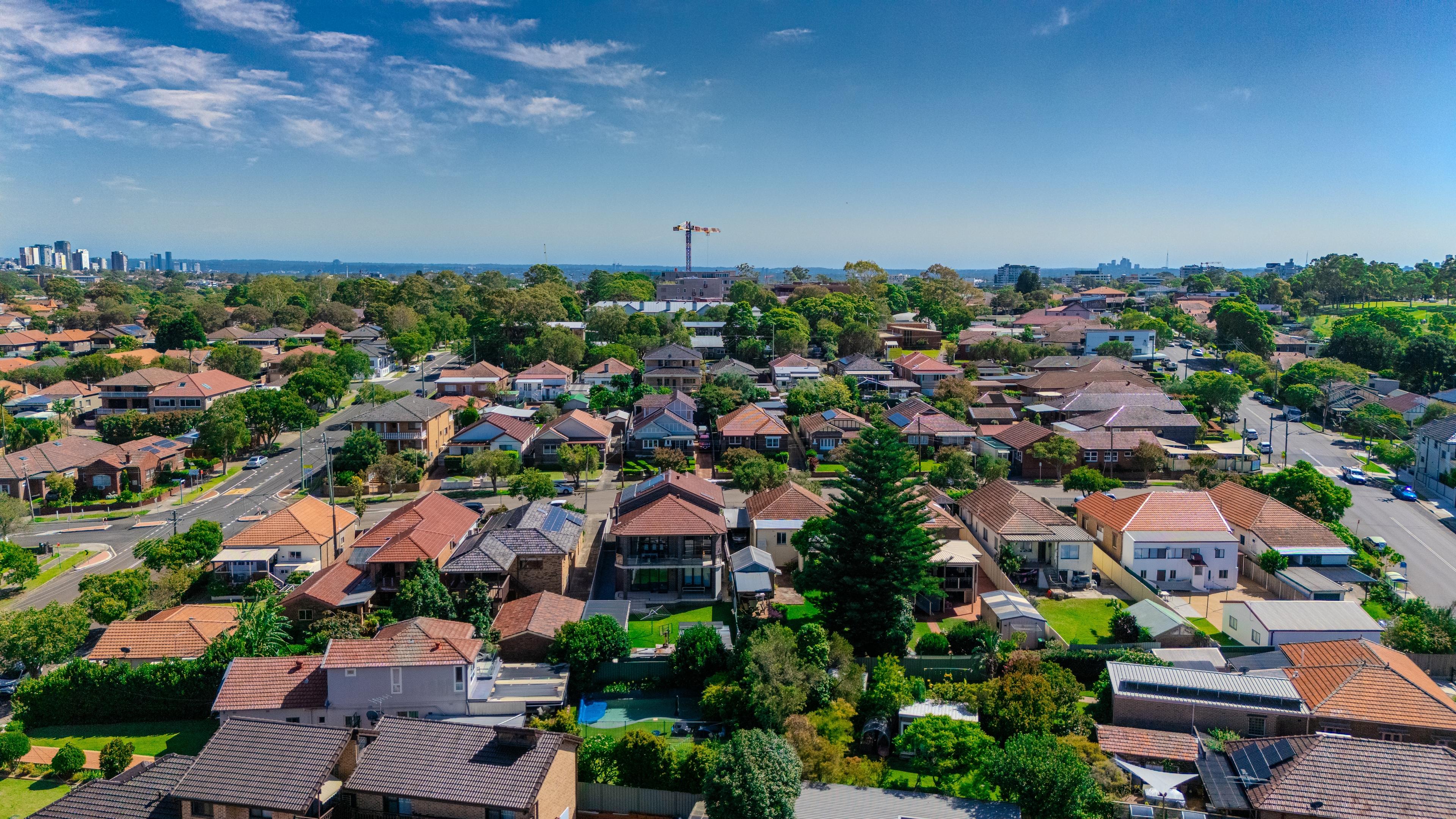
Council-run local home energy upgrade program launched in 2020 by Randwick City Council. Supports households, businesses and schools in Randwick by offering rebates that reduce the cost of completed sustainability upgrades through approved installers.
Involved in this program?
Let us know if anything on this page needs updating.
Contact
The Organisation
The Initiative
- Householder
- Business
- Other (schools)
- Detached single
- Apartment
- Townhouse
Short overview:
This council-led rebates program helps households, apartments, businesses and schools in Randwick make energy and water saving upgrades. It offers rebates (up to $5,000 per year) for eligible products including solar PV, batteries, insulation, hot water heat pumps and EV chargers, paid only after installation: participants install, then apply online with supporting documentation, processed via the Rebately platform and paid by electronic funds transfer (EFT). Launched in November 2020, it has delivered over 2,000 rebates, and council tracks installed rooftop solar and battery storage capacity through application data.
Future intentions:
The program is expected to continue indefinitely. It has grown as the council budget allocation has risen, and strong demand regularly pushes applications beyond the funding available. Future development may refine rebate categories so incentives drive additional uptake, and expand participation among underrepresented groups such as renters and businesses.
Resourcing & Delivery Model
Funding Sources
- Public local authority budget (Environment Levy)
- Rebates and reimbursements
Participants first install eligible products (e.g., solar PV, batteries, insulation, EV chargers) with their own funds, then submit an online application with supporting documentation (e.g., invoice, photographic proof). The Rebately platform handles rapid verification, and approved rebates are paid by electronic funds transfer, typically for installations completed within the previous 12 months.
Partner Roles & Collaboration
- Other service providers
- Suppliers/installers
Community Participation Modes
Dissemination of information & education (dissemination primarily through word-of-mouth and installer promotion, with limited council promotion due to strong demand.)
Randwick City Council designs and funds the program and sets eligibility criteria. Rebately provides the platform that processes applications and delivers payments by bank transfer; as an early adopter, Randwick worked with it to develop several rebate product categories. Suppliers and installers also promote the rebates when offering eligible technologies.
Actions & Upgrades
- Rebates
- Workshops
- Online information
- Individual advice / consultation
- Home energy assessments
- Equipment loaning
Outcomes & Impact
CO₂ Emission Savings (annual)
Energy Bill Cost Savings (annual)
Key Insights
Lessons Learned
- Rebates lead to measurable installations because they reward the completed upgrade directly.
- Outcome-based rebates are administratively simpler and more efficient than grants, which require extensive review, since rebates can be processed quickly once installation is verified.
- Every council dollar in rebates is matched by about $13 of community investment (council’s published leverage factor).
- Some categories may not add behaviour change: the team is reconsidering EV charger rebates since EV buyers may install chargers regardless, and is weighing whether incentives should focus on technologies they genuinely influence.
- Building types respond differently: despite higher rebate limits for whole apartment-block projects, most uptake comes from individual houses and apartments.
Barriers
- Some applicants find the application process complex or time-consuming, though the council considers it manageable given the volume of applications.
- Engaging businesses and apartment-block projects remains difficult, with participation low compared with individual households.
- Because rebates are paid only after installation, participants must self-fund upgrades, which can skew participation toward those able to pay upfront, although claims are allowed for purchases made under finance.
- Council needs internal assurance and oversight, with checks and balances, to make sure rebate funds are spent appropriately.
Enablers
- The Rebately platform streamlines application processing, allowing rebates to be handled quickly and making delivery at this scale possible.
- The council's Environment Levy provides a dedicated funding source that sustains the rebates.
- Installers and suppliers promote the program to customers, since the incentives reduce product costs and stimulate uptake.
- Strong resident demand, with the program often oversubscribed each year, means council needs to do little promotion.
Local Solutions
- Eligible products and rebate amounts were chosen by analysing which technologies deliver the best climate outcomes relative to the incentive required.
- Rebate percentages and limits were calibrated to motivate households to adopt technologies earlier or undertake upgrades they might not otherwise have completed.
- The council evaluates impact through measurable energy indicators, tracking installed solar and battery storage capacity to assess emissions reduction.
- Future improvements may target broader participation, focusing on renters, lower-income households, businesses and apartment-block projects.
Knowledge Sharing
- Randwick City Council regularly shares the program's design and implementation with other councils, which frequently make direct enquiries and connect through professional networks. Sustainability awards have raised the program's visibility, prompting further councils to ask how the rebate model works. The Rebately platform also spreads knowledge, since rebate product structures developed with Randwick can be adopted by other councils using it.
Needs & Support Requirements
- Better inclusion of renters and lower-income households is needed, since the upfront payment requirement limits those with fewer resources; this includes identifying items renters could claim, though renter portability makes it hard to justify funding from Randwick ratepayers.
- Greater engagement with businesses and apartment-block projects is needed, as their uptake is lower than individual households and may require additional approaches.
- Rebate categories need refinement to ensure they genuinely influence decisions, for example reconsidering EV charger rebates if EV buyers would install chargers regardless.
- Future evaluation may expand beyond installations, solar capacity and battery capacity to examine participation patterns across groups such as renters, businesses and lower-income households.
Data Collection & Sources
Data was collected over the period December 2025 – June 2026. Data collection involved desktop research and an interview with a program representative. All data was validated by a program representative.
Information sources used:
- https://www.randwick.nsw.gov.au/business/business-resources/sustainability-rebates (Randwick City Council)
- https://www.randwick.nsw.gov.au/business/business-resources/sustainability-rebates/sustainability-rebates-results (Sustainability rebates results (Randwick City Council))
- https://rebately.co/randwick/ (Rebately)
- https://lgnsw.org.au/common/Uploaded%20files/Environment_Awards/2021/Randwick_sustainability_rebates.pdf (Randwick sustainability rebates (LGNSW 2021 Environment Awards))
Interview with program representative (conducted on 4/3/2026) and validation done on 27/3/2026