Rewiring Australia
Electrify 2515 Community Pilot
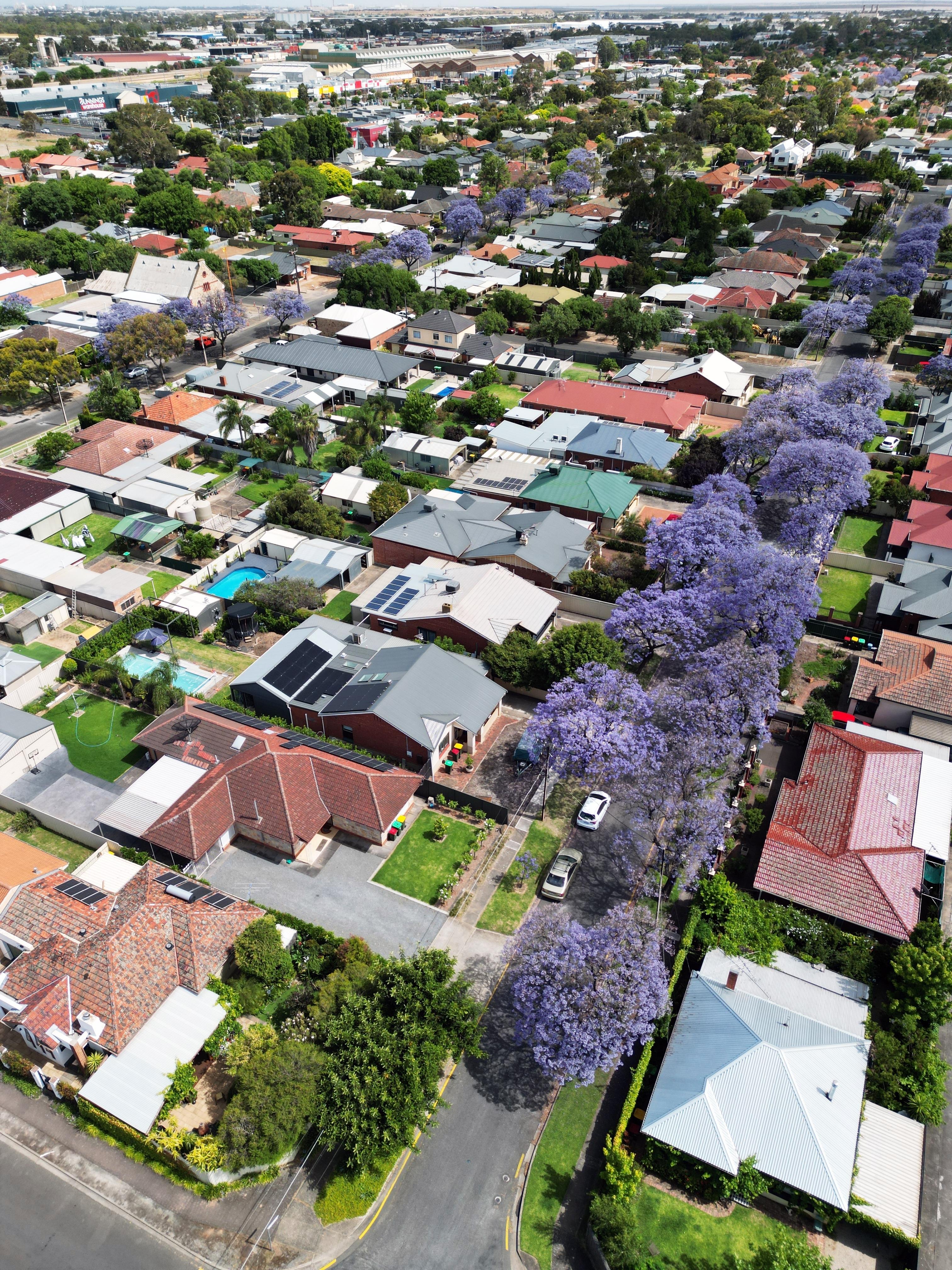
Community-led neighbourhood home electrification pilot launched in 2024 by Rewiring Australia. Supports households, including renters and low-income households, around Wollongong's 2515 postcode by offering subsidies and an online portal that connects them with installers for quotes and delivery, testing a scalable model for getting homes off gas.
Involved in this program?
Let us know if anything on this page needs updating.
Contact
Name
Elona Rey-Costa
The Organisation
The Initiative
- Householder
- Renter
- Low-income
- Other(Landlords)
- Detached single
- Townhouse
- Apartment
- Other (Semi-detached homes, new builds, commercial or community properties and temporary dwellings like caravans or granny flats)
Short overview:
Electrify 2515 is a community-led electrification pilot in postcode 2515 testing a practical model for helping households go off gas. Stage 1 had two parts: a 10-home cohort of already-electrified households fitted with HEMS to monitor performance in real homes, then a 50-household pilot trialling the delivery model, including subsidy access, installer quote requests, and the Brighte platform for comparing tradie offers and progressing upgrades. Stage 2 is the main rollout, scaling from the initial 60 households toward 500 homes by helping households electrify, access subsidies, connect with installers, and receive smart energy devices, while generating evidence on household decision-making, installer readiness, and grid impacts through ongoing data collection.
Future intentions:
No formal expansion of Electrify 2515 in the 2515 area has been confirmed, but possible replication pathways include: (1) a planned Rewiring Australia spin-off pilot in the ACT focused on installer and tradie capacity; (2) codifying lessons, reports, and research evidence to support similar programs elsewhere; (3) advisory and knowledge-sharing support to other electrification initiatives emerging in the Illawarra; and (4) potential future projects after installations finish, with the project continuing through 2027 for analysis, reflection, and development of next-step models.
Resourcing & Delivery Model
Funding Sources
- Public national budget
- $12.45 million (total project value, ARENA-funded program-$5.58 million)
- Start-to-finish support
In this community-led, grant-funded start-to-finish support model, households access subsidised electrification upgrades through an online portal created by Brighte that connects them with installers for quotes and delivery, while project partners coordinate implementation and use the process to test and refine a scalable electrification approach.
Partner Roles & Collaboration
- Finance providers
- Utilities
- Suppliers/installers
Community Participation Modes
- Dissemination of information & education (events, stalls, guides, posters)
- Consultation (workshops, surveys) (launch events, stall engagement, web forms, hems surveys)
- Other: long-term volunteer mobilisation (since 2022) and participant triage support
Rewiring Australia leads the community-facing and research side, working directly with households to guide them through the process. Brighte (Finance Provider) manages the financial and delivery platform, including subsidies, installer payments, quote requests, and the marketplace where households compare tradie options. Endeavour Energy (Utility) supports the grid and research dimension by monitoring how household electrification affects local network infrastructure. Suppliers / Installers provide quotes and carry out the electrification works.
Actions & Upgrades
- Rebates
- Loans
- Discounts
- Self-assessment calculators
- Workshops
- Online information
- Individual advice / consultation
- Product vetting
- Supplier vetting
- Tailored support for vulnerable households
- Induction Cooktops- 57
- Switchboard upgrades- 17
- Smart energy device (HEMS)- 99
Outcomes & Impact
Social Benefits
Capacity Building
Key Insights
Lessons Learned
- Grassroots groundwork and volunteer mobilisation built local interest, which made electrification more attractive and credible to households.
- Households needed guided support rather than incentives alone; personalised guidance, clear communication, and plainer consumer-facing language (such as “smart energy device” instead of “HEMS”) helped them understand quotes, bills, and upgrade choices.
- Smart energy devices added value only when matched to household needs and properly supported, as compatibility, installer setup, manufacturer support, and household interest varied; Stage 2 shifted to a more standardised HEMS with clearer compatibility rules, using CT-clamp monitoring (with reduced optimisation and control) where systems were not fully compatible.
- Installer capability and market readiness were major determinants of success, so scaling electrification requires not just household demand but a stronger, better-prepared installer market with adequate availability, training, and confidence.
- Electrification scales more easily when subsidies, quote requests, installer engagement, and information flows are streamlined and well coordinated rather than fragmented across many actors and decisions.
- Not all households or upgrades were equally easy to support: renters, strata households, and technically complex homes needed tailored approaches, and some upgrades, especially cooktops and certain HEMS integrations, were harder than standard electrification messaging suggests.
- The pilot generates practical evidence on what works, what slows delivery and what support future community electrification initiatives need.
Barriers
- Upfront cost stayed a major barrier even within a subsidised pilot, as real quotes (especially for higher-cost items like batteries or complex installs) meant some households could not absorb the remaining out-of-pocket cost, so interest did not always translate into completed installations.
- Installer availability caused ongoing delays and bottlenecks, with many tradies already booked (partly due to demand from another battery rebate scheme).
- HEMS was often difficult to install and use, being new to installers, with varying appliance compatibility and inconsistent manufacturer support, so in some homes it could only monitor energy use rather than control appliances, reducing the intended optimisation benefits.
- Technically complex upgrades could become difficult or uneconomic, as induction cooktops might require benchtop cutting, gas capping, and new cabling, and heat pump hot water systems could be constrained by limited space or difficult retrofits, raising cost, causing delays, or preventing some upgrades.
- The household journey was hard to navigate, particularly for less energy-literate or older participants, since requesting quotes, comparing options, understanding bills, and using the platform could be demanding.
- Renters and strata households were harder to recruit and progress because electrification decisions often depended on landlord approval or strata agreement, leaving these groups under-represented.
- Some households were cautious about the provider pathway due to previous negative experiences in other programs or uncertainty about working through a selected installer pool, so trust remained an issue even as installer options expanded.
Enablers
- Post-install and follow-up surveys from Stage 1 gave practical insight into where households got confused, letting Stage 2 be adjusted in a more informed and responsive way.
- Clearer, more targeted messaging in Stage 2, making explicit that the pilot was about replacing gas appliances with electric equivalents rather than upgrading between electric appliances, better aligned household expectations.
- Strong direct communication, with participants referred to project staff when issues arose, helped them navigate questions, paperwork, and next steps.
- An existing pipeline of households from earlier expressions of interest helped sustain momentum into Stage 2 rather than relying only on new recruitment.
- Bringing in specialist installers who only fit cooktops or air conditioners eased installer bottlenecks.
Local Solutions
- Weekly Friday library drop-in sessions provided face-to-face help for participants and interested households navigating the Electrify 2515 process, including portal use, quote requests, and progressing through the pipeline.
- Volunteer-led mailboxing and flyer outreach distributed information directly within the community to engage households beyond digital channels.
- Greater front-facing, community-based engagement made the program more physically present and accessible, letting residents ask questions and get in-person support where digital engagement was a barrier.
Knowledge Sharing
- Electrify 2515 produces Lessons Learnt and Customer Insights reports at staged milestones, giving government, energy networks and other stakeholders practical evidence on household electrification. Knowledge is also shared beyond the pilot through Rewiring Australia's advisory support to related electrification work in the Illawarra, and through reports and lessons designed to help other groups adapt similar approaches elsewhere.
Needs & Support Requirements
- Make it easier for households to request quotes and move through the portal, where people were getting stuck.
- Simplify portal requirements for installers, who were being asked to upload all quotes even when they did not win the job, adding too much work for a time-poor workforce.
- Provide clearer self-help resources, such as the portal navigation video developed to help households work through the system independently.
- Maintain strong phone and in-person support, since very few households progress without direct help and people can get stuck because of personal circumstances and local context, not just the portal itself.
Data Collection & Sources
Data was collected over the period December 2025 – June 2026. Data collection involved desktop research and an interview with a program representative. All data was validated by a program representative.
Information sources used:
- https://www.electrify2515.org/pilot (Electrify 2515 pilot page)
- https://arena.gov.au/projects/electrify-2515-brighte-research-testbed-of-community-electrification-at-scale/ (ARENA project page)
- https://www.energy.gov.au/news/australias-first-community-led-home-electrification-trial (energy.gov.au news article)
- https://www.abc.net.au/news/2025-06-20/electrify-2515-renewable-energy-household-conversion-milestone/105426002 (ABC News article)
- https://www.rewiringaustralia.org/about (Rewiring Australia)
- https://www.endeavourenergy.com.au (Endeavour Energy)
- https://www.brighte.com.au (Brighte)
Interview with program representative (conducted on 25/3/2026) and validation done on 17/4/2026