St Vincent de Paul Society
Home Energy Efficiency Program
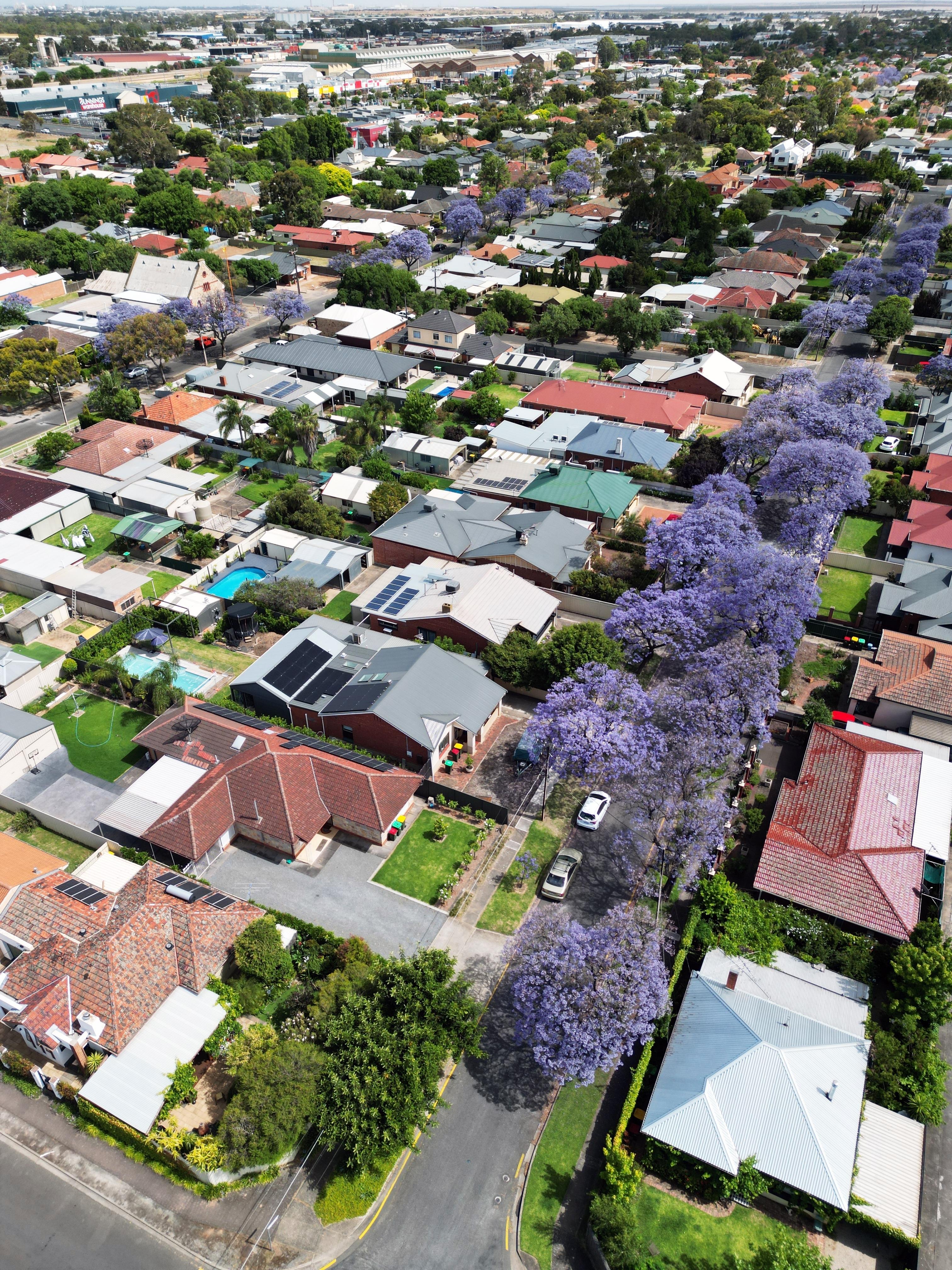
Community-led home energy efficiency program launched in 2011 by St Vincent de Paul Society Canberra/Goulburn. Supports low-income households across the ACT by delivering in-home energy advice and low-cost thermal upgrades with a focus on concession card holders, renters, and Indigenous and CALD households.
Involved in this program?
Let us know if anything on this page needs updating.
Contact
The Organisation
The Initiative
Householder
Renter
Low-income
Concession card holders
CALD communities
Indigenous communities
- Detached single
- Townhouse
- Apartment
- Public/Social Housing
Short overview:
The program is an ACT Government-funded, education-first program delivered by St Vincent de Paul Society Canberra/Goulburn since 2011 for low-income ACT households (NRAS income threshold or concession card holders). It provides in-home energy advice, low-cost thermal upgrades (draught-proofing and thermally efficient curtains, subject to annual budget), an energy-saving kit (heated throw, cooling towel, thermometer and guidance materials), and referrals to other relevant government programs.
Future intentions:
The program continues under a renewed four-year ACT Government tender with no planned expansion; scale and funding remain stable. Changes come through periodic government evaluation and incremental design refinement, such as the earlier shift from appliance replacement to thermal retrofits.
Resourcing & Delivery Model
Funding Sources
- Public state budget
- Approximately AUD $1.2 million per year (core program funding)
- Direct upgrade delivery
ACT Government provides approximately $1.2 million annual core funding under a multi-year contract; St Vincent de Paul delivers in-home assessments and low-cost thermal upgrades at no cost to eligible households.
Partner Roles & Collaboration
State government actors
Community organisations / NGOs
Community Participation Modes
Dissemination of information & education
Consultation (post-visit and six-month satisfaction surveys)
Joint implementation (in-home advice and minor upgrades delivered with household present)
ACT Government funds and evaluates under a contractual arrangement; St Vincent de Paul delivers all in-home services. Housing ACT managers inform eligible tenants and refer them in, and community organisations also refer households.
Actions & Upgrades
- None currently offered
- Home energy assessments
- Online information
- Individual advice / consultation
- Support accessing other programs
- Tailored support for vulnerable households
Outcomes & Impact
Household Comfort
Social Benefits
Capacity Building
Key Insights
Lessons Learned
- Housing quality limits program effectiveness more than program design.
- Thermal retrofits (curtains, draught-proofing) outperform appliance replacement: appliances generated warranty, breakdown and servicing demands, while curtains and draught-proofing involve fewer complaints, lower maintenance and more durable impact.
- Program timing influences perceived value: participants respond more positively to items such as heated throws when delivered in winter rather than summer.
- Funding is insufficient relative to need: only about one-third of visited households (approximately 250 of 700) can receive curtains annually due to budget constraints, indicating a structural funding gap.
Barriers
- Funding limitations: core funding (~$1.2 million annually) restricts delivery scale, with only about one-third of visited households able to receive curtains.
- Public housing quality constraints: many Housing ACT properties are not thermally suited to ACT's cold climate, limiting the impact of minor upgrades.
- Inter-departmental coordination gaps: misalignment between energy/environment departments and Housing ACT creates expectation mismatches about what the program can deliver.
- Language access limitations: no dedicated interpreter funding, with staff relying on informal bilingual support and partner organisations.
- Trust and communication barriers: scam concerns reduce willingness to answer calls, so the program relies heavily on text messaging for initial contact.
- Few younger households take part, although they are eligible.
Enablers
- Referrals through Housing ACT: housing managers tell tenants about the program when handing over keys, which gives a steady flow of referrals.
- Large concentrated eligible population: ACT's public housing portfolio of approximately 28,000–30,000 properties supplies a clearly defined target group.
- Structured government evaluation cycle: the program is evaluated every three years, enabling evidence-based continuation and adjustment.
- Mandatory post-visit satisfaction surveys (3–4 weeks and 6 months) consistently report 80–90% satisfaction and, combined with monthly internal feedback reporting, drive staff training and continuous service refinement.
Local Solutions
- Scale of public housing in the ACT: most eligible households are public housing tenants, so the program is focused on public housing.
- Income threshold alignment with NRAS: linking eligibility to NRAS income thresholds and concession card status creates a clearly defined target group and simplifies administrative screening.
- ACT's extreme climate: very cold winters and hot summers make thermal upgrades such as curtains and draught-proofing particularly important, driving household demand for comfort-related interventions.
Knowledge Sharing
- Operates within a structured government evaluation framework, with backend carbon and performance data held by ACT Government.
- Formal evaluation occurs every three years before re-tendering, supported by detailed operational data from St Vincent de Paul Society.
- Feedback collected at 3–4 weeks and 6 months post-visit is reviewed internally and by government, informing iterative adjustments such as the shift from appliance provision to thermal retrofits.
- Knowledge exchange also occurs through sector forums such as the Energy Efficiency Council, which named the program team its 2025 Inclusion Champion.
Needs & Support Requirements
- Increased funding for thermal upgrades: current funding limits annual curtain and thermal upgrade provision, and additional funding would enable broader coverage and deeper retrofit interventions.
- Improved cross-departmental coordination: clearer alignment between energy/environment departments and Housing ACT would reduce expectation mismatches and could enable additional co-funding mechanisms.
- Clearer expectation management: better communication materials and clearer messaging about program limits would reduce confusion among participants referred by housing managers.
- Dedicated funding for interpreter services: a formal budget allocation for language translation would improve accessibility and reduce reliance on informal arrangements.
- Structural housing improvements beyond minor retrofits: long-term impact depends on broader upgrades to public housing building standards, with state-level improvements significantly enhancing program effectiveness..
Data Collection & Sources
Data was collected over the period December 2025 – June 2026. Data collection involved desktop research and an interview with a program representative. All data was validated by a program representative.
Information sources used:
- https://www.vinnies.org.au/act-surrounds/find-help/education-programs-act-surrounds/home-energy-efficiency-programs-act-surrounds (Vinnies ACT – HEEP Program Page)
- https://cms.vinnies.org.au/media/djupnmjy/home-energy-efficiency-program-brochure-2023.pdf (HEEP Brochure (2023))
- https://www.energy.gov.au/rebates/home-energy-and-water-efficiency-assistance (Energy.gov.au – HEEP Listing)
- https://www.vinnies.org.au/media/s5kd0nji/equitable-transition-final.pdf (Integrated Energy Plan Submission (ACT))
- https://cms.vinnies.org.au/media/wpbbymu5/svdpcg-cg-2024-act-budget-submission-feb-2024.pdf?path=wpbbymu5%2Fsvdpcg-cg-2024-act-budget-submission-feb-2024.pdf (2024 ACT Budget Submission – Vinnies Canberra/Goulburn)
- https://snapforms.com.au/customers/st-vincent-de-paul-society/ (Snapforms Case Study)
- https://www.eec.org.au/events/awards/2025-award-winners (Energy Efficiency Council Awards 2025)
- Interview with program representative (conducted on 17/2/2026)