Umina Community Group
Community Smart Energy Initiative
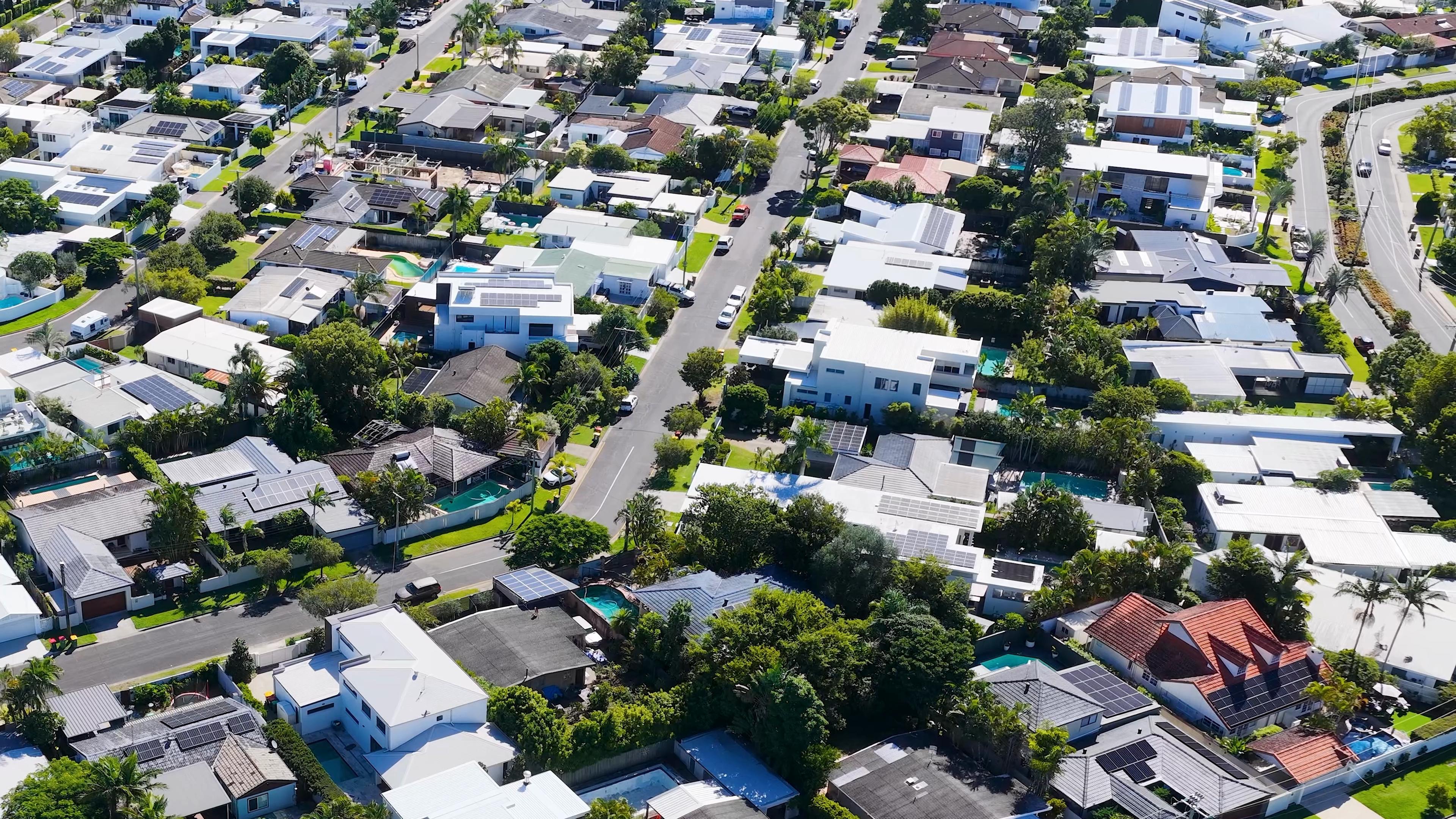
Community-led local home energy education initiative launched in 2024 by Umina Community Group. Supports households and renters across the Central Coast by running free public energy talks and a market stall that share practical advice and government rebate information, helping the community take a first step toward home energy action.
Involved in this program?
Let us know if anything on this page needs updating.
Contact
Name
Sean Richardson
The Organisation
The Initiative
- Householder
- Renter
- Business
- Detached single
- Townhouse
- Apartment
Short overview:
The Community Smart Energy Initiative was a 2024 community-led energy education initiative by Umina Community Group, comprising two Smart Energy Talks (February and April 2024) and an Energy Efficiency Stall at Umina Markets (21 July 2024). It provided practical information on home energy efficiency, solar, batteries, hot water systems and government rebates, to build community awareness and confidence to act. The project was supported by a Central Coast Council community grant.
Future intentions:
Following the completion of the 2024 project, Umina Community Group has no Community Smart Energy activity scheduled for 2026. The group is considering opportunities to work with other local community groups during 2026, which could lead to a further activity in 2027. No project scope, funding arrangement or delivery format has been confirmed.
Resourcing & Delivery Model
Funding Sources
- Public local authority budget
- Volunteering (program coordination, event delivery and organisation undertaken by volunteers)
- Other( Cash co-funding from Umina Community Group for the remaining project costs)
- AUD $3,000 (council grant and community co-funding)
- Information and self-help
The initiative was volunteer-delivered and funded by Umina Community Group with a Central Coast Council grant. It provided free public energy talks and a market stall offering practical information, tools and rebate summaries. It did not deliver physical upgrades or financial incentives.
Partner Roles & Collaboration
- Local Government Actors
- Community organisations
- Manufacturers
- Suppliers / Installers
- Energy Assessors
Community Participation Modes
- Dissemination of information & education
- Consultation (talks, interactive discussions, online survey)
- Other (informal engagement via market stall model)
Umina Community Group led and coordinated the initiative. Patonga Progress Association, Peninsula Environment Group and Van Holland Energy Assessors contributed specialist knowledge, presentations, tools and practical energy-efficiency information. Electrify Bouddi, Dux Hot Water and SEA Solutions contributed additional technical information and market-stall engagement. Central Coast Council provided grant funding.
Actions & Upgrades
- Workshops (past)*
- Online information
- Support accessing other programs (past)
*Two Smart Energy Talks delivered in February and April 2024; the separate Energy Efficiency Stall at Umina Markets on 21 July 2024 is recorded as a market stall, not a workshop.
Outcomes & Impact
Key Insights
Lessons Learned
- Expert speakers with different areas of expertise added credibility and depth, letting participants ask detailed questions and receive practical, experience-based advice; this format was highly valued and worth repeating.
- Although there is strong interest in solar, batteries and energy trading, many people find the information complex and the upfront costs prohibitive; the events helped people understand the options, build confidence, and refocus attention on simple, low-cost efficiency measures that feel more achievable.
- Engagement formats must suit people's time constraints, since evening talks did not suit those with family or work commitments; market stalls and existing community events offer more accessible options.
- Programs are resource-intensive and risk volunteer burnout, as limited capacity in a small core group restricted how many events could be delivered and influenced the decision not to run in 2025–2026.
- More targeted communication, such as working through trusted intermediaries like real estate agents, may improve reach where broad promotion fell short.
Barriers
- Limited volunteer capacity and time, with a small group of organisers facing competing commitments, made it difficult to sustain or expand activities.
- Many residents were time-poor or lacked the mental bandwidth to engage with energy topics, even when interested, because of other personal and work pressures.
Enablers
- Financial support from a Central Coast Council grant was essential to cover event costs; without it the program would not have proceeded.
- Local experts volunteered their time to deliver talks and in-depth advice, making the educational component possible.
- Volunteer commitment within the Umina Community Group, whose members organised, coordinated and ran the events, was critical to implementation.
Local Solutions
- With little local experience of running energy programs, the group kept the initiative simple and education-focused.
- Discussions with other community groups and councils, including more mature initiatives across the state, reinforced that accessible, easy-to-understand information was the most effective starting point, shaping the decision to prioritise education and confidence-building.
- Shared documentation, ideas and materials from other initiatives helped shape the program's structure and content and reduced development time.
Knowledge Sharing
- Knowledge sharing was informal and collaborative. During development, the organisers researched similar local initiatives and exchanged information and materials with other community groups to inform the design. The group participated as part of a loose collective of six community organisations in the House Electrification Accelerator Program, working through workshops together and sharing learnings, and maintained these relationships after the 2024 initiative. It is now contributing to another energy program led by another community.
Needs & Support Requirements
- Funding was needed to cover operational costs such as venue hire and printed materials, since speakers and organisers volunteered their time but events still incurred expenses.
- Support was needed to consolidate complex energy information into clear, practical handouts and promotional materials (flyers, information sheets) that communicate key messages.
- Lasting, practical guidance was needed that stays useful over time, helping participants make informed decisions later, for example when replacing appliances, rather than information that quickly becomes outdated.
Data Collection & Sources
Data was collected over the period December 2025 – June 2026. Data collection involved desktop research and an interview with a program representative. All data was validated by a program representative.
Information sources used:
- https://www.uminacommunitygroup.com.au (Umina Community Group – Official Website)
- https://www.electrifybouddi.org/events/umina-community-smart-energy-talk/ (Electrify Bouddi – Umina Smart Energy Talk Listing)
- https://coastcommunitynews.com.au/central-coast/news/2024/02/tips-on-being-energy-efficient/ (Coast Community News – “Tips on Being Energy Efficient” (Feb 2024))
- https://coastcommunitynews.com.au/central-coast/news/2024/04/smart-energy-talk-at-umina/ (Coast Community News – “Smart Energy Talk at Umina” (Apr 2024))
- https://www.facebook.com/UminaCommunityGroup (Umina Community Group – Facebook)
- https://centralcoast.infocouncil.biz/RedirectToDoc.aspx?URL=Open%2F2024%2F01%2FOC_23012024_MIN_AT.PDF (Central Coast Council – Ordinary Council meeting minutes, 23 January 2024)
Interview with program representative (conducted on 10/2/2026) and validation done on 17/2/2026