WinZero
Virtual Energy Network
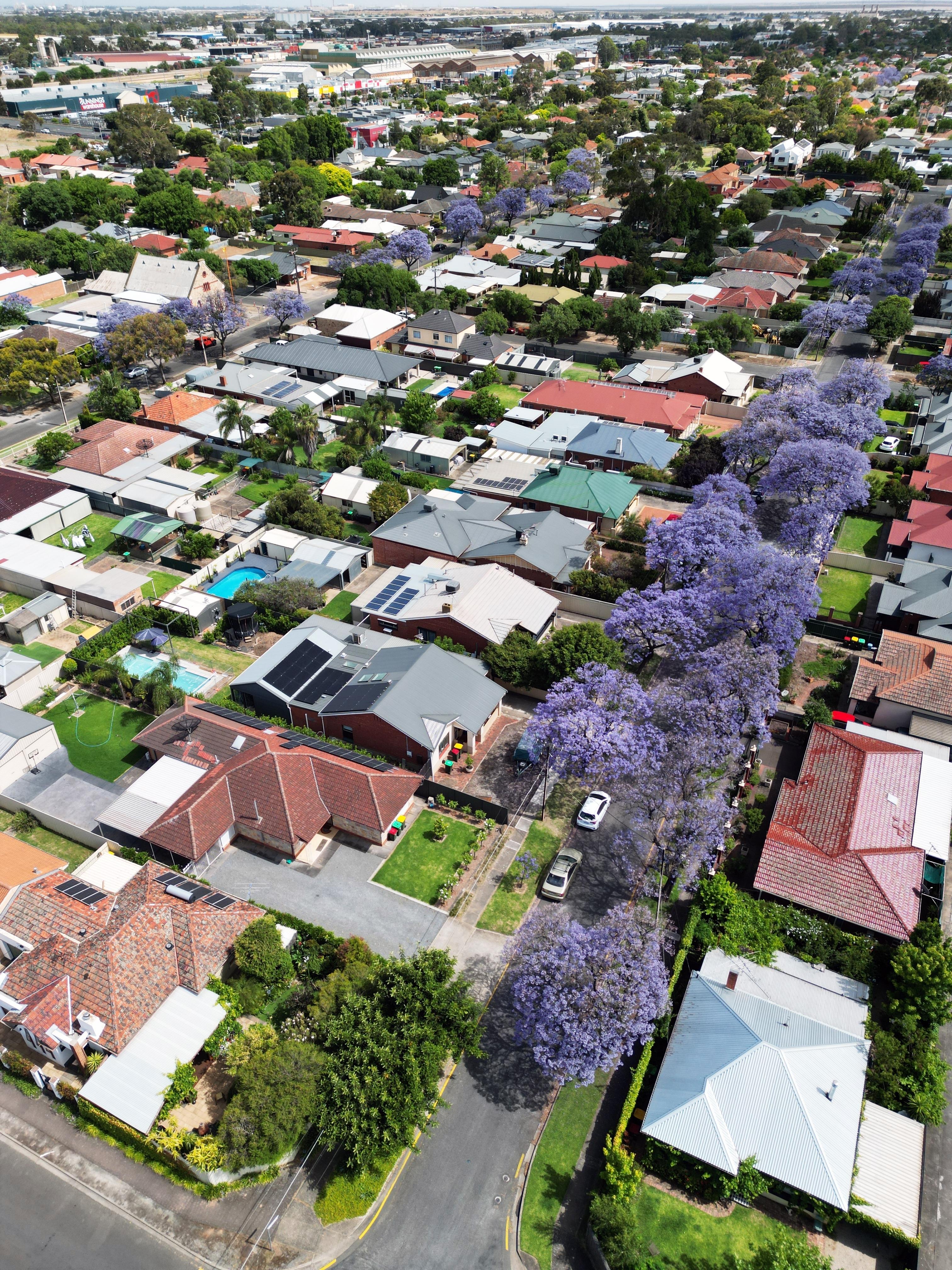
Community-led energy-sharing initiative launched in 2024 by WinZero (Wingecarribee Net Zero Emissions Inc.). Supports households, renters and businesses in New South Wales by helping those with rooftop solar share excess electricity through a peer-to-peer trading platform, backed by community education and ongoing support.
Involved in this program?
Let us know if anything on this page needs updating.
Contact
Name
Chris McGuigan, PK Saxena
The Organisation
The Initiative
- Householder
- Business
- Renter
- Detached single
- Townhouse
- Apartment
- Other (Commercial sites)
- Public/social housing
Short overview:
The Virtual Energy Network (VEN) is a community-led initiative coordinated by WinZero that lets households and businesses share excess rooftop solar within a local network, using smart meters, the Enosi Powertracer platform and retailer Energy Locals. Participants trade surplus solar with other members, increasing local renewable electricity use and reducing grid reliance. VEN also provides community education and energy literacy support, helping residents and businesses understand and manage their energy use.
Future intentions:
WinZero plans to expand the Virtual Energy Network by increasing participation and helping other communities adopt similar approaches. It aims to integrate its existing network of around 40–50 households and businesses with the roughly 300 participants in the Deakin University Virtual Energy Network study, maintaining and growing a larger community energy-sharing network. WinZero is also pursuing a “train-the-trainer” approach, sharing its implementation experience with other community organisations, and has applied for New South Wales Government funding to support training and capacity building. It continues to collaborate with other community energy and climate action organisations to exchange knowledge and encourage wider adoption.
Resourcing & Delivery Model
Funding Sources
- Volunteering
- Public local authority budget (small occasional local council grants)
- Referral fees
- None (initiative operates primarily through volunteer effort with no formal program budget)
- Information and self-help
The Virtual Energy Network is a peer-to-peer energy-sharing network where households and businesses with rooftop solar share excess electricity via the Enosi Powertracer platform, with Energy Locals as the participating retailer. Participation requires a smart meter and switching to that retailer. WinZero provides community engagement, education and ongoing support so participants understand their energy use and benefit from the system.
Partner Roles & Collaboration
- Community organisations
- NGOs
- Utilities
- Research institutes
- Other service providers
Community Participation Modes
- Dissemination of information & education
- Consultation
- Joint implementation
WinZero Inc leads the initiative, coordinating participants, providing education and support, and running the community energy-sharing network. Energy Locals is the participating electricity retailer, enabling the trading arrangement and its integration with the Enosi Powertracer platform for peer-to-peer sharing. Enosi provides the Powertracer digital platform that lets participants track and trade excess solar electricity within the network. Deakin University is a research partner supporting the wider Virtual Energy Network study and integration with a larger group of participants. Quantum NRG and Rethink Sustainability provide pro-bono technical support and expertise.
Actions & Upgrades
- Equipment loaning
- Online information
- Individual advice / consultation
- Tailored support for vulnerable households
Outcomes & Impact
Energy Bill Cost Savings (annual)
- Participants can buy surplus solar from other members for less than retail prices, and sellers can receive more than the standard feed-in tariff. Savings have not been measured.
Key Insights
Lessons Learned
- Community support and guidance are essential for adoption: access to the platform alone is not enough, and ongoing help builds participants' awareness of their usage patterns.
- Behaviour change, especially shifting consumption to daytime when shared solar is available, helps participants cut costs or earn trading credits, with load shifting a common outcome.
- Low energy literacy limits outcomes, as many households lack a basic understanding of electricity use, tariffs and kilowatt-hours, making it hard to assess potential savings.
- Energy information and pricing structures (retail tariffs, bill comparison statements, rebate details) are complex and confusing, so a trusted local organisation plays an important role in translating them and helping participants make practical decisions.
Barriers
- Participation requires a smart electricity meter, which is common in some states but not universal in others, limiting who can join.
- Participants must switch to the specific retailer, Energy Locals, and some interested households withdrew because they were reluctant to change retailers.
- Energy Locals charges a membership fee that appears on the bill, which some perceive as an added cost and which can discourage participation.
- Renters and social housing tenants face institutional barriers, as landlords, housing authorities or building managers control retailer choice and meter installation, and residents on embedded networks in apartment buildings are locked into a single provider.
- Busy households and businesses often express interest but do not prioritise participation because of competing commitments or limited time to learn the system.
- The complexity of energy terminology (kilowatt-hours, tariffs, trading) and frequently changing prices, feed-in tariffs and supply charges make the system hard to understand and savings hard to predict, while comparison tools and bills that ignore products like VEN can mislead consumers about its benefits.
Enablers
- Energy-sharing software lets households and businesses trade excess rooftop solar within the network.
- Buyers can obtain cheaper electricity, and sellers can earn more than by exporting to the grid.
- Local daytime businesses such as cafés and hospitality venues can use excess household solar generated while residents are away.
- Strong community motivation around climate action, and the sense of connection created between local producers and consumers, reinforce participation.
- Energy-literate participants and community champions analyse their use and share knowledge, helping build wider participation.
Local Solutions
- WinZero volunteers mentor households and businesses, helping them understand the energy-sharing system, review their usage patterns and adjust their behaviour to benefit from the network.
- A community Facebook group brings participants and interested residents together to ask questions, offer trades, share experiences and learn how to take part.
- Participants are encouraged to shift energy-intensive activities to daytime, for example using timers on air conditioning or pool pumps, to align demand with shared rooftop solar.
- The initiative engages cafés and other daytime businesses to use excess household solar generated while residents are away.
Knowledge Sharing
- WinZero exchanges knowledge and experience with community energy and climate action groups across Australia, including Renew Illawarra, Electrify Illawarra, Flinders Zero Carbon Community, Bermagui Renewables and Cowan Renewables, through informal sharing of ideas, experiences and lessons on community-led energy solutions. It also works with Deakin University through the Virtual Energy Network study, which has brought additional participants and research insights that help develop and improve the network.
Needs & Support Requirements
- More stable funding is needed to expand participation, sustain participant support, and provide capacity building and resources that help other community organisations replicate WinZero's model.
- Energy rebate and government support schemes are hard to understand and navigate, even for organisers; simpler, clearer information would help households, especially those with low energy literacy or limited English.
- Trusted, location-specific “one-stop-shop” information sources are needed to give households reliable guidance on installers, equipment, financing and energy solutions.
- Stronger quality assurance, oversight and approval processes would steer households toward high-quality technologies and reputable installers, particularly where government rebates are involved.
- Broader public understanding of energy systems and tariffs, alongside policy and regulatory support, would help more people benefit, including renters, social housing residents and those on embedded electricity networks currently facing institutional barriers.
Data Collection & Sources
Data was collected over the period December 2025 – June 2026. Data collection involved desktop research and an interview with a program representative. All data was validated by a program representative.
Information sources used:
- https://winzero.com.au/ven-virtual-energy-network/ (WinZero Virtual Energy Network pilot)
- https://www.abc.net.au/news/2025-06-06/no-solar-no-problem-trial-aims-to-overcome-energy-gulf/105377506 (ABC News: Virtual energy trading pilot in Wingecarribee)
- https://www.wsc.nsw.gov.au/Places/MyShire/MyShire-Clubs-and-Groups-Directory/WinZero-Wingecarribee-Net-Zero-Emissions (Wingecarribee Shire Council – Clubs and groups directory: WinZero)
- Interview with program representative (conducted on 5/3/2026) and validation done on 30/3/2026